


The Lloyds Ultra Credit Card has quickly become one of the most talked‑about travel‑friendly cards in the UK, largely because it combines fee‑free overseas spending with ongoing cashback and no monthly account fee. Before you rush to apply for a card that promises “no hassle, just rewards,” it is worth looking carefully at how it really performs on the road, how it compares to rival travel cards, and which type of traveller it suits best.
Get the latest updates straight to your inbox!
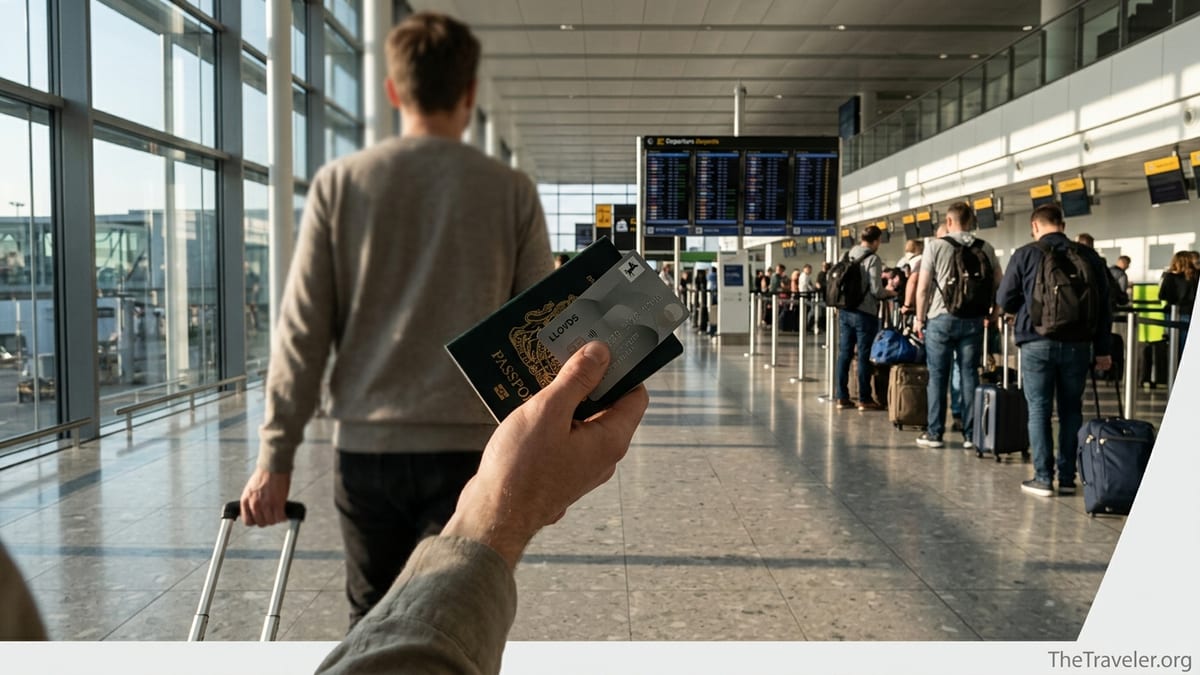
What the Lloyds Ultra Travel Card Actually Is
Lloyds Ultra is a mainstream cashback credit card that also works as a specialist travel card. Launched in October 2025, it sits in Lloyds Bank’s flagship range and has already been highlighted by independent comparison sites as a strong all‑round option for spending both in the UK and abroad. Unlike premium travel cards with chunky monthly fees, Ultra is designed to be simple: no account fee, a low representative purchase rate of around 12.9% APR variable, and a clear cashback structure on your everyday spending.
For travellers, the standout point is that Lloyds does not add its own foreign exchange fee on card purchases made overseas or on foreign‑currency websites. In practice that means if you tap the card for a 50 euro restaurant bill in Lisbon, the transaction should be converted at the Visa rate without the typical 2.75% to 3% mark‑up that many UK cards still charge. Over a two‑week trip with a few hotel bills, meals and train tickets, those savings can easily reach tens of pounds.
At the same time, it remains a straightforward cashback card at home. You earn at a higher introductory rate in your first year of holding the card, then a lower but ongoing rate afterwards. Cashback is paid as a single annual credit on your January statement, so it behaves more like an end‑of‑year rebate than instant rewards. That can be attractive if you like to see a noticeable lump sum once a year, but less so if you prefer frequent, smaller credits.
Importantly, Ultra is not a luxury “travel lifestyle” card. There is no included travel insurance, no airport lounge membership and no hotel status perks bundled in. It aims to win on low fees and simple rewards rather than on elite travel extras, which is why it is often compared with other zero‑FX, no‑fee cards rather than with premium World Elite or metal cards that target heavy‑spending frequent flyers.
Core Features, Fees and Rewards in Plain English
Ultra’s main selling point is its cashback structure. For the first 12 months after your account is opened, you earn 1% cashback on eligible card purchases, with no official cap mentioned in public summaries. Once you pass the 12‑month mark, the rate drops to around 0.25% on new spending, still with no clear upper limit. To put that into context, spending £1,500 a month during your first year would generate roughly £180 of cashback, paid as a single credit the following January. In later years, the same spending level would earn closer to £45 annually.
The card charges no monthly or annual account fee, which keeps the cost structure simple. The representative purchase APR sits at about 12.9% variable, which is lower than many reward cards on the market. That is helpful if you occasionally carry a small balance, but it should not be taken as a licence to revolve debt. Interest on purchases is charged from the transaction date if you do not clear your full statement balance by the due date, and interest on cash withdrawals typically starts immediately.
Two travel‑relevant fee decisions stand out. First, there is a 0% foreign transaction fee on purchases, whether you are paying in euros in Spain, dollars in New York, or booking a hotel in Thai baht on an overseas website. Second, Lloyds does not add its own cash withdrawal fee on ATM withdrawals in the UK or abroad, although local ATM operators can still charge their own fees and you will pay interest from the day you take out the cash if you do not repay it quickly.
Finally, you can usually request additional cardholders, often up to three, on the same account. Their spending earns cashback for the main account holder and shares the same credit limit. For example, a couple planning a three‑week road trip across the United States could each carry a card, use it for motels and petrol, and pool their spending toward one annual cashback pot, making it easier to hit meaningful cashback amounts.
How the Card Performs on Real Trips
To understand whether Lloyds Ultra is a smart choice, it helps to put real numbers around a typical holiday. Imagine a one‑week city break in Barcelona for two people. You book a £600 hotel via a Spanish booking site, spend around 450 euros on meals, 120 euros on museum tickets, and 80 euros on public transport and taxis. At recent rates, that might total roughly £1,350 in sterling. With a card that charges a 2.95% foreign transaction fee, you would quietly pay close to £40 in extra charges. Using Ultra, those fees are not added, and you would also earn about £13.50 in cashback during your first year, or around £3.40 in later years.
On a longer multi‑stop trip, the gap widens. Consider a three‑week journey through Southeast Asia where you put £3,000 of hotels, internal flights and restaurant bills on the card. With a standard non‑specialist credit card, you might pay £90 or more in FX fees alone, effectively adding several nights’ worth of guesthouse bills to your costs. With Ultra, those FX fees are removed, and you also pick up about £30 of cashback in year one or £7.50 thereafter. For a budget‑conscious backpacker or a family trying to keep costs predictable, that can be the difference between staying on budget and returning home to an unpleasant surprise.
The fee‑free cash withdrawal feature can also be handy in countries where card acceptance is patchy. If you are in a small Croatian island village where only cash is accepted, using Ultra at a local ATM means you avoid a separate Lloyds withdrawal fee. However, interest starts accruing straight away on cash advances, so using the card like a debit card is not wise. A more disciplined approach would be to withdraw a modest amount, then immediately pay down the cash balance through the Lloyds app as soon as you have Wi‑Fi, reducing the interest you pay to a negligible level.
One caveat is that cashback is only credited once a year, usually in January. If you use the card heavily on a summer trip to Japan, for instance, you will not see those rewards until months later. That delay may not suit travellers who prefer cards that convert rewards instantly into statement credit or airline miles, but it keeps accounting straightforward and means your year’s worth of travel and domestic spending can accumulate into a noticeable lump sum.
Where Lloyds Ultra Shines and Where It Falls Short
Ultra’s strengths line up neatly with the way many people travel. If you mostly want to avoid foreign exchange mark‑ups, pay no annual fee, and earn a bit of cashback on every tap, it does the job effectively. For example, someone who makes a couple of overseas trips per year, spends £800 to £1,000 a month on the card at home, and pays off the balance in full is likely to come out meaningfully ahead versus a standard high‑street credit card that charges nearly 3% on foreign transactions and offers little or no rewards.
However, Ultra does not try to compete with premium travel cards that bundle lounge access, wide‑ranging travel insurance and hotel perks. If you spend a lot of time in airports and value lounge visits, you may find better value in a dedicated travel card that charges a monthly fee but offers several complimentary lounge entries per year, priority security on some airlines, and strong insurance coverage. Those products can easily save a frequent business traveller the cost of their fee through a combination of food, workspace and protection benefits that Ultra simply does not provide.
Another limitation is the long‑term cashback rate. After the first year, 0.25% is modest by comparison with some niche rewards cards, particularly those that focus on supermarket or fuel spending. If your travel is fairly limited but your grocery spend is high, a card that pays 1% or more at major supermarket chains, even with foreign transaction fees, might produce more overall value, especially if you rarely go abroad. For this reason, many UK card users pair Ultra with another domestic rewards card and choose which to use based on whether they are in the UK or overseas.
It is also worth noting that cashback only accumulates on eligible purchases. Cash withdrawals, balance transfers, money transfers and certain types of quasi‑cash transactions generally do not earn rewards. If you plan to use the card heavily for ATM withdrawals or transfers, its headline cashback rate will not apply to much of your activity, so you would be better viewing Ultra primarily as a spending card for purchases, particularly while travelling.
Comparing Ultra With Other Popular Travel Cards
In the UK travel‑card space, several names appear repeatedly: dedicated zero‑FX cards from high‑street banks, specialist products from digital players, and premium cards that bundle insurance and lounge access. Independent money‑saving sites often place Lloyds Ultra alongside cards such as Barclaycard Rewards, Chase’s UK debit card, and various travel debit options that also offer fee‑free overseas spending. Each has its own mix of foreign fees, cashback, and account charges.
For example, a popular competitor card offers 0% foreign transaction fees and a flat 0.25% cashback rate, but with no higher introductory period. That makes it slightly less generous than Ultra during your first year if you spend heavily, but similar in the long run. On the other hand, some travel cards from other banks deliver higher cashback or airline miles, but they either charge an annual fee or impose stricter eligibility criteria, focusing on higher‑income customers or those able to commit to large monthly spends.
Digital‑only providers and app‑based cards also compete strongly in this space. Several offer free plans with interbank exchange rates and low or zero ATM mark‑ups up to certain monthly limits, sometimes beating traditional banks on FX rates by small margins. However, those products often function as prepaid or debit cards rather than credit cards, so they do not help build your credit history in the same way Ultra can. A traveller might, for example, use Ultra for hotels and online bookings that require a credit line, while keeping a zero‑FX app‑based debit card in their wallet for day‑to‑day ATM withdrawals.
When you compare Ultra to premium paid cards, the calculation is different. A typical premium World Elite product may cost around £15 per month but include comprehensive worldwide travel insurance, rental‑car collision waiver, and a bundle of airport lounge visits each year. For a couple flying six or seven times annually, those extras can be worth more than the Ultra cashback and FX savings combined. For a traveller who flies once or twice a year on low‑cost carriers, however, paying a monthly fee for unused perks would be poor value, and Ultra’s no‑fee structure would likely win.
Eligibility, Credit Limits and Application Pitfalls
As with any mainstream credit card, Lloyds uses standard affordability and credit‑risk checks when you apply for Ultra. Public guidance suggests you are more likely to be accepted if you have a stable income, a history of meeting credit commitments on time, and are not heavily over‑extended on existing borrowing. As Ultra is part of Lloyds’ core range, existing Lloyds current account customers may find the process smoother, but there is no public guarantee of preferential acceptance.
Before submitting a full application, it makes sense to use any eligibility checker that Lloyds or major comparison sites provide. These tools typically run a soft search that does not affect your credit score but can show your chances of acceptance as a percentage band. For instance, if a checker indicates you are only 10% to 20% likely to be approved, you may decide to improve your credit profile first rather than risk a declined application and a hard search on your file.
If your application is successful, your starting credit limit will reflect your income, expenditure and existing commitments. Travellers planning big trips should think ahead: if you want to prepay a £2,500 villa stay in Greece and another £1,000 in flights, a modest £1,200 limit could feel tight. In that case, you might space out bookings, part‑pay with another card, or, once you have built a track record of on‑time repayments with Ultra, request a review of your limit. Lenders often reassess limits after several months of responsible use.
One practical pitfall is applying too close to departure. Postal delivery times, activation steps and the need to set up your PIN and digital wallet mean you should not leave your application until a few days before your flight. A safer approach is to apply at least three to four weeks before an international trip. That allows time for the card to arrive, for you to test it with a couple of domestic purchases, and to set up the mobile app and direct debit to pay at least the statement minimum, preferably the full balance each month.
Using Ultra Wisely Before, During and After a Trip
To get the most from Ultra, think of it as both a travel tool and an everyday spending card. In the months before a big trip, you can use it for routine expenses such as supermarket shops, fuel and online subscriptions. That not only builds up cashback but also helps strengthen your internal track record with Lloyds. For example, putting £600 of regular monthly spend through the card and paying it off in full by direct debit demonstrates responsible use, which can help when you later ask for a higher limit or an additional cardholder.
On the road, Ultra works best when you lean into its strengths: card purchases in foreign currencies. Tap it for hotel bills, restaurant meals, intercity trains and museum tickets, and decline “dynamic currency conversion” when terminals abroad offer to bill you in pounds instead of local currency. If a Paris restaurant’s terminal suggests charging you 120 pounds rather than 140 euros, choosing euros lets Visa’s rate apply without the restaurant’s mark‑up, combining with Ultra’s lack of FX fees to keep your costs down.
At ATMs, use restraint. While Lloyds does not add a withdrawal fee, foreign cash advances typically start accruing interest at once. Treat the feature as an emergency backup. If your normal debit card fails at a cash machine in Bangkok and you have no local currency, withdrawing the equivalent of £100 on Ultra and then paying it off through the app the same day is a reasonable trade‑off. Repeatedly using it as your main way of getting cash, however, may erase much of the value you gained from avoided FX fees and cashback.
After your trip, review your statement carefully. Check that foreign card purchases were correctly converted and that any local ATM fees match what was shown on screen abroad. It is also a good moment to decide whether to keep focusing your everyday spend on Ultra to build further cashback for the following January or to shift some of your domestic purchases to other cards that may offer higher rewards in categories like supermarkets or fuel.
The Takeaway
The Lloyds Ultra Credit Card offers a rare combination that is particularly attractive to travellers: no foreign transaction fees on purchases, no monthly account fee, low ongoing interest rates compared with many rivals, and simple cashback on virtually all your day‑to‑day spending. Used well, it can quietly save you tens or even hundreds of pounds each year in avoided FX mark‑ups while giving you an annual cashback credit that reflects both your holiday and domestic expenses.
It is not the right choice for everyone. Travellers who want airport lounges, bundled travel insurance or rich airline‑mile earnings may find better value in premium paid cards. People who seldom travel but spend heavily in niche categories might squeeze more rewards from specialist supermarket or fuel cards. And anyone who carries significant credit card debt month to month will likely benefit more from focusing on low‑rate or 0% balance transfer products than on chasing cashback.
For many UK‑based travellers, though, Ultra hits a sweet spot: easy to understand, widely accepted, and genuinely competitive overseas. If you pay in full each month, avoid relying on cash withdrawals, and plan your application a few weeks before you travel, Lloyds Ultra can become a reliable workhorse in your wallet rather than a flashy, fee‑laden accessory. As with any credit product, the smartest buyers are those who read the small print, run the numbers for their own style of travel, and only apply once they are confident the card’s strengths match their real‑world plans.
FAQ
Q1. Is the Lloyds Ultra Credit Card really fee‑free for foreign spending?
Yes, Lloyds Ultra does not add its own foreign currency transaction fee on card purchases made abroad or on overseas websites, though local merchants and ATM operators can still charge their own fees.
Q2. How much cashback can I realistically earn while travelling?
In your first year at 1% cashback, spending £2,000 on hotels, restaurants and transport during a long trip would usually generate about £20 of cashback, which is then credited to your account in January.
Q3. Do ATM withdrawals abroad earn cashback with Ultra?
No, cash withdrawals generally do not earn cashback and they typically start accruing interest immediately, even though Lloyds does not add its own cash withdrawal fee.
Q4. Does Lloyds Ultra come with travel insurance or airport lounge access?
No, Ultra is focused on low fees and cashback. It does not include complimentary travel insurance, airport lounges or other premium travel perks that some paid cards offer.
Q5. Will using Ultra help my credit score if I travel frequently?
Using Ultra responsibly, keeping within your limit and paying on time can contribute positively to your credit history, whether purchases are made in the UK or overseas.
Q6. Is Ultra better than app‑based travel debit cards for foreign trips?
Ultra can be better for hotel deposits, car hire and building credit, while app‑based debit cards may offer slightly sharper FX rates or ATM terms. Many travellers choose to carry both.
Q7. What happens to my cashback if I close the card before January?
If you close the account before the annual payout date, you may forfeit any accrued cashback, so it is wise to check the latest terms and consider waiting until after your rewards are credited.
Q8. Can I add a partner or family member as an additional cardholder?
Yes, you can usually add additional cardholders, whose spending will also earn cashback for the main account holder, all under the same overall credit limit.
Q9. How far in advance should I apply before an overseas trip?
Applying three to four weeks before departure is sensible, giving time for approval, card delivery, activation and a few test purchases before you rely on it abroad.
Q10. Is Lloyds Ultra suitable as my only credit card?
For many people it can serve as a main card thanks to its low fees and cashback, but frequent travellers or heavy spenders may still want a second card for premium perks or higher rewards in specific categories.