


More news on this day
French rail group SNCF has passed the symbolic threshold of 3.5 million kilometres travelled using biodiesel on parts of its diesel fleet, a new milestone in the company’s wider push to cut emissions on lines that are not yet electrified.
Get the latest news straight to your inbox!
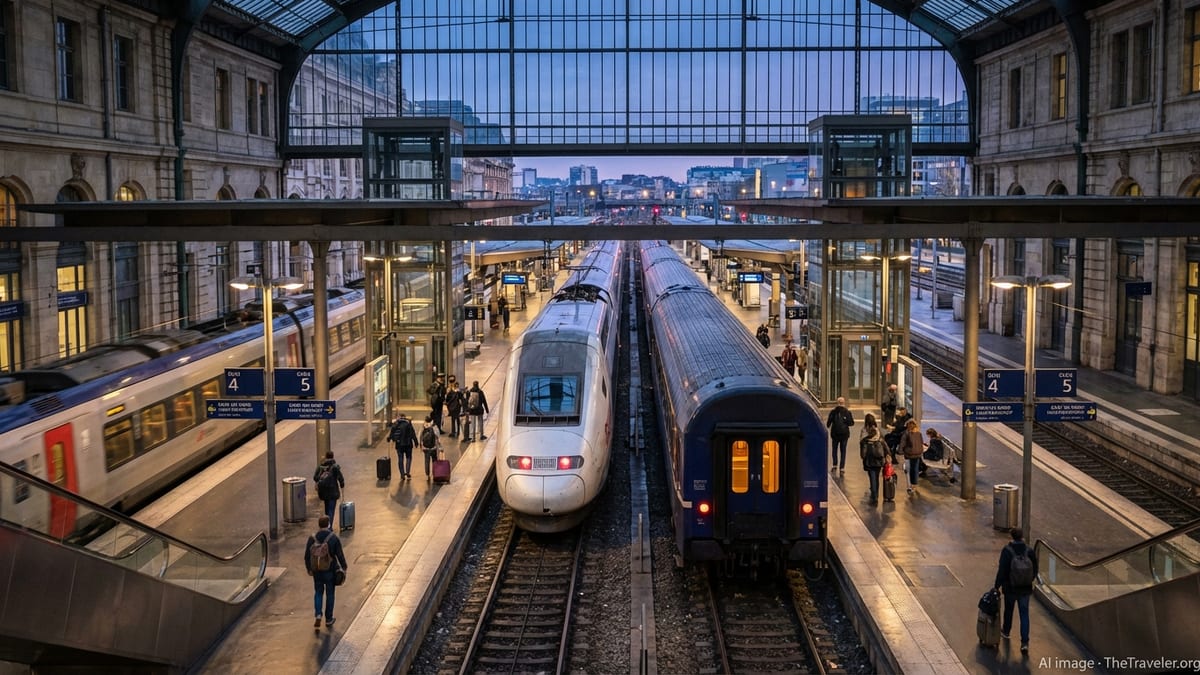
A new marker in rail decarbonisation
According to recent corporate reporting and sustainability documentation, SNCF has steadily expanded trials and early deployment of biodiesel blends on regional and freight services where overhead electrification is not available. The company has now accumulated more than 3.5 million kilometres of commercial operations powered by biodiesel, primarily high-percentage B100-type fuels derived from vegetable oils and waste-based feedstocks.
Publicly available information indicates that biodiesel is being used as a transitional solution alongside investments in electrification, battery trains and hydrogen projects. The 3.5 million kilometre marker underscores how quickly alternative fuels have moved from small-scale pilots to operations embedded in day-to-day service patterns on selected routes.
The milestone also reflects a broader European trend in which rail operators seek to limit the use of conventional diesel while avoiding the cost and disruption of immediate network-wide infrastructure upgrades. For SNCF, which operates thousands of kilometres of non-electrified lines, biodiesel is emerging as one of several tools to bridge that gap.
How biodiesel fits into SNCF’s climate strategy
SNCF’s latest sustainability disclosures show that the group is working with a portfolio of lower-carbon energy sources, including B100 biodiesel, hydrotreated vegetable oil, biogas and low-carbon electricity. Technical methodology documents describe specific emission factors applied to B100, which are significantly lower than those for standard off-road diesel, highlighting the anticipated reduction in lifecycle greenhouse gas emissions when biodiesel is used at high blends.
Within this framework, the kilometres accumulated on biodiesel are presented as part of a wider effort to reduce the group’s carbon intensity per unit of revenue and per passenger- or tonne-kilometre. While the majority of SNCF’s traffic already runs on electric traction, the company’s remaining diesel operations account for a disproportionate share of direct fuel emissions, making alternative fuels a high-impact lever.
Reports also indicate that SNCF is aligning its decarbonisation pathway with national and European climate objectives. By documenting the performance of biodiesel in regular service and quantifying associated emission factors, the group is building a reference base that can inform future investment choices between continued biofuel use, further electrification, hybrid traction and new rolling stock.
Operational lessons from 3.5 million kilometres
Covering more than 3.5 million kilometres on biodiesel has provided SNCF with substantial operational data, from fuel consumption and engine performance to maintenance patterns in depots. Publicly available material suggests that these kilometres have been logged mainly on regional passenger trains and freight locomotives, where flexibility and range requirements still favour liquid fuels.
Initial trials focused on ensuring compatibility between high-biodiesel blends and existing engines, fuel storage facilities and refuelling systems. As experience has grown, SNCF and its partners have been able to refine operating procedures, such as seasonal fuel management and monitoring of engine components subject to different wear profiles when running on biodiesel compared with traditional diesel.
The 3.5 million kilometre benchmark indicates that these adaptations are now sufficiently robust to support extended deployments. It also gives technical teams a benchmark data set on reliability and cost of ownership, which can be weighed against the capital expense of alternative solutions such as new bimode or battery-electric rolling stock on the same routes.
Regional freight and passenger routes at the forefront
Information published by SNCF highlights that non-electrified regional lines and freight yards have been early laboratories for biodiesel adoption. In several regions, the operator has introduced storage and distribution infrastructure dedicated to bio-based fuels, allowing local freight locomotives and work trains to operate with lower lifecycle emissions while serving industrial customers and logistics hubs.
These applications are particularly significant because freight services and auxiliary trains often run on legacy diesel equipment that is both energy intensive and difficult to decarbonise quickly. By shifting part of this traffic to biodiesel, SNCF can reduce emissions in areas where full electrification is either technically complex or economically challenging in the short term.
Regional passenger services have also played a role, especially on lines with moderate traffic where investment in catenary infrastructure competes with other priorities. In such cases, biodiesel allows operators to offer lower-carbon mobility to local communities without changing timetables or vehicle types, while leaving open the option of electrification or alternative traction in the future.
Balancing benefits and future options
Analysts note that biodiesel is not a complete answer to rail decarbonisation, since its benefits depend on feedstock sustainability, supply chain robustness and competition with other sectors for limited bio-based resources. Public reports on SNCF’s climate roadmap recognise this context and present biodiesel as part of a diversified mix rather than a single long-term solution.
The experience gained from 3.5 million kilometres on biodiesel strengthens SNCF’s ability to compare scenarios, from scaling up biofuel use on selected fleets to accelerating electrification or investing in new-generation rolling stock. As European and French regulations evolve, this operational track record is likely to inform both corporate strategy and policy discussions about the best use of sustainable fuels in transport.
For now, the newly passed kilometre threshold offers a tangible signal that the transition away from conventional diesel traction is under way on the French network. It shows how an incumbent rail operator can leverage existing assets and fuel infrastructure while testing the limits of what alternative fuels can deliver on real-world tracks.