


More news on this day
Police are searching for a suspected gunman after a New York City subway shooting disrupted weekday travel and renewed concern over safety on one of the world’s busiest transit systems.
Get the latest news straight to your inbox!
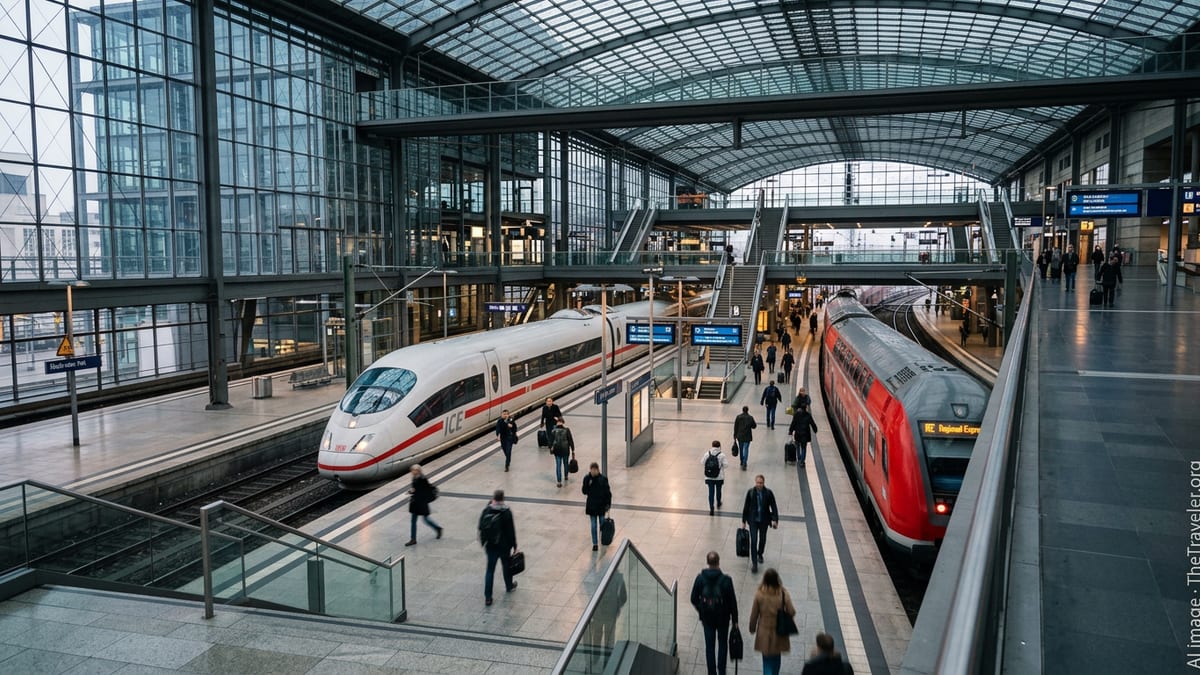
Ongoing search after shots fired on New York subway line
According to early published coverage, the shooting unfolded onboard a subway train during a routine weekday period, prompting a large response across multiple lines and stations as trains were briefly delayed or rerouted. Initial reports indicate that at least one rider suffered gunshot wounds before the assailant fled the scene, leaving investigators to reconstruct what happened from witness statements and security footage.
Publicly available information shows that officers and transit personnel quickly halted service in the immediate area while paramedics treated the injured. Riders were guided off trains and along platforms as announcements cited a “police investigation” and urged passengers to expect residual delays. For many, the incident revived memories of previous high profile subway attacks that have shaped perceptions of safety below ground.
As of the latest updates, the suspect remained at large, with investigators reviewing video from station cameras and train cars and asking the public to come forward with any information. Descriptions of the suspect have been shared across local media, but officials have not yet identified a clear motive. Reports describe a fast moving scene in which the gunman escaped in the confusion of crowded platforms.
While the number of people struck by gunfire appears limited, the shock to riders has been considerable, especially for those who regularly commute through the affected section of the system. Many travelers described abruptly changed routes, crowded transfer points, and an undercurrent of unease as they continued their journeys after service gradually resumed.
Impact on commuters and visitors navigating the city
The shooting has had an immediate effect on daily commuters as well as visitors who rely on the subway to move between hotels, attractions, and airports. New York’s subway typically carries millions of riders on a weekday, and even a short disruption on a key line can ripple across the entire network, slowing trips and overcrowding alternate routes.
For travelers, the incident adds a new layer of anxiety to an already complex system. Social media posts and local coverage describe tourists trying to interpret sudden rerouting notices, crowded platforms, and confusing announcements as they checked maps and mobile apps for alternatives. Some riders opted to surface and continue their trips on foot or by taxi and ride hailing services, further increasing above ground congestion.
Hotel concierges and visitor centers have reportedly fielded questions about whether it is safe to continue using the subway after the shooting. Public information campaigns in recent years have emphasized the overall rarity of such events amid the enormous volume of daily rides, yet highly publicized incidents tend to overshadow statistics, especially for infrequent visitors unfamiliar with the city’s rhythms.
Transit advocates note that, in practical terms, the biggest immediate impact for most riders was the disruption to service patterns and the sense of unpredictability during the investigation. Some lines experienced temporary suspensions, while others ran local instead of express or skipped certain stations, leading to longer travel times and missed connections for flights, trains, and intercity buses.
Heightened security posture across the transit network
In the aftermath of the shooting, publicly available information shows that New York’s transit system shifted into a more visible security posture. Riders reported seeing additional uniformed officers in stations, including heavily trafficked hubs that serve both commuters and long distance travelers, as well as more frequent bag checks at selected entrances.
These security surges are familiar to seasoned New Yorkers, who have seen similar responses following past subway attacks, station stabbings, and other high profile incidents. For visitors, however, the sudden appearance of heavily armed officers and tactical vehicles near station entrances can be jarring, especially when combined with ongoing news headlines about an at large suspect.
Transit officials have repeatedly highlighted investments in cameras and communication systems designed to accelerate investigations when violent incidents occur. Recent coverage of earlier attacks has pointed to extensive camera networks that can track the movement of suspects between stations and support later arrests, even when individuals initially escape immediate capture.
Security specialists quoted in prior analyses have also stressed the importance of rider awareness, urging passengers to move away from confrontations, avoid escalating disputes, and notify conductors or transit personnel if they witness threatening behavior. While such advice cannot prevent every incident, it reflects a broader effort to enlist riders themselves in maintaining a safer environment.
Context of recent violence on New York rails
The latest shooting arrives against a backdrop of several recent violent incidents in and around New York’s major rail hubs. Published reports over the past months have detailed knife attacks, platform shoving cases, and high profile stabbings in stations that serve both subway and intercity rail lines, drawing sustained public scrutiny.
Earlier this spring, coverage from major outlets described a machete attack at Grand Central Terminal in which several people were slashed on a subway platform before officers fatally shot the assailant. Separate reporting in June highlighted multiple stabbings at Penn Station, another key gateway for Amtrak and commuter rail passengers as well as subway riders. These events have amplified concerns about unpredictability and the vulnerability of crowded platforms.
Experts who study transit safety note that the sheer scale of New York’s network means that even rare acts of violence can translate into a steady drumbeat of headlines. Millions of people pass through the system daily, including tourists with luggage, families navigating strollers, and workers commuting at all hours. For many, incidents blend into a broader perception of risk, even when statistics show long term improvements in overall crime rates.
Advocates for public transportation argue that high visibility enforcement, improved mental health outreach, and targeted social services are all necessary components of keeping platforms and trains safer. They point to initiatives that pair traditional policing with outreach workers and crisis responders, aiming to intervene before confrontations escalate into violence like the latest shooting.
What travelers should know when planning New York trips
For travelers planning visits in the coming weeks, the subway shooting underscores the value of basic preparedness without abandoning the efficiency of rail travel. New York’s subway remains one of the fastest ways to cross the city, and most trips occur without incident, but practical steps can help riders feel more in control of their journeys.
Seasoned visitors often recommend traveling in the busiest parts of trains, such as the cars near conductors, and staying aware of surroundings while avoiding confrontations. Many rely on official transit apps and service alert channels to track unexpected delays or diversions, especially when incidents lead to temporarily closed platforms or rerouted lines.
For those uncomfortable with the subway immediately after a widely reported event, alternatives such as buses, licensed taxis, and for shorter distances walking can bridge the gap while investigations continue. However, these options may be slower and more expensive during peak periods, particularly when large numbers of riders divert from underground routes at once.
Published coverage of past incidents suggests that investigations into serious crimes on the subway often proceed quickly once video footage and witness accounts are compiled. Travelers arriving in the days ahead are likely to encounter an intense but localized security presence, with the broader network functioning near normal. For most visitors, the practical takeaway is to stay informed, allow extra time for trips that rely on affected lines, and follow official service advisories as the search for the suspect continues.