


More news on this day
South Shore Line commuter service between Chicago and northern Indiana is continuing to operate on a weekend and holiday schedule through at least Friday, July 3, after a freight train derailment and power loss near East Chicago disrupted the busy regional route.
Get the latest news straight to your inbox!
Holiday timetable extended as recovery work continues
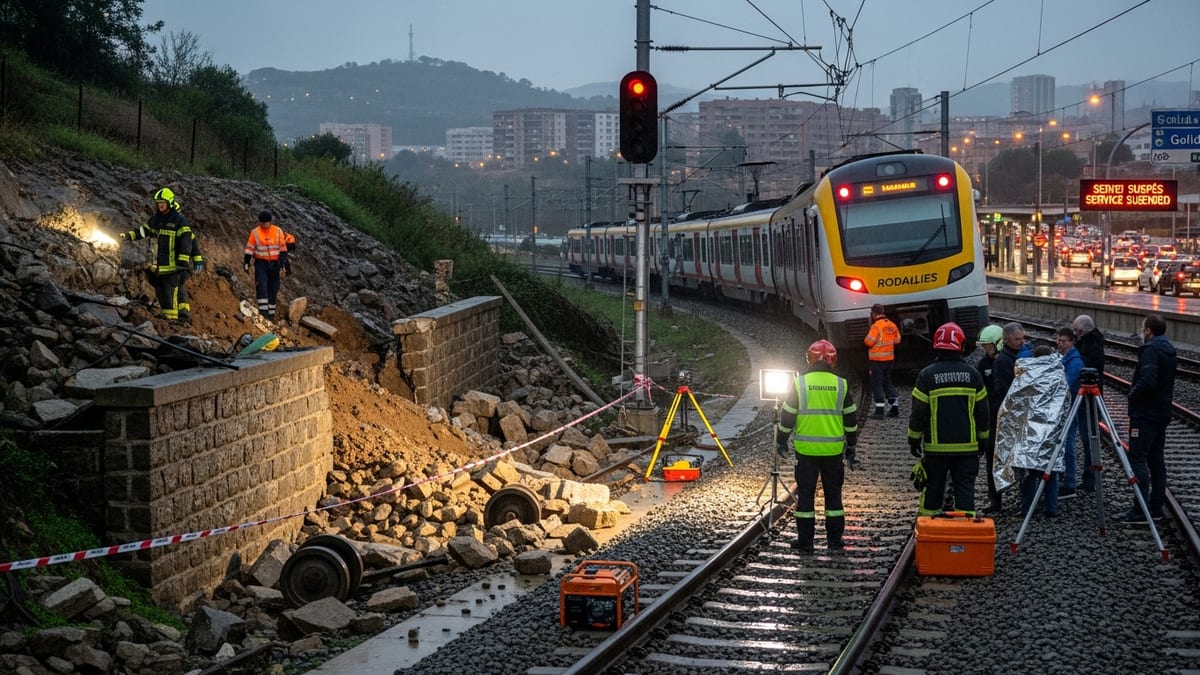
According to publicly available service alerts and regional news coverage, South Shore Line trains resumed limited operations late last week using a weekend and holiday schedule after all service was suspended on Wednesday, June 24, when a freight train derailed near East Chicago. The derailment reportedly brought down overhead wires and cut power to a key section of track shared by passenger and freight traffic.
Coverage from local outlets indicates that, rather than returning immediately to its regular weekday timetable, the railroad has opted to keep its reduced holiday-style pattern in place through Friday, July 3. Trains are running less frequently than on a standard weekday, reflecting both the infrastructure constraints near the derailment site and the need to coordinate with ongoing repair efforts.
The South Shore Line, operated by the Northern Indiana Commuter Transportation District, links Chicago’s Millennium Station with communities across northwest Indiana and South Bend International Airport. The line is one of the last surviving interurban-style electric railroads in the United States and plays a central role for commuters, students and airport travelers in the Chicago–South Bend corridor.
Reports indicate that the freight train involved in the derailment was not part of South Shore Line’s own passenger operations but was operating on adjacent or shared infrastructure. No injuries have been reported in publicly available information, but the impact on wires, poles and signaling equipment has required an extended period of restricted operations.
Bus bridge fills service gap between Miller and Hegewisch
Because the derailment and associated power loss occurred in a critical stretch between East Chicago and Gary, the commuter railroad cannot currently operate electric trains across the full route. To keep riders moving, the South Shore Line has implemented a bus bridge between Miller and Hegewisch stations, a measure highlighted in multiple regional reports.
Under the temporary plan, trains operate from Chicago’s Millennium Station to Hegewisch, where passengers transfer to buses running east to Miller. From Miller, trains continue to destinations farther into Indiana, including Michigan City and South Bend. This pattern mirrors approaches taken during previous infrastructure projects on the line, when bus substitutions were used to maintain at least partial service.
Travelers are being advised in media coverage and online alerts to allow additional time for connections, since the transfer between train and bus adds steps and may lengthen overall journey times. Riders accustomed to seamless through service between Chicago and Indiana are facing more complex itineraries, particularly during peak commuting hours.
Despite these challenges, the combination of a holiday schedule and bus bridge is enabling the South Shore Line to offer consistent if limited connectivity while crews continue work around the derailment site. Public information shows that the arrangement is expected to remain in place through the end of the week, with any changes likely to be communicated via updated alerts.
Freight derailment highlights shared-corridor vulnerabilities
The incident has also drawn attention to the vulnerabilities of passenger rail lines that share corridors with freight operations. Published coverage notes that the derailment involved freight equipment, yet the resulting power loss and track damage immediately halted South Shore Line passenger trains across a wide area.
On the South Shore Line, electric commuter trains operate beneath overhead wires, while freight trains often use adjacent tracks or sections of the same right-of-way. When a heavy freight consist derails, it can damage supporting structures, poles or substations that supply power to commuter trains. That appears to have been the case near East Chicago, where the collision and subsequent infrastructure damage rippled quickly into the passenger network.
Transportation analysts routinely point out that shared corridors can offer significant cost savings for both public agencies and freight railroads. However, the current disruption underscores how incidents in one segment of the rail system can cascade into another, especially in dense industrial regions where tracks and utilities are tightly interwoven.
In the wake of this derailment, crews and inspectors have been focused on clearing damaged freight cars, restoring power, and assessing the condition of signals and track equipment. Only once those steps are complete can the South Shore Line consider resuming its normal weekday service pattern without relying on buses or reduced schedules.
Impact on regional travelers at the start of summer
The derailment and resulting holiday schedule come at the start of the summer travel season, when ridership on the South Shore Line often includes a mix of daily commuters, vacationers, and visitors heading to Indiana Dunes National Park and Lake Michigan beaches. According to ridership reports and past seasonal trends, summer weekends and holidays can be particularly busy on the line.
Maintaining a weekend and holiday timetable throughout the workweek means fewer peak-direction trains for workers and students commuting into Chicago from Indiana communities such as Hammond, Gary, Portage and Michigan City. Some travelers are reportedly turning to carpooling, express buses or driving, adding extra pressure to already congested expressways and toll roads in the corridor.
Airport passengers traveling to and from South Bend International Airport are also affected. While trains continue to serve the airport on the modified schedule, the bus bridge and less frequent service may extend travel times and complicate connections with flights, particularly early in the morning or late at night.
Despite these disruptions, reports suggest that many riders are adapting to the adjusted timetable, checking updated schedules, and building in more time for transfers. The holiday pattern is seen as a compromise that allows the railroad to preserve a predictable, all-day service plan while repairs progress.
What riders can expect in the coming days
Information shared by the South Shore Line and summarized in news coverage indicates that the weekend and holiday schedule will remain in effect across both the Lakeshore and Monon corridors at least through Friday, July 3. The bus bridge between Miller and Hegewisch is expected to continue alongside that timetable.
Travelers planning trips in the Chicago–South Bend corridor this week are being encouraged through publicly available notices to verify times before departure and to be prepared for adjusted boarding locations where buses substitute for trains. Riders may also wish to identify alternative departure times, as popular morning and late afternoon services could be busier than usual under the reduced pattern.
As repair crews complete work on damaged infrastructure and power systems, the South Shore Line is expected to move back toward its standard weekday schedule. However, the experience of this derailment is likely to inform future planning, including contingency strategies for shared freight and passenger corridors and the use of bus bridges during emergencies.
For now, the continued use of a holiday timetable reflects a cautious approach, prioritizing operational stability and safety while still offering an essential rail link between Chicago and northern Indiana during a critical travel period.