


More news on this day
Confusion surrounding a reported diversion of Southwest Flight 3241 to Charlotte Douglas International Airport has drawn fresh attention to how flight numbers, live tracking sites, and fast-changing schedules can create mixed signals for travelers and aviation watchers.
Get the latest news straight to your inbox!
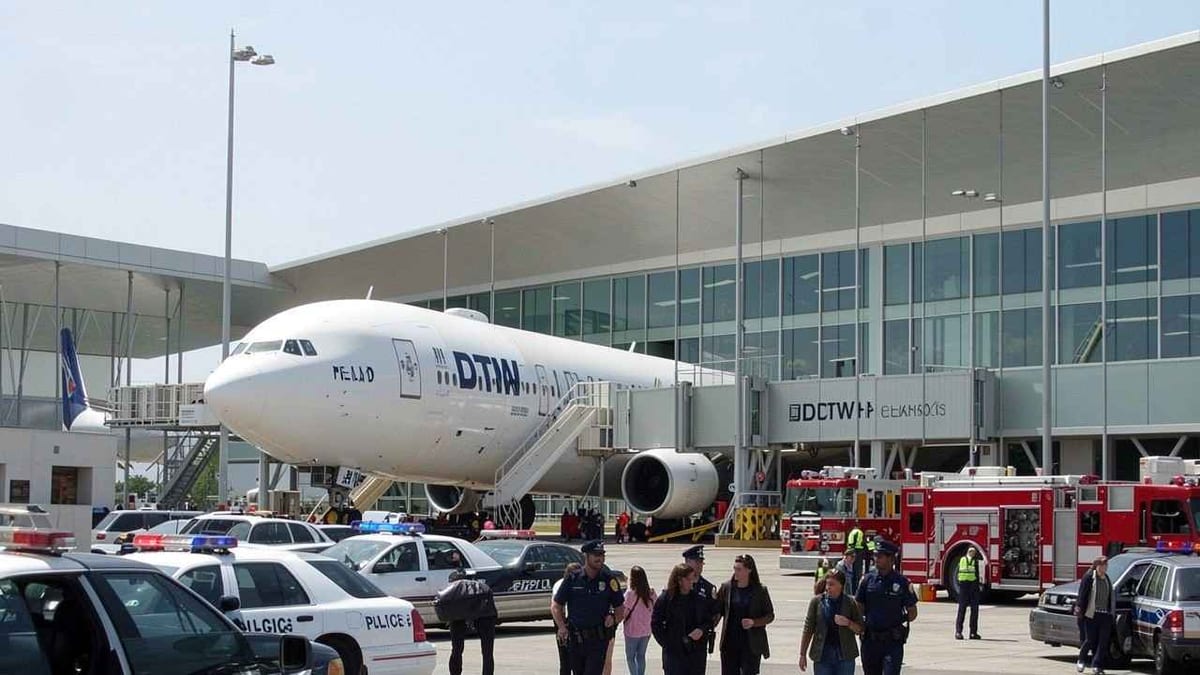
Reports Of A Diversion Spark Online Attention
Mentions of a Southwest Airlines service identified as SWA3241, or WN3241, appearing near Charlotte Douglas International Airport prompted questions among flight-tracking enthusiasts and passengers monitoring trips in mid-July 2026. Online posts and tracking screenshots suggested that a flight displaying that number had diverted toward Charlotte, a major hub in the Southeast and a frequent alternate airport during weather or operational disruptions.
Publicly available flight-tracking databases show that the WN3241 flight number is in active use on various Southwest routes, but the specific pairing of that flight number with Charlotte does not consistently appear in current timetable data. Some tracking records list WN3241 operating between other city pairs in recent days, underscoring how a single flight number can be reassigned to different routes over time or even within the same day.
Because of that flexibility, an apparent change of course on a radar map can quickly be interpreted as a diversion, even when the aircraft involved is simply operating a different leg or routing than an earlier instance of the same flight number. As a result, distinguishing a genuine unscheduled diversion to Charlotte from a routine schedule variation requires careful reading of both historical data and same‑day operations.
In this case, there is no widely circulated incident report describing an emergency or high-profile event connected specifically to Southwest Flight 3241 arriving unexpectedly at Charlotte. The discussion has instead centered on the discrepancy between what some tracking platforms appeared to show and what official schedule references list for that flight number.
Charlotte’s Role As A Diversion Airport
Charlotte Douglas International Airport frequently functions as a diversion point for flights crisscrossing the eastern United States. Its long runways, extensive gate network, and position along major north–south and east–west corridors make it a logical alternate when storms, congestion, or operational problems affect other hubs in the region.
Public planning documents for Charlotte Douglas describe established procedures for handling diverted aircraft, including coordination between the airport, airlines, and federal agencies when flights arrive that were not originally scheduled to land there. These plans emphasize gate availability, refueling capacity, and passenger care in the event of extended ground time after an unscheduled arrival.
Recent months have seen several high-visibility diversions involving other airlines, including medical diversions and weather-related reroutes that brought additional widebody and narrowbody aircraft into Charlotte on short notice. Aviation forums and local media reports often highlight these events, illustrating how quickly diversion news can spread among the traveling public and local residents.
Against that backdrop, any suggestion that a Southwest flight has suddenly altered its route toward Charlotte naturally attracts interest. Even absent a documented emergency, the mere appearance of a new inbound aircraft on tracking maps can lead observers to search for explanations ranging from routine weather avoidance to mechanical issues or passenger medical needs.
How Flight Numbers And Tracking Tools Can Mislead
The case of SWA3241 underscores the complexity behind what seems like a straightforward label on a departure board. Flight numbers at major carriers are often reused across multiple route segments in a single day or across seasons, and may be reassigned as network planners adjust schedules in response to demand, aircraft availability, and crew logistics.
Flight-tracking platforms aggregate schedules, radar data, and airline feeds, but they do not always update instantly when an airline makes changes. Aviation commentators frequently note that these systems can interpret certain routing adjustments as “diversions” when, in reality, the operator has retimed or rerouted the service as part of standard operations. That can create a visible “diverted” tag or unusual track on public maps that suggests drama where none exists.
Forum discussions in recent weeks have pointed to several examples where a Southwest flight number appeared to divert on a tracking site, only for travelers to discover that the underlying schedule had changed or that the aircraft was operating a different leg under the same identifier. Enthusiasts watching Charlotte-area traffic have also reported clusters of diversions during thunderstorm outbreaks, making it harder to distinguish a genuine disruption for one particular service from broader weather-driven congestion.
In the absence of an airline incident bulletin or coordinated public statement referencing Southwest Flight 3241 and Charlotte, the most consistent explanation for the recent attention appears to be a mix of changing schedules, real-time rerouting, and the inherent limitations of third-party tracking data.
Weather, Congestion, And The Reality Of Diversions
Even if this specific Southwest service did not experience a dramatic emergency, the broader pattern of diversions into Charlotte remains a real and recurring feature of air travel in the region. Thunderstorm lines along the Appalachian corridor, seasonal hurricane disturbances, and summertime heat can all affect traffic flows, leading dispatchers to select alternate airports such as Charlotte, Raleigh, Columbia, or Atlanta.
Travel industry analysts note that on busy afternoons, a chain reaction of delays at one hub can quickly ripple outward, forcing aircraft to hold in the air or seek alternates when fuel or crew duty limits become constraining. Under those circumstances, a diversion may be a primarily logistical decision, aimed at maintaining safety margins and preventing more severe disruptions later in the day.
Airports like Charlotte maintain contingency plans that address how diverted aircraft will be parked and serviced, how passengers will be deplaned if necessary, and how basic needs such as food, water, and communication will be handled during irregular operations. These plans are shaped by federal rules on tarmac delays and customer service commitments that airlines publish for public review.
For individual passengers, however, the experience of an unexpected landing or extended ground stop can still be confusing, particularly when mobile apps and airport screens offer incomplete or conflicting explanations. The situation around SWA3241 illustrates how the perception of a diversion can arise even when official documentation is limited or slow to surface.
What Travelers Can Take Away
The attention on Southwest Flight 3241 and its reported link to Charlotte offers a reminder for travelers to treat live tracking data as an informative but imperfect snapshot of dynamic airline operations. When a flight appears to divert or follow an unusual path on a map, the underlying cause may range from a minor routing change to a more significant operational challenge.
Consumer advocates suggest that passengers monitor both airline communication channels and airport information screens for the most reliable updates on their own itineraries. While social media, message boards, and tracking sites can provide early indications that something has changed, they may not capture the full context or final disposition of a flight.
As airlines continue to refine schedules and deploy aircraft more flexibly across their networks, situations in which a flight number like SWA3241 appears in unexpected places are likely to persist. For airports such as Charlotte Douglas, that means remaining prepared to handle genuine diversions while the traveling public grows more accustomed to interpreting the digital traces of routine, if occasionally confusing, operational decisions.