


More news on this day
Southwest Airlines has dismantled many of the customer-friendly hallmarks that once defined its brand, introducing bag fees, assigned and premium seats, and a new four-tier fare structure that aligns the carrier more closely with the broader, revenue-driven U.S. aviation market.
Get the latest news straight to your inbox!
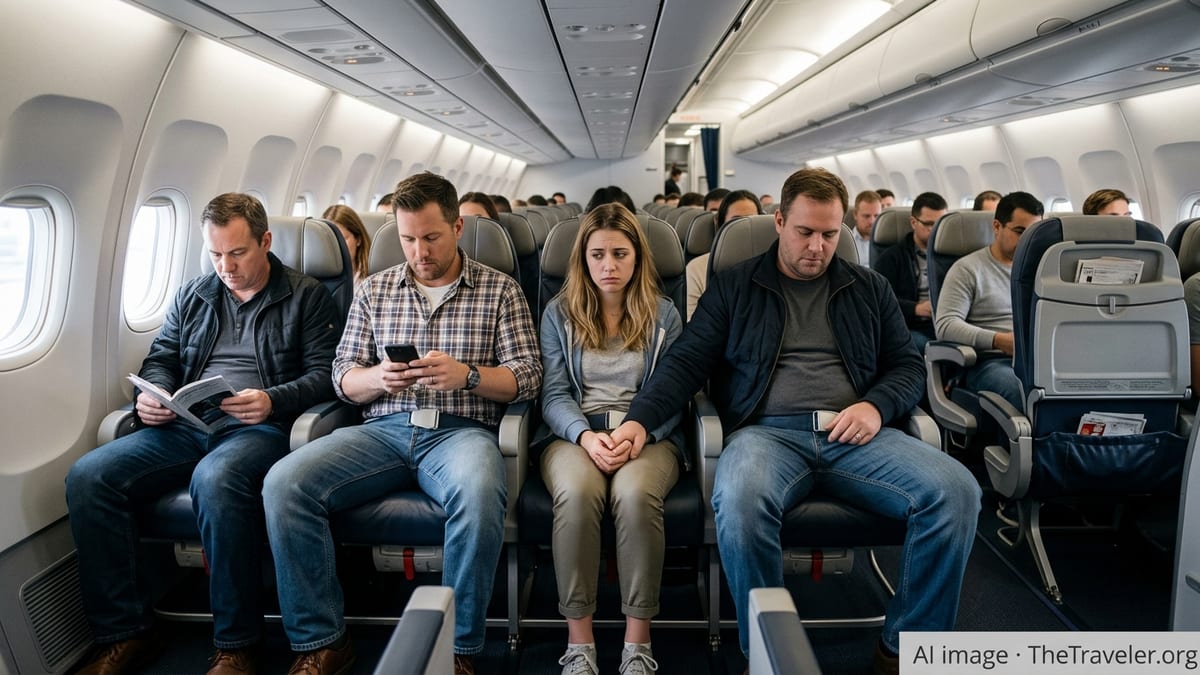
A Beloved Low-Cost Model Gives Way to Monetized Basics
For decades, Southwest differentiated itself by letting “bags fly free” and allowing travelers to choose any open seat once on board. That framework has been phased out in favor of a more conventional approach in which checked luggage, preferred seats and extra legroom are treated as distinct revenue streams rather than standard inclusions.
According to publicly available information from company filings and airline policy summaries, Southwest began charging for most checked bags in 2025, ending a long-running policy that had been a core part of its marketing. While certain top-tier fares and elite or co-branded credit card customers retain one or two free checked bags, the majority of travelers now face fees similar to those imposed by larger legacy rivals.
At the same time, reports indicate that open seating officially ended in late January 2026, with the carrier transitioning to assigned seating across its network. Customers now receive a specific seat assignment based on the fare purchased and their loyalty or cardholder status, a significant break from the boarding-number-only system that once defined Southwest’s in-flight experience.
The result is a hybrid model in which some elements of the old Southwest survive for premium and high-value customers, while price-sensitive travelers encounter a structure that mirrors the broader industry trend toward charging separately for bags, seat selection and flexibility.
New Fare Bundles Put a Price on Flexibility and Comfort
Southwest’s product overhaul is anchored by a four-tier fare ladder often described in industry coverage as Basic, Choice, Choice Preferred and Choice Extra. Each tier adjusts what used to be bundled benefits into a menu of paid or included features, including refundability, seat choice, boarding position and baggage allowance.
Basic fares, positioned as the lowest-price option, typically come with more restrictions: limited flexibility, a seat assigned closer to departure, and checked bags available only for an added fee. Travelers opting for mid-tier Choice or Choice Preferred products gain earlier seat selection and modest perks, while still often paying separately for luggage and some premium seat locations.
At the top of the structure, Choice Extra is designed to resemble a quasi-premium product. Industry analyses describe this fare as including two checked bags, access to extra-legroom seating and more favorable boarding groups, consolidating the kind of inclusions that used to be standard into a higher-priced bundle. For frequent flyers and co-branded cardholders, additional benefits such as complimentary seat upgrades or incremental baggage allowances may further soften the impact of the new fees.
This segmentation mirrors strategies already in place at other major U.S. airlines, where basic economy, standard main-cabin and premium bundles drive both ancillary revenue and upselling opportunities. For Southwest, it represents a decisive shift from a one-size-fits-all value proposition to a tiered system that monetizes choice and convenience.
Premium Extra-Legroom Seats Redefine the Onboard Experience
Another central piece of the transformation is the introduction of premium extra-legroom seating, installed in bulkhead and exit rows on updated Boeing 737 aircraft. Publicly available cabin guides and airline statements describe these seats as offering increased pitch and a more spacious feel than standard economy, with some rows also positioned for faster boarding and deplaning.
These seats are sold at a higher price point, either as part of the Choice Extra fare bundle or as an add-on to other fare types when available. In effect, Southwest is monetizing space and location within the cabin, aligning with a common practice among U.S. and international competitors that have long charged more for extra legroom, bulkhead and exit-row seating.
The change also has operational implications. With seats now carrying different price tags, movement within the cabin is more controlled, and travelers report less freedom to swap into exit rows or front-cabin locations once on board. Boarding groups have been rebalanced around fare class, loyalty status and seat type, with extra-legroom passengers often placed in earlier groups to reinforce the premium nature of the product.
While some travelers welcome the opportunity to pay for additional space and certainty, others see the shift as a departure from the egalitarian character that once made Southwest stand out. The premium seating rollout crystallizes the broader industry movement toward carving the economy cabin into multiple, differently priced zones.
Customer Backlash Highlights Tension Between Loyalty and Revenue
The end of free checked bags and open seating has sparked vocal reactions from long-time Southwest customers, particularly those who built their travel habits around the airline’s former simplicity. Online forums and social media discussions are filled with accounts from travelers who say they chose Southwest specifically to avoid luggage fees and to control their seating by checking in early, rather than paying for specific rows.
Published coverage notes that many of these customers now view the carrier as indistinguishable from other major U.S. airlines on key pain points such as baggage charges and seat selection. Some frequent flyers report reassessing airline loyalty programs more broadly, comparing total trip costs once bag fees, seat upgrades and credit card benefits are factored in across multiple carriers.
At the same time, industry commentary points out that the changes may reinforce loyalty among a different segment of travelers. Those who hold Southwest’s co-branded credit cards or hold higher status levels often retain free or discounted bags and preferred seating options, making the airline especially attractive to high-frequency customers while shifting more of the revenue burden onto occasional flyers.
This dynamic underscores a broader trend in the U.S. aviation market, where loyalty ecosystems, cobranded financial products and tiered perks are used to both shield top customers from new fees and encourage others to spend more to access formerly standard benefits.
A Signal for the Wider U.S. Aviation Market
Analysts and trade publications increasingly regard Southwest’s overhaul as a turning point for the U.S. aviation landscape. The carrier, once emblematic of a simple, customer-first low-cost model, is now embracing the same ancillary revenue tools that have long powered the financial performance of its rivals.
By introducing bag fees, reconfiguring cabins to support premium seating and layering in a complex fare hierarchy, Southwest is signaling that cost pressures, labor expenses and competitive dynamics have made the older model difficult to sustain at scale. Industry reporting emphasizes that these changes aim to protect margins and fund investments in fleet upgrades, technology and network growth.
The shift may also intensify competition across segments. Ultra-low-cost carriers have already built their business around aggressive unbundling, while full-service airlines offer increasingly sophisticated premium economy and extra-legroom products. With Southwest now competing on similar terms, travelers may find fewer clear-cut distinctions among carriers, pushing them to compare detailed fare rules and card benefits rather than relying on brand reputation alone.
For passengers, the new era means that route, timing and total trip cost, including baggage and seat fees, are likely to play a larger role in airline choice. For the industry, Southwest’s pivot is a sign that even the most iconic low-cost models are evolving toward a shared, revenue-driven template that monetizes nearly every aspect of the journey.