


More news on this day
On a rocky peninsula along Bulgaria’s southern Black Sea coast, the small town of Sozopol is drawing growing attention from travelers searching for Europe’s coastal charm at prices and crowd levels that feel increasingly rare on the Mediterranean.
Get the latest news straight to your inbox!
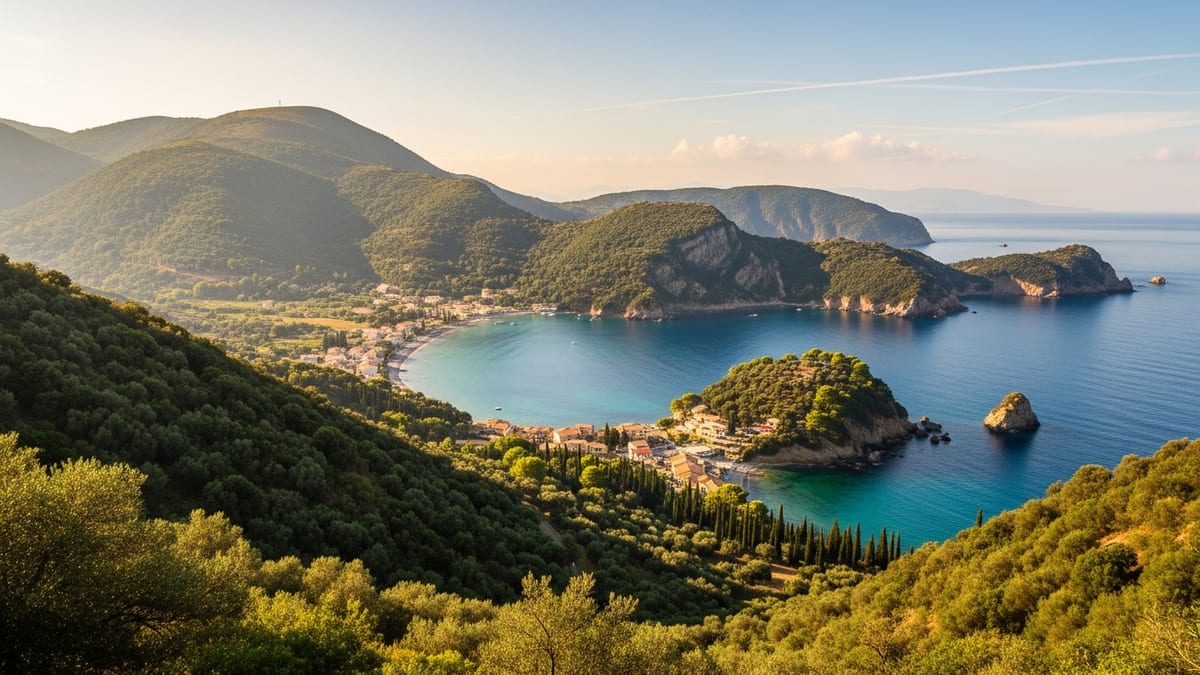
A Historic Peninsula Town Away From Europe’s Beach Frenzy
Sozopol sits about 35 kilometers south of Burgas, its old town clustered on a compact headland of cobbled lanes, wooden houses and church spires overlooking the bay. Public information on the town’s history describes it as one of the oldest settlements on Bulgaria’s Black Sea, with roots reaching back to an ancient Greek colony known as Apollonia. That pedigree now underpins a mix of archaeology, maritime views and low-rise development that contrasts sharply with the high-density resort strips found elsewhere in Europe.
Recent travel coverage highlights Sozopol as part of a broader trend on Bulgaria’s so-called Riviera, where visitors are turning to the Black Sea as prices in France, Italy, Spain and Greece continue to rise. Reports indicate that Sozopol is benefiting from this shift while still operating on a smaller scale than larger Bulgarian resorts such as Sunny Beach or Golden Sands. The result is a town where café terraces and guesthouses are busy in summer but streets remain walkable and sea views largely unobstructed by towers.
Unlike heavily marketed clubbing hubs, Sozopol’s main draws remain its old-town ambience and accessible beaches rather than headline nightlife. Travel writers often describe evenings here as centered on waterfront promenades, seafood taverns and sunset viewpoints over the harbor. For visitors who find big-party destinations overwhelming, the town is being framed as a gentler entry point to the Black Sea coast.
Lower Day-to-Day Costs Compared With Mediterranean Resorts
Publicly available price comparisons suggest that Sozopol continues to undercut many Western European coastal destinations on everyday travel expenses. Recent analyses of restaurant and hotel costs place the average main dish in local eateries well below typical prices in popular Mediterranean resorts, while budget-conscious travelers can still find simple rooms and guesthouses at rates that would be difficult to match in countries such as Italy or Spain during peak season.
Specialist travel outlets that track global costs describe Sozopol’s accommodation as broadly economical, from family-run pensions and rental apartments to mid-range hotels near the waterfront. In euro or dollar terms, nightly prices outside the absolute peak weeks of late July and August often remain in a band that appeals to long-stay visitors, remote workers and regional tourists looking for extended seaside time without premium price tags.
Transport adds to the value proposition. Burgas Airport receives seasonal flights from a range of European cities, and regular buses or transfers link the airport and Burgas city to Sozopol for just a few local leva. That allows visitors to reach the town without hiring a car, something that remains harder or more expensive in some Mediterranean islands and smaller coastal enclaves.
Travel planners note that beach access itself remains largely free, with paid services limited mainly to loungers, umbrellas and water sports. For travelers used to paying high resort fees or compulsory club charges elsewhere, the overall cost structure in Sozopol can make a multi-day stay feasible on a moderate budget.
Beaches and Nature Offering Space To Breathe
Sozopol’s appeal is not limited to its old-town streets. The town backs onto a series of sandy bays that stretch north and south along the coast, offering a mix of family-friendly strands and wilder patches framed by dunes and low forest. Reports from travel guides highlight Central Beach, just below the old town, for its easy access and views, while Harmani Beach on the new-town side provides a longer arc of sand with shallow waters suited to swimmers and children.
Beyond the immediate town beaches, areas such as Kavatsi, Smokinya and Gradina are widely promoted for a more natural feel. Public descriptions depict relatively low-rise development with campgrounds, small beach bars and stretches of open sand where visitors can spread out. Compared with the dense rows of loungers that characterize some Mediterranean hotspots, these coves are marketed as places where it is still possible to find personal space at the water’s edge, particularly outside high summer weekends.
In recent years, Sozopol has also gained a reputation among digital nomads and long-stay visitors attracted by the combination of nature, reliable summer weather and workable infrastructure. Remote-work oriented guides point to beach bars and cafés with Wi-Fi, while still emphasizing that the overall atmosphere remains calmer than in major party resorts. For travelers hoping to mix screen time with swims and coastal walks, the town presents itself as a slower-paced base rather than a non-stop entertainment strip.
Cultural Festivals and Old-World Atmosphere
Sozopol’s cultural calendar is another factor setting it apart from more conventional sun-and-sand destinations. The town is known as the host of Apollonia, described in Bulgarian cultural listings as one of the country’s most prominent summer arts festivals. Concerts, theater performances, film screenings and exhibitions take place in open-air venues and historic settings around the old town, bringing a seasonal influx of artists and culture-focused visitors.
Outside the festival period, Sozopol’s atmosphere is shaped by its preserved architecture and archaeological sites. Official heritage summaries describe traditional wooden Black Sea houses, narrow streets and small churches dating from different periods of the town’s long history. The local archaeological museum showcases finds from ancient and medieval times, reinforcing Sozopol’s image as a living town layered over centuries of maritime trade and settlement.
Travel writers frequently contrast this sense of continuity with the purpose-built nature of some modern resorts elsewhere on the coast. For visitors, that means mornings spent at the beach can be balanced with afternoon walks through alleyways, small galleries and harbor viewpoints without leaving town. The combination of cultural programming and historical setting allows Sozopol to position itself as more than just a budget beach break.
An Emerging Alternative to Bulgaria’s Busier Resorts
Within Bulgaria itself, online travel forums and blogs increasingly mention Sozopol as a quieter counterpart to larger resort complexes. While it has a selection of bars and late-opening venues, discussions among travelers often recommend Sozopol to those who want a more balanced environment, with nightlife available but not dominant. Families, couples and older visitors are commonly cited as core segments alongside younger holidaymakers.
Regional travel guides position Sozopol alongside Nessebar as an example of a historic town that offers beach access, instead of the fully modern infrastructure of Sunny Beach or other big resorts. The town’s scale, year-round residential population and proximity to smaller neighboring communities help support basic services outside the narrowest peak season, something that can be limited in resorts designed almost entirely around summer tourism.
As air links and word-of-mouth expand, observers expect Sozopol to receive more international attention in coming summers. For now, though, it remains relatively under the radar for long-haul travelers when compared with Mediterranean household names. For visitors willing to look beyond the usual resort map, the town offers a slower, more affordable way to experience Europe’s coastal beauty without the tourist rush that increasingly defines many of the continent’s best-known shores.