


More news on this day
Spain’s latest tourism records are colliding with a worsening housing shortage, as soaring visitor numbers intensify pressure on rental markets in coastal resorts and historic cities already struggling with affordability.
Get the latest news straight to your inbox!
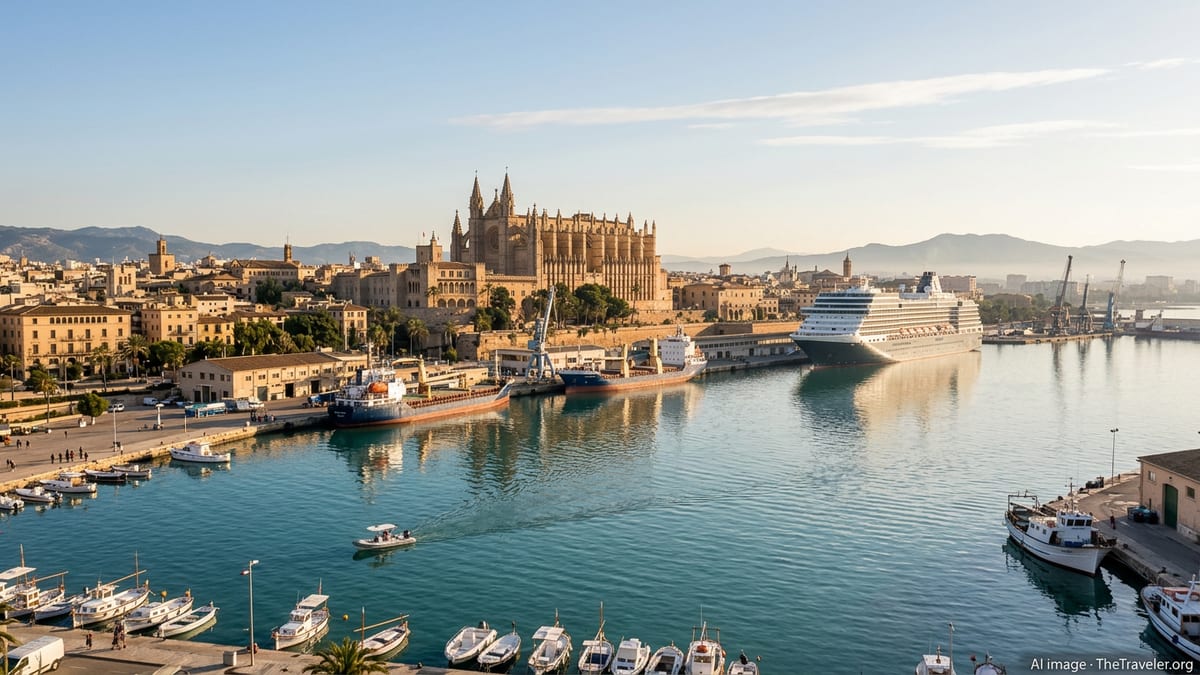
Record Visitor Numbers Reshape Spain’s Tourism Landscape
Spain has consolidated its position as one of the world’s top tourism destinations, with international arrivals and spending setting new highs in successive years. Official data indicate that foreign visitor numbers surpassed 90 million in 2024 and continued to rise into 2025, outpacing pre-pandemic levels and generating more than 120 billion euros in tourism-related revenue for the Spanish economy.
The National Statistics Institute and government bulletins show that international tourism has not only recovered but expanded beyond 2019 benchmarks, with record numbers of air passengers, overnight stays and off-season trips. Analysts at the Banco de España describe tourism as a key driver of post-pandemic growth, benefiting employment and regional economies from Catalonia and Valencia to the Canary and Balearic Islands.
Spain’s tourism strategy documents emphasize a shift toward higher-value, year-round visitation, with visitors staying longer and spending more per trip. This diversification of demand across seasons and regions has reduced the country’s dependence on peak-summer beach tourism and helped stabilize revenues for hotels, restaurants and transport operators.
Yet the same figures underline a mounting challenge. The rapid expansion of visitor numbers, combined with rising average spending, is contributing to intense demand for short-term accommodation in urban centers and popular coastal areas, where housing supply is already tight and local incomes lag behind tourism-driven price pressures.
Short-Term Rentals Squeeze Urban Housing Supply
Publicly available data on Spain’s housing stock show a sharp expansion of dwellings registered for tourist use over the past decade. Statistics compiled by the National Statistics Institute indicate that by late 2024 there were well over 350,000 officially recognized tourist homes nationwide, representing a small but influential share of the total housing stock and a substantial segment of the active rental market in some regions.
Research referenced by the Banco de España and academic studies links the spread of short-term tourist rentals to higher housing costs in high-demand municipalities. In certain coastal areas and island territories, central bank analysis notes that a significant proportion of potentially habitable dwellings are devoted to tourism-related use or owned by non-residents, reducing availability for long-term tenants and first-time buyers.
Big data analyses of rental platforms suggest that conversion of conventional rental apartments into short-stay tourist units has accelerated in heritage city centers and near major attractions. In districts of Barcelona, Madrid, Valencia, Málaga and Seville, a growing number of properties are advertised for visitors rather than residents, concentrating pressure on the remaining long-term rental stock.
Economists argue that tourism is not the sole cause of Spain’s housing strain, pointing also to limited new construction in some markets, the legacy of the previous property cycle, and broader inflation in European housing. However, recent Spanish studies estimate that tourism-related demand can add several thousand euros to the price of a home in highly touristic municipalities, magnifying the affordability gap for local households.
Island and Coastal Hotspots Bear the Brunt
The impact of the tourism boom on housing is particularly acute in Spain’s island regions and Mediterranean resorts, where space is constrained and tourism dominates local economies. In the Canary and Balearic Islands, official tourism series report some of the highest ratios of visitors to residents in Europe, with tens of millions of overnight stays concentrated in limited urbanized coastal corridors.
Local statistical offices and media coverage describe long-term residents being priced out of central areas as landlords shift properties to holiday rentals that can command much higher nightly rates during high season. Seasonal workers employed in hotels, bars and restaurants often struggle to find affordable accommodation close to their jobs, leading to longer commutes, overcrowding and in some cases informal or substandard housing arrangements.
Similar patterns appear in urban beach destinations along the Costa del Sol, Costa Blanca and Costa Brava. Municipal data from several coastal towns show rising shares of housing used as second homes or tourist rentals, coupled with stagnant or declining year-round resident populations. Urban planners warn that this can hollow out neighborhoods, reducing access to basic services, schools and local commerce not oriented toward visitors.
Environmental and infrastructure pressures intersect with the housing problem in these regions. High visitor densities increase demand for water, transport and waste management, while also pushing renewed hotel and apartment development. Critics of the prevailing model argue that without stricter controls on land use and tourist housing, the combined pressure risks eroding both residents’ quality of life and the very landscapes that attract visitors.
Policy Response: National Rules and Local Crackdowns
Spain has begun to overhaul its regulatory framework in response to the combined challenges of overtourism and housing stress. A new national housing law adopted in recent years enables regions to declare “stressed” rental markets and, under specific conditions, apply rent caps. Early empirical evaluations of measures in Catalonia indicate some moderating effect on rent growth, although researchers highlight mixed results and the risk of landlords shifting units to unregulated tourist use.
To tackle the proliferation of unlicensed short-term rentals, Spain has introduced a unified registry for tourist accommodation, requiring properties marketed to visitors to obtain a unique identification code. The stated goals include improving tax compliance, strengthening consumer protection and giving local governments better tools to monitor and enforce limits on tourist housing.
Regional and municipal authorities are complementing national measures with targeted zoning and licensing policies. Some city councils now restrict new tourist rental licenses in central districts, impose minimum stay requirements or cap the total number of days per year that a main residence can be rented to visitors. Other municipalities have tightened rules on converting residential buildings into hotels or tourist apartments, seeking to preserve mixed-use neighborhoods.
Industry associations representing traditional hotels and campsites have generally welcomed stronger enforcement against illegal tourist rentals, arguing that a level regulatory playing field is essential. At the same time, homeowner groups and parts of the tourism sector warn that overly rigid controls could discourage investment and innovation, urging authorities to balance housing protection with the economic benefits that tourism brings.
Public Backlash and the Debate Over Spain’s Tourism Model
Growing concern about the social impact of mass tourism has spilled onto the streets in multiple Spanish cities. Demonstrations in 2024 and 2025 in Barcelona, the Canary Islands, Palma de Mallorca, San Sebastián and other destinations highlighted complaints over rising rents, crowded public spaces and the transformation of historic centers into what protesters describe as “theme parks” for visitors.
According to widely reported accounts, local civic platforms have used marches, public assemblies and symbolic actions to demand tighter controls on tourist rentals, higher taxes on large real estate investors and cruise passengers, and stronger commitments to social housing. The protests also reflect broader unease about low wages and precarious employment in some tourism-related jobs, which leave many workers unable to afford the very cities that depend on their labor.
Academic commentators and policy analysts are increasingly framing Spain’s situation as a test case for how mature tourism economies can reconcile growth with social sustainability. Proposals emerging from think tanks and municipal planning departments include redirecting investment toward inland and lesser-known destinations, incentivizing longer off-season stays over high-turnover weekend trips, and linking tourist rental licenses to contributions to local housing funds.
For now, tourism forecasts from industry bodies still point to further growth in international arrivals and visitor spending over the coming years. How Spain manages that expansion, particularly in relation to housing availability and urban livability, is likely to shape not only the country’s economic outlook but also its social cohesion in communities where the tourism boom has become inseparable from a deepening housing crisis.