


More news on this day
Nepal is urging residents and visitors in its northern Himalayan districts to brace for more hazardous weather, as heavy rainfall is forecast just weeks after catastrophic floods killed hundreds of people and left thousands missing along the Bhote Koshi and Trishuli river corridors.
Get the latest news straight to your inbox!
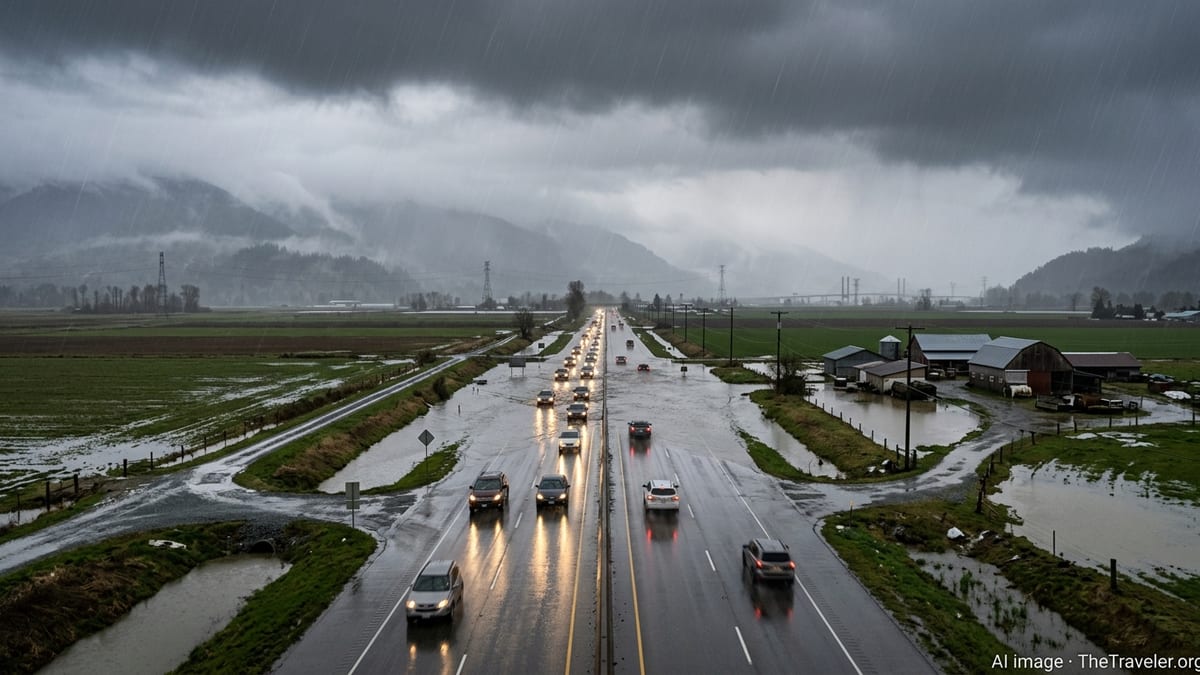
New weather alerts for already devastated valleys
Publicly available information from Nepal’s Department of Hydrology and Meteorology indicates that forecasters expect periods of heavy rain to continue affecting central and northern hill districts through late September 2026, including areas still recovering from the 26 August flash flood disaster in Rasuwa and adjoining regions.
A recent bulletin highlighted a risk of intense showers in and around the Bhote Koshi flood zone, including the hilly terrain of Rasuwa district, where swollen rivers, weakened slopes and damaged infrastructure have increased susceptibility to further flash floods and landslides. National radio coverage on 4 September reported warnings for heavy rain in parts of the Bhotekoshi corridor, advising communities in disaster affected zones to remain cautious amid unstable ground and shifting debris.
While the wider monsoon across Nepal has been described as less intense than some previous years, hydrological monitoring shows that localized cloudbursts and extreme rainfall events can still occur, particularly along steep Himalayan catchments. Experts involved in post disaster assessments note that even short periods of intense rain can rapidly mobilize loose sediment and blocked channels left behind by the late August flood surge.
The ongoing wet conditions are complicating efforts to stabilize riverbanks, repair bridges and reopen roads, reinforcing official messaging that travel plans in the central Himalayan region may need to remain flexible over the coming weeks.
Scale of August floods and impact on tourism
The late August 2026 disaster along the Nepal China border followed what scientific analyses describe as a massive ice and rock avalanche high in the Bhote Koshi watershed. That collapse generated a destructive surge that swept downstream through settlements, hydropower sites and road corridors, with international and local media reporting death tolls climbing into the hundreds and thousands of people still unaccounted for in the days that followed.
Figures released in early September by Nepal’s disaster management authorities and summarized by regional monitoring organizations point to severe human and economic losses. Humanitarian updates describe hundreds of confirmed deaths and several thousand people listed as missing across multiple districts, including Rasuwa, Nuwakot, Dhading and downstream areas, with many of the missing identified as domestic and foreign travelers moving along the highway and trekking routes when the flood hit.
Tourism focused reporting from Nepal indicates that the Bhote Koshi flood has inflicted major damage on visitor infrastructure. A recent assessment cited by national broadcasters estimated losses to the tourism sector of more than 52 billion Nepali rupees, including washed out lodges, rafting bases, bridges and sections of the arterial road network. Local tourism bodies have also noted that more than a thousand Nepali and foreign tourists were directly affected by the floods and associated landslides, either through injury, displacement or loss of travel plans.
The affected corridor is an important gateway for overland travel toward the Nepal Tibet border and for treks in the Langtang and Gosainkunda region, which typically attract both pilgrimage visitors and international hikers. Although much of Nepal’s tourism activity is concentrated in other areas such as Kathmandu, Pokhara and Chitwan, the disruption in Rasuwa has raised renewed concerns about climate related risks on popular mountain routes.
Travel conditions: what visitors should expect
According to travel updates shared by local tourism operators and public advisories compiled by Nepal focused travel information sites, many of Nepal’s main tourist gateways, including Kathmandu and the highway corridors to Pokhara and Chitwan, are open, though travelers continue to face occasional landslide related delays typical of the late monsoon period.
In contrast, routes running through the Bhote Koshi and upper Trishuli valleys have experienced extensive damage. Reports from late August and early September describe at least 19 bridges and around 40 kilometers of road destroyed or severely affected in the high Himalayan stretch, with reconstruction efforts hampered by rugged terrain and ongoing rain. Some sections remain accessible only to emergency and construction traffic, and journey times have lengthened substantially where temporary bypasses or ferry crossings are in place.
Travel forums and regional news coverage stress that conditions can change quickly with the weather. Roads that reopen after clearance work may close again overnight following new rockfalls or slope failures, and local authorities periodically suspend traffic on vulnerable sections when heavy rain is forecast. Domestic flights to Nepal’s main tourist hubs are operating, but smaller mountain airstrips serving trekking regions can face temporary closures if visibility deteriorates or if infrastructure inspections are required after storms.
The Nepal Tourism Board and individual trekking agencies are encouraging visitors to check the latest route specific information before departure, with particular emphasis on itineraries that would normally pass through the Langtang and Rasuwa region. Some agencies have been redirecting clients to alternative trails in less affected areas until road access and essential services are restored along the Bhote Koshi corridor.
Government advisories and safety guidance for travelers
Foreign affairs ministries in several countries have updated their travel advice for Nepal since the August floods, reflecting both the scale of the disaster and the new heavy rain warnings. Public advisories accessible online generally recommend that travelers avoid unnecessary journeys in areas directly affected by the Bhote Koshi and upper Trishuli floods, pay close attention to local weather bulletins and follow any movement restrictions announced by district administrations.
Nepal’s own disaster management agencies and meteorological services disseminate regular flood and landslide alerts, which are picked up by national radio, television and online outlets. Bulletins for late September highlight the continuing risk of sudden river level rises, debris flows and slope failures in steep terrain, particularly when intense rain bands pass over catchments that have already been destabilized by the August event.
Safety information circulated by mountaineering and trekking organizations emphasizes several practical steps for visitors during the current conditions. Recommended measures include allowing extra travel days in itineraries to accommodate possible road blockages, using licensed local guides familiar with recent damage and alternative paths, avoiding walking or driving alongside rivers during and immediately after heavy rain, and being prepared for last minute route changes if local communities report new hazards.
Insurance providers that cover adventure and trekking travel are also advising customers to confirm that their policies include evacuation and trip interruption coverage specific to landslides and floods in high mountain regions. Published guidance notes that search and rescue operations in Nepal’s Himalayas can be complex and costly, particularly when weather windows are short and access roads are damaged.
Monsoon extremes and growing climate risk
The late August catastrophe has renewed attention on how climate change is influencing extreme events in the Himalayas. Early scientific analyses of the Bhote Koshi disaster, discussed in academic and media reports, describe a cascading chain of hazards beginning with a high mountain slope failure that entrained glacier ice and rock, generating a powerful outburst flood that traveled far downstream.
Although the 2026 monsoon rainfall totals across Nepal have been reported as close to or even below some long term averages, climate researchers point to a pattern of more frequent localized extremes. Previous years have already seen deadly floods and landslides linked to intense downpours, as documented in disaster reports produced by Nepal’s Department of Hydrology and Meteorology and international risk monitoring agencies. Analysts note that warmer temperatures in the high Himalayas can destabilize permafrost and glaciers, increasing the likelihood of ice rock avalanches and sudden lake outbursts.
Policy documents from Nepal’s government highlight tourism as especially exposed to these shifting risks, given the popularity of trekking, mountaineering and river based activities in areas with fragile geology and limited evacuation routes. Planning frameworks call for stronger early warning systems, better land use controls near river corridors, and closer coordination between tourism operators and disaster management agencies during the monsoon season.
For travelers, the latest heavy rain warnings serve as a reminder that even iconic Himalayan landscapes are evolving rapidly under the pressure of climate change. While most of Nepal remains open for visitors and continues to welcome tourism as a vital part of the economy, those heading into the mountains this season are being urged by public information outlets to stay alert to weather updates, respect local guidance and recognize that itineraries may need to adapt as conditions change.