


More news on this day
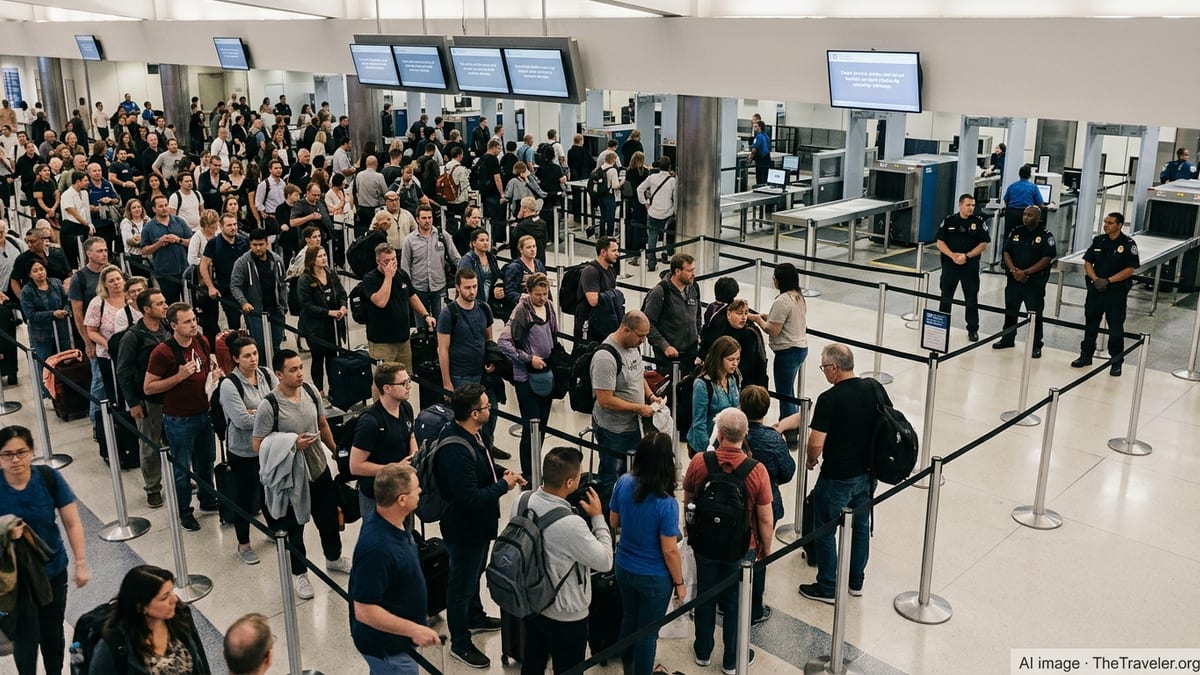
SpiceJet passengers at Delhi’s Indira Gandhi International Airport faced long waits and delayed departures after a check-in disruption in the early hours of September 19, 2026, left flyers unable to complete basic airport formalities and sparked crowding at Terminal 1.
Get the latest news straight to your inbox!
What happened at Delhi IGI and when the disruption began
Published coverage indicates the disruption started around 2:00 a.m. to 2:30 a.m. on Saturday, September 19, when passengers arriving for pre-dawn departures found check-in counters not operating normally. With boarding passes and baggage acceptance stalled, queues built quickly and travelers reported uncertainty over next steps and departure times.
The problem appeared to be concentrated around SpiceJet’s processing at Terminal 1, where many domestic services operate. Delhi airport’s public messaging during the incident referenced coordination between airport teams, the airline and other stakeholders to manage the on-ground situation and assist affected passengers.
SpiceJet’s public position in reports characterized the delays as stemming from “operational reasons,” while some coverage also described staffing-related issues contributing to the check-in slowdown. Because these accounts vary by outlet and the airline’s statement has been more general, the precise root cause has not been uniformly established in publicly available reporting.
Flights affected: Leh, Jammu, and knock-on impact to Dubai services
Several Delhi departures were cited across reports as being directly affected on September 19, including SG121 and SG127 from Delhi to Leh and SG2160 from Delhi to Jammu. Travelers on these routes described delays stretching into multiple hours as check-in began late and aircraft departures shifted.
One Leh-bound departure, SG127, was widely reported as scheduled for an early-morning takeoff but departing around mid-morning, implying a delay of more than four hours. Other services on the Leh sector were also reported as delayed, with the combined impact affecting hundreds of passengers.
The Delhi disruption followed closely after separate reports earlier in the same week involving very long delays on Delhi to Dubai flights, including services listed as SG5111 and SG5105. In those earlier cases, published coverage described delays extending beyond 24 hours, with passengers staging protests inside the terminal as departure times were repeatedly changed. While the Dubai delays were described as tied to aircraft availability and operational constraints rather than check-in processing, the sequence of events has added to scrutiny of schedule reliability on select routes.
What travelers experienced inside the terminal
Accounts from the terminal described passengers waiting for extended periods with limited clarity on whether they were checking in for a delayed flight, being re-accommodated, or facing a potential cancellation. That uncertainty matters operationally: when counters are not functioning, travelers can be left without boarding passes, baggage tags, or access to airside areas, complicating everything from security screening timing to gate changes.
As crowds grew, airport staff and ground-handling teams were reported as stepping in to help manage lines and coordinate with airline representatives. For families and travelers with tight onward connections, even a short disruption at check-in can cascade into missed departure slots, crew duty-time constraints, and rebookings that push journeys into later departures.
SpiceJet later indicated in published statements that the specific flights highlighted in its message ultimately departed and arrived at their destinations on September 19, while also expressing regret for inconvenience. Even when flights do operate later the same day, passengers can still face significant practical impacts, including missed hotel check-in times, lost tour bookings, and disrupted ground transport plans, especially for destinations such as Leh where seasonal demand and limited frequencies can constrain same-day alternatives.
Passenger rights and practical next steps when check-in breaks down
When a disruption centers on the check-in process, travelers typically need two things quickly: confirmation of flight status and a documented plan for the ticket. Publicly available guidance in India’s aviation ecosystem generally emphasizes using official airline channels and airport flight information displays as the most reliable real-time reference points, since third-party updates can lag during fast-changing situations.
For passengers who have not checked in or whose check-in is interrupted, the immediate priority is to secure a written record of the airline’s proposed resolution, whether that is a revised departure time, rebooking to an alternative service, or a cancellation notice that enables refund processing. If baggage has already been accepted, travelers should also confirm how and when it will be loaded, transferred, or returned if the flight status changes.
Travelers affected by significant delays also tend to weigh alternatives in real time, including rebooking to other carriers where seats remain available. On routes with limited frequency, such as Delhi to Leh during peak travel windows, seats on competing flights can sell out quickly. In practice, that means earlier decisions can preserve options, but passengers should avoid booking a replacement until they have clarity on whether the original itinerary will be honored, refunded, or changed under the fare rules of the booking channel used.
Why Delhi disruptions resonate: a busy hub and tight operational margins
Delhi’s IGI Airport is among India’s busiest hubs, where even brief irregularities can ripple across the day’s schedule. Check-in bottlenecks can be especially disruptive on early-morning banks of departures when many flights are scheduled close together and terminal staffing levels are calibrated to routine throughput.
The September 19 incident has also drawn attention because it lands amid a period of heightened focus on SpiceJet’s operational resilience, following recent reports of long delays and cancellations on specific international rotations. In such conditions, ground processes such as check-in and passenger handling become more visible stress points: when they fail, the effects are immediate and highly public inside the terminal.
For now, the clearest verified takeaway from published coverage is that the September 19 disruption was resolved later that day, with the flights highlighted in the airline’s statement eventually departing and landing. Even so, the episode underscores how quickly passenger experience can deteriorate when check-in systems, staffing, or on-ground coordination falter at a major hub.