


More news on this day
SpiceJet passengers faced fresh disruption at Delhi’s Indira Gandhi International Airport this week, with published coverage describing long waits, crowded terminals, and delayed departures affecting both international and domestic services from the Indian capital.
Get the latest news straight to your inbox!
Dubai-Bound Flights Hit By Delays Stretching Into A Second Day
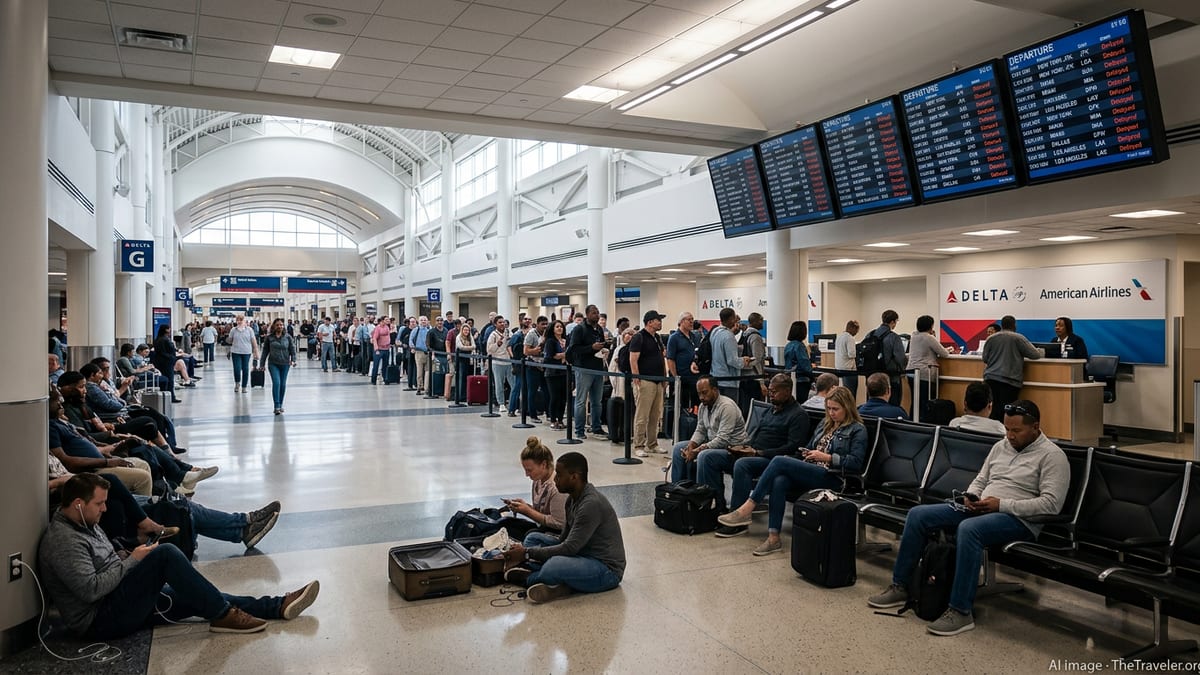
Reports described more than 100 passengers of two SpiceJet flights from Delhi to Dubai stuck at the airport after departures slipped deep into the next day. The services were identified in coverage as SG 5111 and SG 5105, with delays extending well beyond the typical three to four hours the route usually takes.
Published coverage indicated that the delays triggered a protest inside the terminal as travelers sought clearer timelines and basic assistance while waiting. Some reports said airport staff provided food and water to stranded passengers as the delay continued.
SpiceJet’s public explanation cited “operational reasons” tied to an aircraft being grounded, with alternate flights being arranged to accommodate affected travelers. The episode drew attention because of the length of the disruption, with some services delayed by close to or more than 24 hours.
Terminal 1 Check-In Disruption Adds Pressure On Domestic Departures
Separate coverage on September 19, 2026 described multiple SpiceJet delays originating from Delhi, with disruption concentrated around Terminal 1 during early morning hours. Reports indicated that passengers struggled to complete routine airport steps such as check-in and baggage processing, adding congestion and uncertainty at the counters and gates.
Flights highlighted in coverage included services from Delhi to Leh and Jammu, with total affected passengers reported in the hundreds. Some reports linked the disruption to staffing problems at the airline’s counters, while the airline’s public messaging again referred to “operational reasons,” without detailing a single specific cause.
Delhi Airport’s public posts during the disruption said its ground teams were coordinating with SpiceJet and other stakeholders to assist passengers. Even when flights eventually departed, the early-morning bottleneck created knock-on delays that can ripple through later departures when aircraft rotations and crew schedules tighten.
Why Delays Can Cascade Fast On High-Utilization Schedules
In busy hubs like Delhi, a single out-of-position aircraft can trigger a chain reaction across multiple flights, especially when an airline has limited spare aircraft and crews available at short notice. When a jet is grounded or a departure is held for hours, the same aircraft may be scheduled to operate later legs, turning one delay into several.
Operational disruptions can also be amplified by terminal-specific constraints. Delhi’s Terminal 1 handles a large volume of domestic traffic, and even a short-lived interruption at check-in or baggage drop can quickly spill into security queues, gate crowding, and delayed boarding times across multiple departures.
For passengers, the most frustrating part is often the gap between a delayed departure time showing on screens and the practical reality of what comes next: reallocation to other flights, crew duty-time limits, and aircraft swaps that may require additional clearances and coordination. These factors can extend delays even after a technical or staffing issue is resolved.
Passenger Rights And What Airlines Must Provide During Long Delays
India’s DGCA passenger protection framework sets expectations for what airlines must provide when delays cross certain thresholds, provided the traveler has checked in on time and the disruption is not tied to defined extraordinary circumstances. The CAR framework covers facilities such as refreshments and, in longer disruptions, accommodation and options for rebooking or refunds depending on delay length and timing.
For example, the DGCA’s CAR on facilities to be provided due to denied boarding, cancellations, and delays includes provisions that trigger assistance once an airline expects delays beyond set time thresholds, and it also addresses situations where total delay extends beyond 24 hours. The same framework outlines that when domestic flights are expected to be delayed beyond specified limits, airlines should offer options such as an alternate flight within a defined window or a full refund, depending on the scenario described in the rules.
In practice, travelers dealing with extended delays often want three things quickly: a confirmed revised departure time, a clear rebooking pathway, and written confirmation of entitlements for meals, accommodation, or refunds. Where confusion persists, passengers generally rely on airline help desks, airport facilitation counters, and formal complaint channels outlined by India’s aviation ecosystem, keeping documentation such as boarding passes, receipts, and delay notifications.
What Travelers Can Do At Delhi Airport When A Flight Keeps Slipping
When a delay stretches from minutes into hours, travelers can reduce risk by staying aligned with the most current flight status shown on airport information screens and the airline’s own flight status channels, then immediately confirming whether check-in, baggage drop, and security access are still proceeding for the revised departure time.
For domestic departures from Terminal 1, passengers may want to confirm whether baggage drop is operational and whether the airline is issuing updated boarding passes, since a counter disruption can block progress even when security lines are moving. For international departures, travelers should also verify whether immigration and boarding timelines shift when the new departure crosses into late-night or next-day windows.
For those facing overnight or day-long delays, the key practical step is to request a concrete re-accommodation plan in writing, including the new flight number and departure time, and to retain receipts if passengers are asked to arrange their own meals or local transport. That paper trail can matter later if travelers pursue reimbursements or file formal grievances under applicable consumer and aviation complaint mechanisms.