


More news on this day
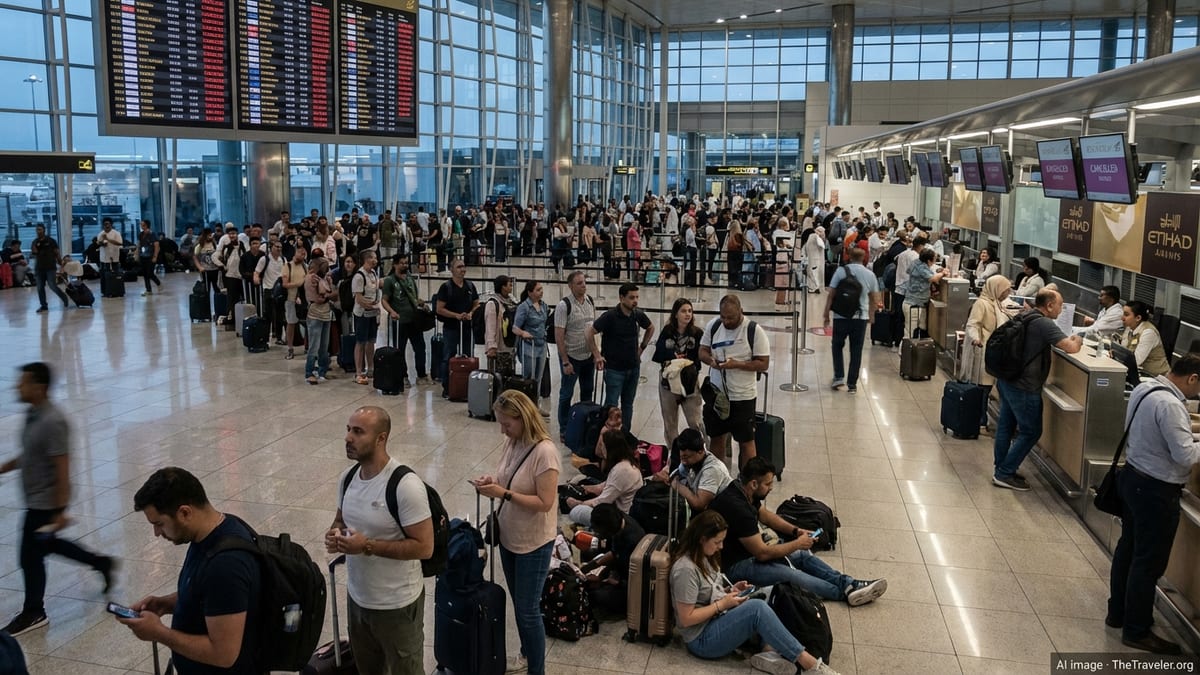
A SpiceJet flight from Pune to Dubai was delayed by about nine hours on Monday night, leaving dozens of passengers stranded at Pune airport overnight amid complaints of inadequate access to food, drinking water and timely updates.
Get the latest news straight to your inbox!
Overnight ordeal after repeated schedule changes
Publicly available information indicates that the SpiceJet service from Pune to Dubai, operating late on Monday, was initially scheduled to depart around 8.50 p.m. and arrive in Dubai at 10.55 p.m. local time. Instead, passengers found themselves waiting through the night as the departure time was revised multiple times, ultimately pushing take-off into the early hours of Tuesday.
Reports from local media describe around 40 passengers, including those who had already completed earlier domestic legs to connect with the international flight, stuck in the terminal through the night. Many had checked out of hotels and travelled long distances to reach Pune, only to learn of substantial delays upon arrival at the airport.
Accounts carried in regional coverage suggest that some travellers received information about a revised schedule only after reaching the terminal. Others described being notified of changes but still experiencing longer waits than advertised, as the departure time slipped further into the night.
The extended disruption turned what was meant to be a relatively short overnight hop between Pune and Dubai into a drawn-out airport stay, with families, business travellers and transit passengers all affected.
‘Zero food, zero water’ complaints highlight basic care concerns
Beyond the delay itself, passenger frustration appears to have been driven by what travellers described as a lack of basic assistance. Coverage of the incident highlights complaints of “zero food, zero water,” with stranded customers alleging that the airline did not proactively provide meals or sufficient drinking water during the nine-hour wait.
Some passengers reported relying on limited airport concessions late at night, where options were reduced and costs were comparatively high. Others described elderly travellers and families with children facing particular difficulty as they searched for drinking water and places to rest while waiting for clarity on the new departure time.
The episode has reignited discussion among Indian air travellers about how carriers manage long delays and what level of support can reasonably be expected when disruptions extend into the night. While airports typically provide basic amenities, stranded passengers frequently look to airlines to organise water, snacks or meal vouchers when delays stretch well beyond the original schedule.
Social media posts and past customer reviews about the same airline have repeatedly cited similar complaints over delays, limited refreshments and sparse communication, giving further traction to the latest allegations emerging from Pune.
SpiceJet response and passenger rights context
According to published coverage of the Pune incident, SpiceJet has maintained that passengers were informed about the revised departure well in advance, suggesting that communication was sent before travellers reached the airport. That claim appears to conflict with some passenger accounts that describe learning about the new timing only after arriving at the terminal.
On its official platforms and policy documents, the airline sets out general conditions for handling delays, including options such as refunds, credit shells or rebooking in certain circumstances. However, the fine print around the provision of meals, refreshments or accommodation can depend on the specific cause and length of the disruption, as well as aviation regulations in force at the time.
India’s passenger rights framework, detailed in regulations issued by the Directorate General of Civil Aviation, establishes obligations on airlines to offer assistance during extended delays and cancellations. In practice, travellers frequently report gaps between written rules and their lived experience at crowded airports, particularly during peak travel periods or operational strains.
Legal cases and consumer complaints in recent years have drawn attention to situations where airlines were ordered to compensate passengers for inadequate care during long waits, reflecting a broader push for more consistent enforcement of existing standards.
Pattern of disruption adds pressure on airline
The Pune–Dubai delay comes amid a broader backdrop of operational challenges for the low-cost carrier. Publicly available data and previous media reports have documented a series of flight delays, cancellations and technical issues involving the airline across various Indian routes, often accompanied by passenger complaints about sparse updates and limited on-ground support.
Earlier instances reported at other airports have described travellers stranded for several hours, sometimes overnight, with minimal refreshments and unclear information about revised departure times. Online forums and reviews show growing frustration among frequent flyers who say they now actively avoid booking the airline on time-sensitive journeys.
Aviation analysts note that India’s competitive, price-sensitive market puts strong pressure on low-cost operators to keep costs down, which can translate into lean staffing and narrower margins for disruption management. When technical issues, crew rotations or congestion combine, the knock-on effects can quickly ripple through an airline’s schedule, as appears to have happened on the Pune–Dubai leg.
The latest incident at Pune adds to that narrative, providing another high-profile example of how operational hiccups can spill over into passenger experience, especially when communication and customer care are perceived as inadequate.
What this means for travellers on India–Gulf routes
The Pune–Dubai corridor is part of a dense network of India–Gulf routes used heavily by migrant workers, business travellers and tourists. Disruptions on these flights can have cascading effects, from missed onward connections and hotel bookings to complications with work reporting dates and visa timelines.
Travel experts often recommend that passengers flying on budget carriers build extra buffer time into their itineraries, particularly when connecting onward from major Gulf hubs. Opting for earlier departures, avoiding tight self-booked connections and ensuring adequate travel insurance coverage are some of the strategies frequently suggested to mitigate the impact of unforeseen delays.
The Pune episode also underscores the importance of monitoring flight status through airline apps, airport displays and independent tracking tools, as well as keeping digital copies of boarding passes and delay notifications. These records can be useful when seeking refunds, compensation or support from travel insurers after a severely disrupted journey.
For now, the latest reports from Pune serve as a reminder that for many travellers, the real test of an airline is not only on-time performance but also how it responds when schedules unravel and passengers are left waiting overnight in terminals with “zero food, zero water” and little sense of when they will finally depart.