


More news on this day
A London Stansted Airport passenger has reported being left £357 out of pocket after severe disruption in early 2026, highlighting the growing gap between rising airport congestion and what travelers can realistically recover under UK and European air passenger rights rules.
Get the latest news straight to your inbox!
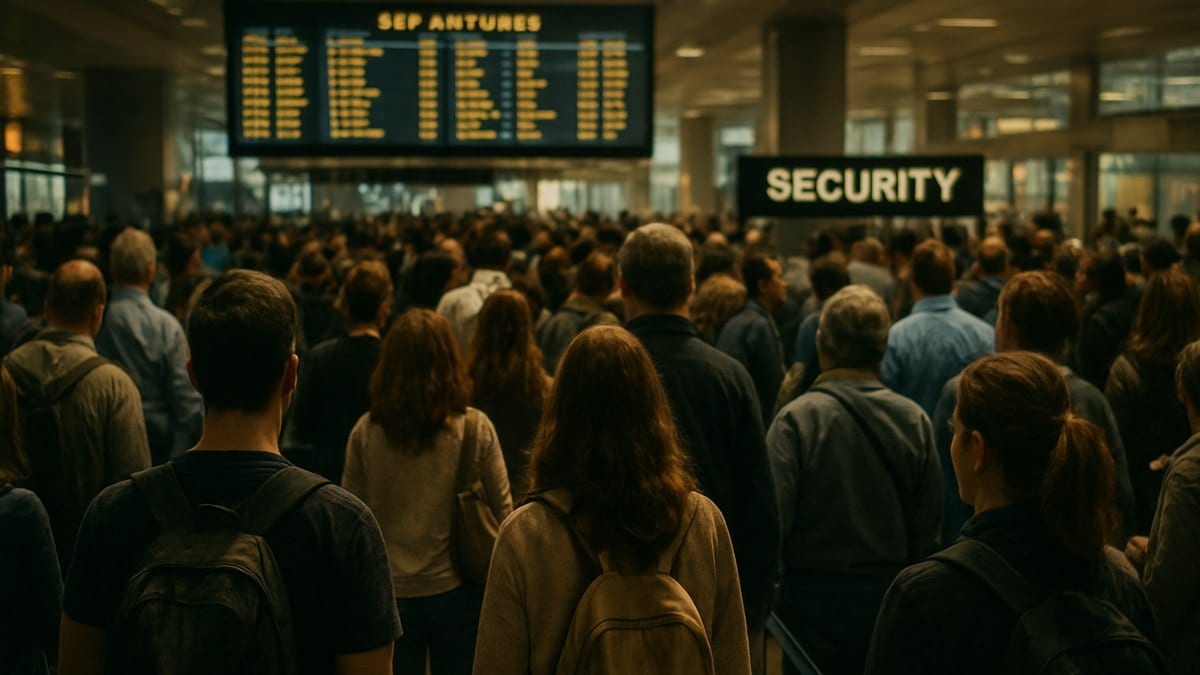
Disruption at Growing London Hub Hits Passenger Finances
The reported £357 loss comes against a backdrop of mounting pressure on London Stansted, which has been experiencing record passenger volumes and ongoing construction projects intended to increase capacity and modernise the terminal. Publicly available information from the airport operator shows that Stansted handled more than 30 million passengers in 2025 and has continued its growth trend into 2026, supported largely by low cost carriers and expanded route networks.
Reports from recent months describe extended queues at security and check in, along with occasional operational pinch points linked to staffing pressures and building works. One recent account detailed security wait times stretching to around two hours during peak periods, far beyond the airport’s typical service targets and long enough to put onward travel plans at risk for some passengers.
For the traveler who reported losing £357, costs are understood to include a combination of rebooked flights, missed accommodation and additional ground transport after a significantly delayed departure at Stansted undermined the original itinerary. Similar experiences shared online indicate that when delays create a domino effect of missed connections and prepaid reservations, the final bill for an individual passenger can quickly exceed the value of the original ticket.
The episode illustrates how even a single evening of disruption at a busy hub can translate into substantial personal losses for those without flexible bookings or comprehensive travel insurance, especially when journeys link low cost point to point flights rather than protected through tickets.
Why Many Stansted Delays Do Not Trigger Cash Compensation
The financial impact on the affected passenger also reflects the limitations of existing passenger rights rules in the United Kingdom and European Union. Under the retained version of EU Regulation 261/2004, travelers may be entitled to fixed sum compensation when flights are severely delayed, cancelled or overbooked, but only if the disruption is considered within the airline’s control and meets specific time thresholds.
Guidance from consumer rights organisations and flight claims services explains that compensation generally depends on the length of the delay on arrival, the route distance and the underlying cause of the problem. Technical faults, crew or aircraft misallocation and some operational decisions can give rise to compensation, while events such as adverse weather, air traffic control restrictions, airport infrastructure failures and certain strikes are usually classified as extraordinary circumstances that do not trigger cash payouts.
In several recent disruptions affecting Stansted, including incidents tied to terminal issues, staff shortages or third party worker strikes, publicly available advice has indicated that many passengers are not eligible for statutory compensation, even if their delay stretched to many hours. Instead, airlines are chiefly obliged to provide so called care and assistance such as meals, refreshments and hotel accommodation where necessary, as well as rerouting or refunds when flights are cancelled.
This framework helps explain how a traveler departing from Stansted in 2026 could incur £357 in knock on expenses but still be unable to claim reimbursement beyond limited care measures or a replacement flight, particularly if the root cause of the delay lay with airport operations or external factors rather than the airline itself.
Complex Patchwork of Rights Leaves Passengers Confused
The Stansted case also underscores how complicated it can be for ordinary travelers to understand what they are entitled to claim. Public guidance from the UK Civil Aviation Authority notes that passengers affected by substantial delays should in some circumstances receive meals, hotel stays or alternative transport, but the details vary according to distance, waiting time and the reason for the disruption.
Specialist compensation sites emphasise that even where cash payouts are not available, passengers may still recover certain out of pocket expenses if they can show that the airline failed to provide the assistance required under the rules. However, claims often require detailed documentation, persistence and sometimes recourse to alternative dispute resolution schemes or small claims courts, which can discourage people from pursuing relatively modest sums.
Commentary in consumer media has highlighted that low cost point to point travel models, such as those prevalent at Stansted, can leave passengers particularly exposed. When a delayed or cancelled flight causes a traveler to miss a non protected onward connection, a prebooked hotel or event ticket, those associated costs are rarely covered by air passenger legislation, even though the total loss, as in the reported £357 case, may significantly exceed the original airfare.
The result is a patchwork of protections in which some passengers receive fixed compensation for a few hours of delay, while others facing full trip disruption and hundreds of pounds in losses are left with limited recourse beyond any voluntary gestures from carriers or private travel insurance.
Mounting Scrutiny of Stansted Performance in 2024 to 2026
The latest reported loss adds to a period of intensified scrutiny of Stansted’s performance. Ranking exercises by travel and consumer outlets have in recent months placed the airport near the bottom of national league tables for punctuality and passenger satisfaction, citing average delay times in the region of 20 minutes and relatively low on time departure scores.
Analyses of UK airports have pointed to a combination of factors behind Stansted’s challenges, including its heavy reliance on tight turnaround, low cost operations and a concentration of departures in early morning and evening waves. These patterns magnify the impact of any bottlenecks in security screening, passport control or ground handling, with small disruptions quickly rippling across multiple flights.
At the same time, planning documents and operator statements show that Stansted is in the midst of a long term expansion and refurbishment programme, with work underway to extend its terminal and associated facilities in order to serve higher passenger caps well into the next decade. While these upgrades are intended to reduce crowding and improve resilience in the long run, they can temporarily restrict capacity in key areas, increasing the risk of queues and missed flights in the short term.
For passengers like the individual left £357 out of pocket, this transitional period means that travel from Stansted in 2026 may carry a higher risk of disruption than headline schedules suggest, especially at peak times or on days affected by staffing issues or industrial action among airport contractors.
Calls for Clearer Communication and Better Preparedness
The experience of the Stansted passenger has fed into wider calls from consumer advocates and travel commentators for clearer communication of rights, as well as more proactive management of disruption risks at major UK airports. Comment pieces have argued that when significant delays are forecast due to construction, staffing problems or industrial action, passengers should receive early and precise guidance about likely impacts and their options, rather than learning about the scale of disruption only once they arrive at the terminal.
There is also growing discussion about the role of travel insurance and booking strategies in mitigating financial exposure. Industry advice commonly recommends that travelers using airports such as Stansted consider policies that cover missed connections and prepaid arrangements, and that they allow additional buffer time where possible, particularly when linking separate low cost flights or starting long haul itineraries from regional hubs.
The reported £357 shortfall illustrates how, in the current system, much of the financial risk associated with airport level disruption still rests with individual passengers. Unless future regulatory changes expand the scope of mandatory compensation or impose clearer duties on airports as distinct from airlines, similar cases are likely to continue as traffic through Stansted and other busy hubs grows in the years ahead.