


More news on this day
StarCruises is turning Hong Kong’s peak travel months into a longer cruise season, expanding Star Voyager’s homeport deployment through autumn with short regional sailings aimed at weekenders, families and fly-cruise visitors.
Get the latest news straight to your inbox!
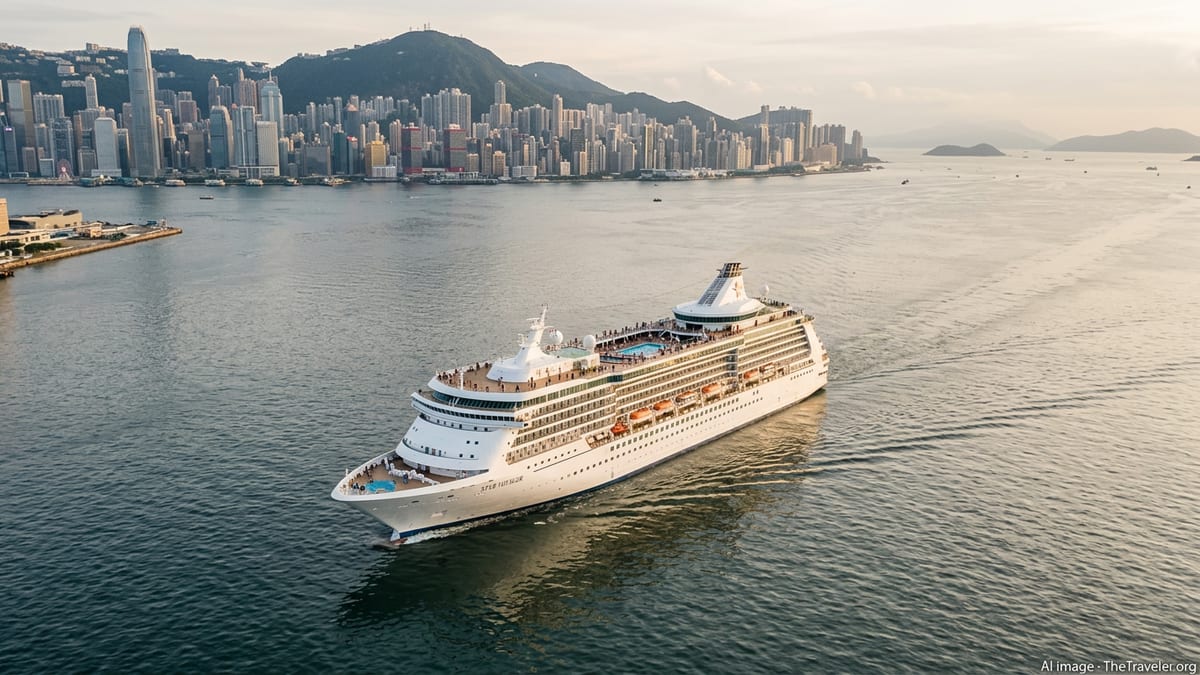
Extended deployment keeps Star Voyager in Hong Kong through November
Publicly available deployment information shows that Star Voyager, the mid-sized flagship of the revived StarCruises brand, is now scheduled to operate from Hong Kong’s Ocean Terminal from late June through mid-November. The move effectively stretches the traditional summer window into a five-month season that captures Hong Kong’s milder autumn weather and a series of regional holidays.
Press materials and industry coverage indicate that the 2025 schedule alone includes around 45 roundtrip departures from the city, with itineraries running up to 14 November. The company is positioning this longer stay as an opportunity for Hong Kong residents to slot in short cruises around school calendars, while also appealing to Mainland Chinese and overseas guests seeking a compact regional voyage anchored in a major air hub.
Reports on Hong Kong’s tourism recovery suggest that local authorities and the wider travel trade are aiming to rebuild the city’s pre-pandemic role as a gateway for Asian cruising. Star Voyager’s extended residency supports this narrative by providing a steady stream of turnarounds at Harbour City in Tsim Sha Tsui, a waterfront location that ties cruise passengers directly into the city’s shopping and entertainment districts.
Industry analysts note that an autumn-heavy deployment is relatively rare for a single ship in Hong Kong, where many brands traditionally focus on winter and Chinese New Year peaks. StarCruises appears to be betting that a mix of shorter itineraries and competitive pricing can smooth demand into October and November, when temperatures cool but the South China Sea remains navigable for popular near-port routes.
Short-break itineraries spotlight Okinawa, Taiwan and Vietnam
According to published itineraries, Star Voyager’s Hong Kong program is built around two to five night cruises, with frequent calls in Okinawa, Taiwan and Vietnam. Destinations such as Naha and Miyakojima in Japan, Keelung for Taipei, and ports including Da Nang and Ha Long Bay are recurring highlights, reflecting a focus on close-to-home routes that minimize sea days while offering a sense of escape.
Travel trade reports describe these itineraries as designed for flexibility. Two and three night sailings primarily target first-time cruisers and busy professionals seeking a quick getaway, while five night options cater to families and regional visitors who want a fuller holiday without the cost or time commitment of a long-haul voyage. The pattern aligns with a broader Asian trend toward shorter, high-intensity cruises that function as floating city breaks.
Autumn departures are expected to lean into seasonal themes, with school breaks and Golden Week-style holiday periods across parts of Asia providing natural booking spikes. Promotional material highlights duty-free shopping, casino gaming and live entertainment on board, positioning the ship as both transport and destination for travellers who may already be familiar with Hong Kong itself.
Observers point out that this route mix also allows StarCruises to respond nimbly to weather and operational constraints. By operating within a regional cluster of established ports, the line can adjust itineraries if storms or congestion affect individual calls, while still delivering multi-country experiences that appeal to international guests flying into the city.
Revived brand taps nostalgia and mid-sized-ship appeal
The StarCruises name carries long-standing recognition in Hong Kong and across Asia, and public reports on the brand’s revival under the Resorts World Cruises umbrella suggest that this heritage is a key part of its positioning. Many travellers in the region associate the brand with earlier generations of short cruises out of Hong Kong and other regional ports, a legacy the company is seeking to update rather than abandon.
Industry commentary describes Star Voyager as a mid-sized ship in a market increasingly dominated by mega-vessels. This scale allows StarCruises to emphasize a more intimate environment and easier navigation of the ship, potentially resonating with older guests and multi-generational groups. At the same time, the vessel is marketed with contemporary amenities such as specialty dining, kids’ facilities and entertainment venues intended to compete with newer rivals.
Reports on the Asian cruise segment note that mid-sized ships can be an advantage when serving ports with draft or berth limitations, and when threading busy coastal routes close to large urban centers. For Hong Kong’s autumn season, this flexibility may help maintain diverse itineraries without sacrificing operational reliability.
Analysts also suggest that positioning Star Voyager as a familiar yet refreshed product allows the company to bridge different customer segments. Long-time cruisers in the region may be drawn by the StarCruises name and past experiences, while younger travellers encounter the brand for the first time through social media content and package deals marketed by regional travel agencies.
Boost for Hong Kong’s evolving cruise and fly-cruise market
Coverage in regional travel media links Star Voyager’s extended Hong Kong deployment to broader efforts to strengthen the city’s cruise ecosystem. With the ship homeporting at Ocean Terminal, local businesses in Tsim Sha Tsui stand to benefit from increased footfall as passengers spend time in the area before and after their sailings, particularly during shoulder-season months when visitor numbers might otherwise soften.
Travel industry reports highlight that the program is tailored to the fly-cruise market as well as to local residents. Hong Kong’s extensive flight network across Asia, combined with easy surface connections from Mainland China, allows overseas guests to combine short cruises with urban stays. Autumn cruises, often priced below peak-summer levels, may be especially attractive to international travellers looking to avoid the hottest and most crowded months.
The extended season is also seen as a signal of confidence in Hong Kong’s capacity to support year-round or near year-round cruise operations. Other lines already schedule winter sailings from the city, and StarCruises’ decision to concentrate a long run into summer and autumn could encourage competitors to experiment with similar shoulder-season deployments in future years.
For now, the focus is on turning autumn into a core part of Hong Kong’s cruise calendar rather than an afterthought. With Star Voyager offering frequent two to five night departures, the city’s skyline is likely to see regular sail-aways deep into November, reinforcing Hong Kong’s status as both a destination and a launch point for short regional adventures.