


More news on this day
For a growing number of cruise passengers, the day does not begin with a leisurely breakfast on the pool deck but with an alarm clock and a line at the gangway. They are choosing to disembark as early as possible in port, trading an extra hour of sleep for quieter terminals, faster transfers and a head start on crowded destinations.
Get the latest news straight to your inbox!
Early Birds in an Era of Busier Cruise Ports
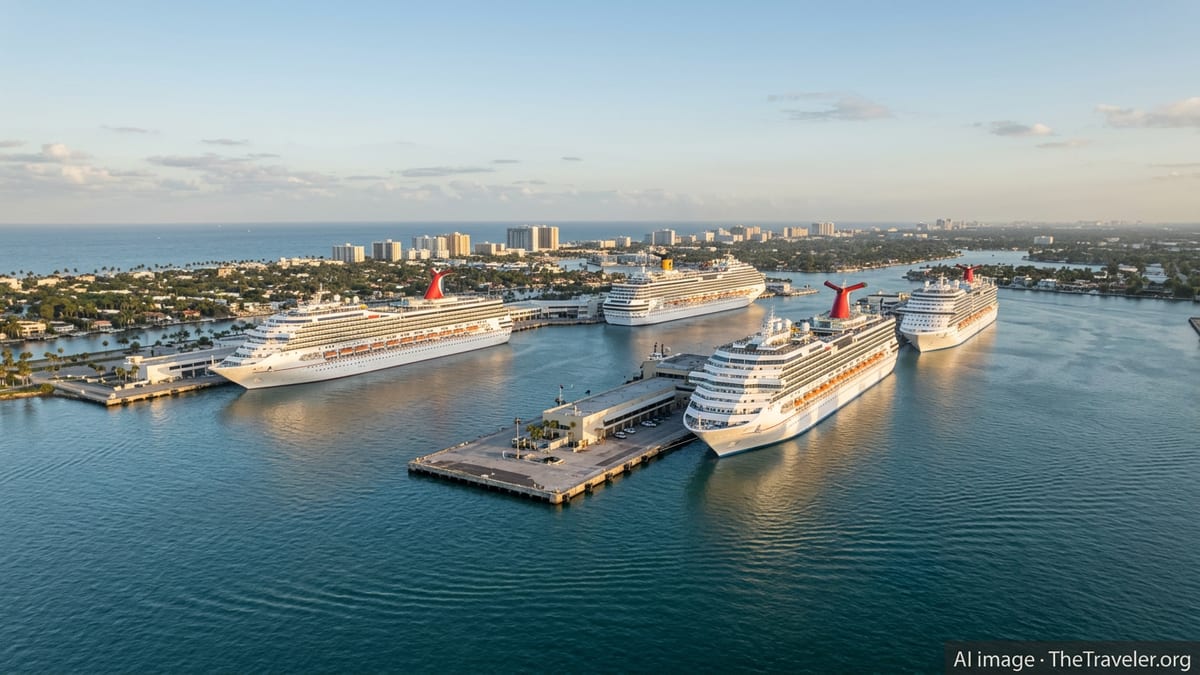
Recent seasons have brought larger ships and fuller itineraries to many cruise regions, including the Caribbean, Alaska and the Mediterranean. Travel industry data and port reports indicate that destinations such as Barcelona, Miami and several Caribbean islands are now managing multiple mega ships on the same day, each carrying thousands of passengers. For travelers, that can translate into longer lines at security checks, tender boarding areas and immigration desks as the morning progresses.
Getting off the ship soon after clearance is announced has become one way to avoid that congestion. Passengers who line up early typically move through the terminal more quickly, encounter shorter queues for taxis and ride share pickups, and reach independent tour operators before the bulk of the crowds. Many repeat cruisers say that stepping ashore during the first wave of disembarkation allows them to enjoy a brief window when streets, shops and waterfront promenades feel noticeably less crowded.
This early start can be particularly useful in ports where several ships are scheduled to arrive within a narrow time frame. Publicly available port calendars show that some Caribbean and Alaskan terminals can receive tens of thousands of visitors in a single morning. For travelers hoping to explore on their own, secure a scenic photo spot or visit a popular café before it fills, leaving the ship as soon as it is cleared has become a deliberate strategy rather than an inconvenience.
The early disembarkation pattern aligns with a broader shift toward travelers carefully planning port days hour by hour. As more people share online accounts of crowded mid morning gangways and backed up shuttle queues, others are adjusting their routines, opting to accept a shorter night of sleep in exchange for gaining more control over their time ashore.
Maximizing Short Port Calls and Shore Excursions
The trend toward early disembarkation is also tied to cruise schedules that compress a destination visit into just a few hours. Many mainstream itineraries offer port calls lasting six to eight hours, and in some cases less. Once time is allocated for tendering, immigration checks or local transport, travelers can find that the window for actual sightseeing or beach time is narrower than it appears on the itinerary.
Passengers who leave the ship near the start of the disembarkation period often gain an extra hour or more at their destination. That additional time can be significant for those planning to travel beyond the immediate port area, whether to a historic town a short train ride away, a wildlife viewing site accessed by bus, or a beach located on the opposite side of an island. Even for those staying close to the pier, arriving early often means being among the first to secure sun loungers, café tables or rental equipment before peak demand.
Reports from travelers indicate that independent tours and locally arranged excursions may especially benefit from an early start. While cruise line run shore excursions typically depart in organized groups, travelers arranging activities on their own often need to coordinate closely with local operators. Arriving promptly at the pier or meeting point can reduce the risk of missed departures and provide flexibility if there are last minute changes or delays.
Early disembarkation can also prove valuable on the final day of a voyage when passengers must clear the ship within a set timeframe. Travelers with midday flights or long overland journeys often request early departure slots or carry their own luggage off the vessel to move more quickly through the terminal. In busy home ports where several ships are turning around simultaneously, being among the first off can help reduce pressure around airport check in and security, particularly during peak travel seasons.
Navigating Security, Immigration and Tender Tickets
The practical benefits of getting off a cruise ship early are closely linked to how security, immigration and tender operations are managed at each port. In some destinations, local authorities require in person immigration checks in the terminal. Publicly available information shows that lines can build as thousands of passengers pass through a limited number of checkpoints, especially when several ships arrive at similar times.
Passengers who are among the first to disembark tend to move through these controls more quickly, reaching taxis, shuttles or public transport before queues lengthen. Travel accounts also note that early arrivals at taxi stands or ride share pickup zones can help cruisers secure vehicles at standard fares, whereas later in the morning supply may struggle to keep pace with demand.
In ports that rely on tender boats rather than direct docking, cruise lines often allocate tickets for early tenders to manage capacity. Travelers who collect these tickets promptly, or who hold priority status through cabin category or loyalty programs, usually reach shore well ahead of the main crowd. That head start can be particularly important in smaller ports where tender operations introduce an extra layer of waiting time both at the ship and at the pier.
While some travelers prefer a slower start to the day, those focused on maximizing time ashore are increasingly paying close attention to the ship’s disembarkation procedures. Reviewing printed schedules, onboard announcements and posted meeting times the night before has become part of many passengers’ routines, helping them decide how early they need to rise to claim an advantageous spot in line.
Trade Offs Between Sleep, Comfort and Value
Choosing to leave a cruise ship as early as possible involves trade offs that go beyond simple scheduling. Onboard, mornings can be some of the quietest and most relaxing times to enjoy amenities such as the pool, spa or uncrowded breakfast venues. Travelers who prioritize rest and onboard relaxation may view the extra hour in bed as integral to their vacation, particularly on longer itineraries where fatigue can accumulate.
For others, the calculation tilts in favor of making the most of each port day, especially when they have invested in excursions, car rentals or special experiences that depend on daylight hours. Some travelers note that with rising travel costs and airfare, maximizing each stop feels like an important way to capture the full value of the trip. Accepting an early wake up becomes part of that mindset, similar to catching a first flight of the day to extend time at a destination.
Health and comfort also enter the equation. Early disembarkation can reduce the amount of time spent standing in exposed queues on hot piers or in crowded terminal halls. Passengers traveling with children, older relatives or anyone sensitive to heat and humidity may find that moving through formalities before temperatures peak results in a more comfortable start to the day.
Ultimately, the choice reflects personal travel style. Some passengers design their cruises around shipboard amenities and leisurely mornings, while others view the vessel primarily as a moving base for exploring ports. For the latter group, setting an alarm and joining the first wave off the ship has become a routine part of cruise travel, seen as a small sacrifice that consistently delivers a calmer, more flexible day ashore.
How Cruise Lines Are Responding to Passenger Habits
Cruise companies have taken note of changing passenger behavior at disembarkation. Publicly available schedules and onboard materials show that many ships now provide detailed guidance about staggered departure times, recommended meeting points and luggage procedures to smooth passenger flow. Some lines highlight the advantages of self assisted early disembarkation, where travelers handle their own luggage in exchange for a faster exit.
Reports from recent sailings suggest that communication about crowding and timing is becoming more specific. Daily newsletters, in cabin announcements and mobile applications often outline when the busiest periods at the gangway and terminal are expected, as well as when local shops and attractions typically open. This information helps passengers decide whether to prioritize an early start or to wait until peak traffic passes.
In some ports, coordination between cruise operators and local authorities has led to adjusted arrival times, expanded terminal capacity or improved transport links. Added shuttle services, clearer signage and designated ride share zones are among the changes that can make leaving the ship early more efficient for those who choose that option. At the same time, lines continue to encourage a staggered approach to prevent bottlenecks at any single time of morning.
As cruise travel continues to grow in key regions, the question of when to get off the ship is likely to remain part of traveler planning. For passengers willing to trade a quieter morning for extra time ashore and fewer lines, early disembarkation appears to offer consistent advantages. In an era of crowded ports and tightly choreographed itineraries, many cruisers are deciding that the rough wake up is, more often than not, worth it.