


More news on this day
The U.S. State Department has renewed a broad security warning affecting Americans across the Middle East, advising heightened vigilance and preparing for sudden travel disruptions as regional tensions continue to influence air travel, on-the-ground security conditions, and consular operations.
Get the latest news straight to your inbox!
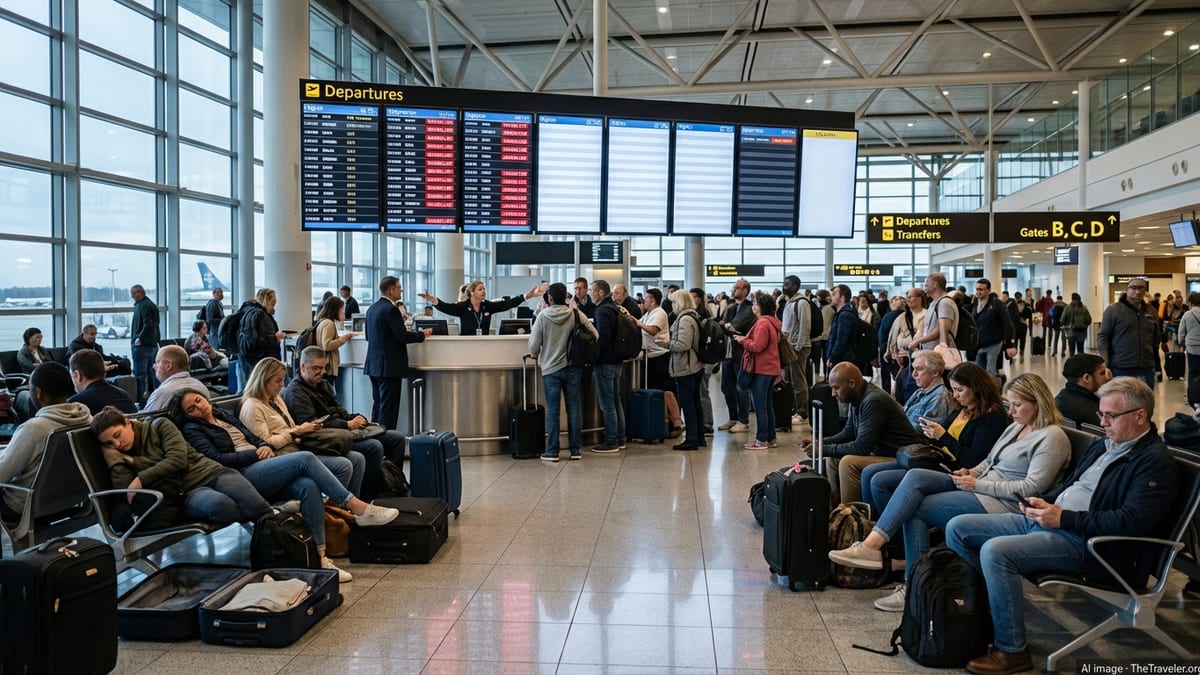
What the State Department alert says and why it matters now
The State Department’s most recent “Worldwide Caution” notice, dated July 22, 2026, urges Americans abroad to exercise increased caution and calls special attention to risks that can affect travelers in the Middle East. The notice highlights the possibility that Iran or Iran-aligned groups could target U.S. interests or locations associated with Americans, and it emphasizes that conditions can shift quickly across multiple countries.
For travelers, the practical implications are often less about a single, pinpointed threat and more about cascading disruptions: flight cancellations, periodic airspace closures, and other mobility constraints that can make it difficult to depart on short notice or reroute around affected corridors. The Worldwide Caution message explicitly flags those possibilities for Americans currently in the Middle East.
Alongside the Worldwide Caution, the State Department also maintains a Middle East-focused resource page for U.S. citizens that compiles region-wide guidance and directs travelers to the latest destination-specific updates, including embassy Security Alerts and country Travel Advisories.
How travelers should interpret “Worldwide Caution” versus country advisories
A Worldwide Caution is not the same as a country Travel Advisory level, and it does not automatically change the advisory level for any specific destination. Instead, it serves as a broad, time-bound alert tied to global or regional events that may affect Americans in multiple countries at once.
Country Travel Advisories remain the State Department’s primary destination-by-destination guidance, using a four-level scale from Level 1 (Exercise Normal Precautions) to Level 4 (Do Not Travel). Travelers planning Middle East itineraries should check each country’s advisory, then pair it with any active Security Alerts posted by the nearest U.S. embassy or consulate.
Recent advisory updates underscore how quickly conditions can evolve in particular places even when a broader regional message is already in effect. For example, the Saudi Arabia Travel Advisory shows a Level 3 “Reconsider travel” update dated September 15, 2026, citing risks that can include missile and drone threats, armed conflict concerns, and other security factors that may affect visitors and transit passengers.
What can change quickly: flights, airspace, and airport operations
For Americans in or transiting the region, one of the most immediate concerns in periods of elevated tension is air travel reliability. Even when airports remain open, carriers may adjust schedules, shift routings, or cancel services with limited notice based on real-time assessments, insurance requirements, and airspace availability.
The State Department’s Worldwide Caution explicitly notes that Americans in the Middle East should be prepared for flight cancellations and periodic airspace closures. Those conditions can lead to longer itineraries, additional security screening, and last-minute gate or terminal changes, especially for travelers connecting through major hubs.
Travelers with complex itineraries are generally best positioned when they confirm entry and transit requirements for every stop and layover, keep digital and printed copies of key documents, and maintain flexibility for overnight airport stays or sudden reroutes. The State Department’s destination pages and embassy Security Alerts are often the fastest way to see whether local operating hours, appointment availability, or movement restrictions have changed.
Steps the State Department recommends for Americans in the region
The State Department’s Middle East consular information hub emphasizes staying connected to official updates and receiving local Security Alerts. A central recommendation is enrolling in the Smart Traveler Enrollment Program (STEP), which allows travelers to receive security messages from the relevant U.S. embassy or consulate and helps establish a communications channel in emergencies.
Travelers are also encouraged to review their destination’s Travel Advisory and the “Security Alerts” stream for the specific city or country they are in, rather than relying on general social media posts or unofficial forwarding chains. In fast-moving situations, localized guidance can be more actionable, including information about demonstrations, road closures, or temporary changes to consular services.
Because the Worldwide Caution highlights potential targeting of U.S. interests, travelers may also choose to apply common-sense risk reduction measures such as limiting time in crowded or highly symbolic locations when tensions spike, maintaining a low profile, and having a plan for communicating with family and employers if mobile networks are strained.
What this means for trips you have booked this fall
For Americans with upcoming Middle East travel in late September and October 2026, the key planning question is not only whether a destination remains open to tourism, but how resilient your itinerary is if the operating environment changes quickly. That includes evaluating connection points, the number of airlines available on your route, and whether you can shift departure dates without major penalties.
The State Department’s guidance points travelers to official government channels for the latest security updates and to destination-level advisories for a clearer picture of risk in specific locations. For some trips, that may mean adjusting travel timing, choosing alternative gateways, or building in extra days to accommodate potential disruptions.
At the same time, a broad alert does not automatically mean every location is unsafe or that travel is impossible. It does mean travelers should actively monitor official updates, be prepared for sudden changes in aviation and ground conditions, and make sure they can pivot quickly if a route, airport, or airspace corridor becomes unavailable.