


Buying FWD travel insurance is easy. Getting a claim paid can be harder if you have misunderstood the fine print, skipped key add ons or made small choices that quietly weaken your cover. Whether you are booking a weekend in Bangkok or a three week Europe trip, knowing what not to do with your FWD policy is just as important as choosing the plan itself. This guide walks through common real world mistakes travelers make with FWD travel insurance and what to do differently if you want your protection to hold up when something actually goes wrong.
Get the latest updates straight to your inbox!
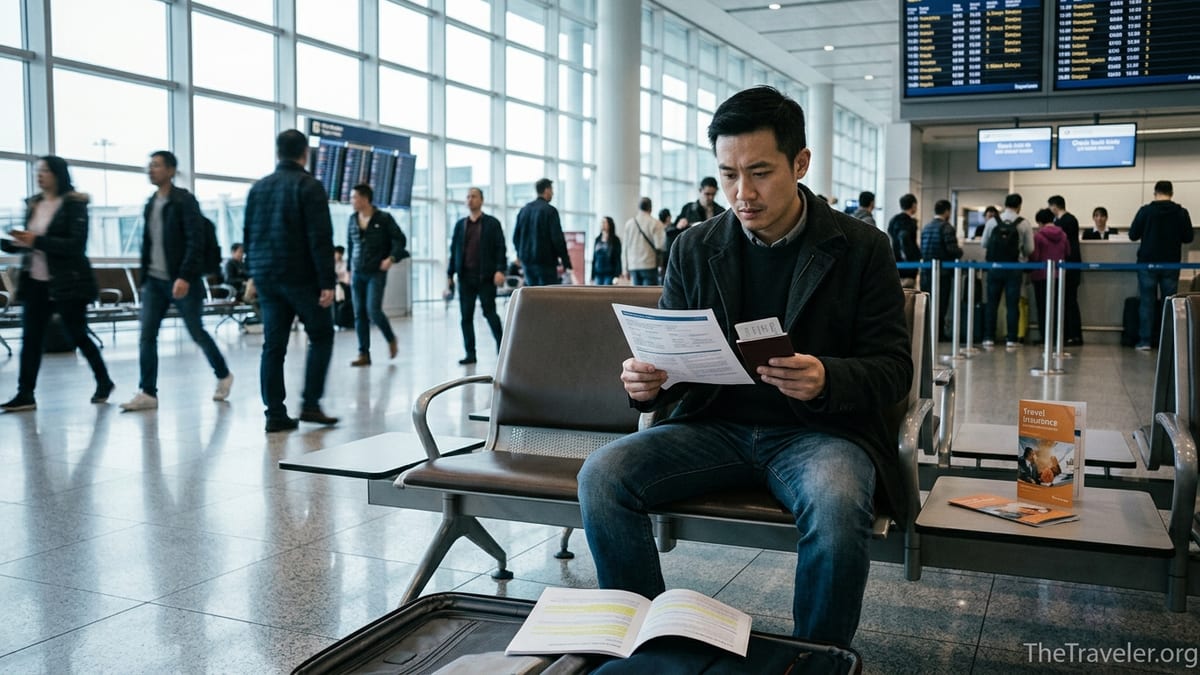
Stop Treating All FWD Travel Policies as Identical
One of the biggest traps is assuming every FWD travel product or region works the same way. FWD Group sells travel insurance across markets like Singapore, Hong Kong, Thailand and the Philippines, usually through local entities or partners. A Singapore single trip plan with options such as Pre existing Medical Conditions cover and COVID 19 Enhanced Travel Benefits is not the same product as a Hong Kong TravelCare Plus plan underwritten by Bolttech Insurance. The marketing might look similar, but the limits, add ons and exclusions are tailored to each market’s rules and typical trips.
Imagine a Singaporean couple booking a ski trip to Hokkaido. They quickly search “FWD travel insurance,” see an article about FWD MyTravel Insurance in Hong Kong that highlights cancel for any reason and high limits for sports equipment, then assume their Singapore issued policy must work the same way. In reality, the Singapore policy wording may treat certain winter sports as leisure activities but will not necessarily have the same level of gear cover or the same cancellation flexibility. If they file a claim expecting “up to 80 percent protection for sports equipment” they saw in a Hong Kong comparison, they could be disappointed.
The smarter move is to download the specific policy wording for your country of residence and the exact plan name shown at checkout before you pay. For example, a Singapore based traveler should read the current FWD Travel Insurance Policy Wording V4 (for policies issued after April 2024) and check sections on trip cancellation, trip cut short and medical coverage rather than relying on blog posts that may describe different markets or older versions. Doing this once for a big trip can save you hours of arguing at claim time.
This also matters when you buy through comparison sites or credit card portals that feature FWD as one of several options. Those platforms sometimes summarise benefits in a generic way. Only the underlying policy wording published by FWD in your jurisdiction will govern your claim. Treat that document as your reference point, not a generic “FWD travel insurance” label.
Stop Ignoring Pre Existing Conditions and Optional Medical Add Ons
Another frequent mistake is assuming your usual health issues are automatically covered. FWD explains in its Singapore help centre that pre existing medical conditions are excluded under the standard travel policy unless you add the optional Pre existing Medical Conditions cover. This add on can cover trips up to certain durations, such as 30 days for single trip plans and 45 consecutive days per trip for annual plans, but you must deliberately choose and pay for it at purchase time.
Consider a traveler in their 60s with stable high blood pressure and diabetes, planning a 14 day tour of Italy. They buy FWD’s basic travel policy online in under five minutes and never click into the option for pre existing conditions because they assume their “controlled” illnesses are not a concern. On day five, they suffer a minor heart issue in Florence and are hospitalised. Without the pre existing conditions add on, FWD can treat this as excluded because the hospitalisation is directly or indirectly linked to a known condition. A five hundred dollar premium saving can quickly turn into a bill of several thousand euros.
The same logic applies to travelers recovering from recent surgery, managing cancer in remission or seeing a specialist regularly. FWD’s wording typically defines pre existing conditions broadly, often including any illness or injury for which you have received treatment, medication or advice before the policy start date. Even something that feels minor to you can fall under that definition. If there is any doubt, call FWD or your adviser and ask whether you need the optional pre existing cover, and read the specific list of what it does and does not include.
Finally, do not overlook limits on follow up medical care when you return home. For example, FWD Singapore’s travel policy sets a time limit on how long post trip treatment can be claimed after you come back, often 30 days for ongoing treatment related to an overseas injury or illness if you seek care within 48 hours of returning. If you stretch out scans or physio for months after you get back, expecting the travel policy to pay, you may find the coverage window has quietly closed.
Stop Buying Too Late or For the Wrong Trip Details
Timing matters far more than many travelers realise. FWD and other insurers typically require you to purchase travel insurance before you leave your home country, and some benefits only apply if you buy within a specific window after booking your trip. For example, cancel for any reason style benefits, where available, often need to be added relatively soon after your first trip payment instead of just before departure. Waiting until the night before your flight can mean you lose access to some of the most flexible protections.
There are two kinds of timing mistakes that show up regularly. The first is buying after a problem is already known. In one online example, a business traveler insured with FWD found that trip cancellation for a Middle East itinerary was not payable because the flight was more than 30 days after the start of a widely reported conflict. The war was treated as a known event, and the policy excluded cancellations tied to it once it was already in the news. Buying or upgrading cover after a volcano erupts, a war breaks out or a new advisory is issued will not retroactively protect you from that problem.
The second mistake is entering the wrong region, dates or traveler details and never correcting them. A Singaporean traveler recounted buying FWD cover for the wrong region on a comparison site. When they later tried to claim for medical expenses incurred in the actual destination, the claim was declined because the region selected did not match where they traveled. FWD did the fair thing and refunded the premium once the error was discovered, but there was still no cover for the trip. A two minute double check at purchase time would have avoided the gap.
If you realise you have made an error in your FWD policy details, contact the insurer as soon as possible, ideally before departure. In many cases, they can cancel and re issue or adjust your policy if the request comes early enough and no claim has been made. Leaving it until after something goes wrong gives them little room to help you.
Stop Assuming Trip Cancellation Covers Every Reason
Trip cancellation and trip cut short benefits often cause the most confusion. Standard FWD policies list specific “covered reasons,” such as serious illness or injury, death in the family, natural disasters affecting your accommodation or unexpected redundancy. They also list events that are clearly not covered, including cancellations caused by war, civil unrest, travel against government advisories or operational decisions by airlines.
Some FWD products in certain markets, such as Hong Kong’s MyTravel superior tier, advertise cancel for any reason styled protection, where travelers can recover a percentage of prepaid costs even if the cause of cancellation is not on the usual list. Yet even these flexible options come with conditions. For example, the benefit may only reimburse up to 50 percent of non refundable transport and accommodation up to a capped amount, and it may still exclude triggers like war or known events that existed before you bought the policy. Buying a superior tier plan and then cancelling because of a widely reported strike that was already in the news when you bought the ticket can still lead to a declined claim.
It is also important to understand what FWD will not pay under trip cancellation and trip disruption. Recent Singapore wording clarifies that the insurer will not cover any expenses you incur to upgrade yourself to a better class or category of transport or accommodation compared to your original itinerary, will not reimburse any costs already refunded in any form (cash, voucher, credits or miles), and will not pay additional travel expenses if you did not have a return ticket to Singapore in your original booking. That means changing a budget airline ticket to a full service carrier or upgrading from an economy room to a suite to escape a storm might be comfortable, but you should not expect the extra cost to be reimbursed.
To use these benefits effectively, work backwards from the wording. Before you change flights or cancel, read the section on trip cancellation or disruption and identify which clause might apply to your situation. If the trouble is due to an airline’s rescheduling or crew rotation rather than a covered peril like weather or mechanical breakdown, FWD and other insurers may treat it as the airline’s responsibility rather than an insurable event. In practice, this means your first port of call is still customer service at the airline or booking platform, with travel insurance filling the gaps only where the policy specifically says so.
Stop Overclaiming or Choosing the Most Expensive Solution
Another subtle mistake is assuming that if something goes wrong, you can make choices freely and claim everything later. FWD policies, like many competitors, generally require you to act in a way that keeps costs reasonable and necessary. Claims handlers often compare your chosen solution with cheaper realistic alternatives. If you picked an option that costs far more than necessary to fix the immediate problem, they can reduce or even deny part of your claim.
Travelers have shared experiences where a claims officer asked them to justify why they chose a particular rerouted itinerary or hotel during a disruption, and in some cases even requested repayment of overpaid amounts once a detailed review was done. Conversely, some travelers who deliberately took a cheaper option than the one technically covered found that FWD was willing to approve claims on an exceptional basis because their decision had clearly reduced the overall cost.
Imagine you miss a connection due to a mechanical delay. Your original itinerary was on a full service carrier with an economy ticket. The airline offers a rebooked flight 12 hours later, plus hotel and meal vouchers. If you instead book yourself a business class seat on a different airline taking off in two hours, the incremental fare difference could be many hundreds of dollars. FWD’s wording on trip disruption explicitly says it does not cover upgrades to a better class than in your original itinerary, so the most you can reasonably expect is reimbursement at an economy level, and even that usually requires the airline solution to be unavailable or inadequate.
The practical rule is to think like a claims officer at the time of the incident. Ask yourself: is there a reasonably priced option that solves the problem, even if it is less convenient? If yes, that is usually the one your insurer expects you to take. Keep receipts, boarding passes and any written statements from airlines, hotels or tour operators that show what they offered and why you had to book alternatives. Claims teams are far more likely to approve a reimbursement that clearly aligns with the least costly workable option.
Stop Forgetting About Add Ons Like COVID 19 and Adventure Sports
Many travelers still assume that all COVID 19 or sports related risks are included by default, but with FWD those protections are often optional extras or have very specific limits. For example, FWD Singapore sells a COVID 19 Enhanced Travel Benefits add on that covers certain costs if you test positive abroad, such as additional accommodation if you are not allowed to board your original return flight. However, the company’s help pages make it clear that some scenarios remain excluded, including testing positive without any documented expenses or ignoring local health regulations.
In practice, this means that a traveler who tests positive for COVID 19 at a pre departure test but chooses to stay with friends without incurring extra hotel nights or flight change fees will likely have nothing to claim, even with the add on. By contrast, someone who must rebook their return flight, pay for extra hotel nights at the same standard as their original trip, and obtain local medical confirmation of infection could be reimbursed within the stated limits. The difference lies in documented, reasonable extra costs, not in the mere fact of testing positive.
Sports coverage is another area where assumptions clash with reality. FWD’s travel products often promote coverage for leisure and amateur sports like recreational skiing, scuba diving within depth limits or hiking on marked trails. Yet activities such as mountaineering with ropes, competitive races, motor sports or off piste skiing without a guide may be excluded or only covered under higher tier plans. A traveler booking an Everest Base Camp trek, for example, should not rely on the same cover that works for a casual ski weekend in Niseko. They would need to confirm whether high altitude trekking is covered, to what elevation, and whether any special endorsements are required.
Before you finalise your booking for a cruise, dive trip or adventure tour, cross check the activities against the sports or activities section of your FWD policy. If something is not clearly listed as covered, assume it is not and ask for written clarification or consider buying a specialist adventure policy elsewhere. It is far better to pay a bit more upfront than to discover after a helicopter evacuation that your chosen climb counts as an excluded “hazardous sport.”
Stop Treating FWD as a Substitute for Airline or Operator Protections
Travel insurance, including FWD’s offerings, is meant to complement, not replace, the obligations of airlines, cruise lines, tour operators and online agencies. Policy wordings often state that any amounts you receive from other sources, such as vouchers, refunds or frequent flyer miles, will be deducted from your claim. In recent Singapore documentation, FWD specifies that it will not pay amounts that have already been refunded in any form, including airline credits or loyalty points.
In real life this can lead to confusion. Suppose a low cost carrier cancels a flight due to operational reasons, then offers to rebook you on the next available flight or gives you a travel credit equal to the ticket price. If you decide that the alternatives are unacceptable and book yourself on a different airline, you may hope FWD will reimburse the entire cost. However, because the original airline has already offered a remedy and the cancellation stems from its own operations rather than a covered peril like bad weather or mechanical breakdown, FWD may treat the extra cost as your own choice rather than an insurable loss.
The same applies to hotel and tour cancellations governed by their own terms and conditions. If a tour operator cancels a package due to low numbers but offers a full refund or alternative dates, there is typically nothing left for travel insurance to pay. FWD’s trip cancellation benefits are designed to cover genuinely non refundable prepaid costs when specific insured events occur, not to top up refunds you are already due under consumer law or contracts.
The practical approach is to always pursue remedies with transport providers and accommodation first. Collect written confirmations of cancellations, refunds and credits, and then submit whatever non refundable remainder is left to FWD. Think of the insurer as the last layer that catches what the airline, hotel or tour company does not, rather than as a first resort for every change or disruption.
The Takeaway
FWD travel insurance can offer solid value in markets like Singapore and Hong Kong, especially for travelers who want straightforward online purchase and optional extras such as pre existing medical cover, COVID 19 benefits or cancel for any reason style protection in certain plans. Where many people go wrong is not with FWD itself but with how they buy and use the policy: assuming all FWD products are alike, skipping critical add ons, purchasing too late, or expecting the insurer to pay for every inconvenience regardless of the fine print.
If you want better coverage, shift your habits before your next trip. Download and read the current policy wording for your exact market and plan, check whether your health conditions and planned activities are covered, and buy early enough to activate the strongest cancellation benefits. When disruption strikes, choose reasonable solutions, document everything and remember that airlines and operators remain your first line of recourse. Treat FWD as a safety net built around specific insured events, not as a blank cheque.
By stopping these common mistakes and approaching FWD travel insurance with clear eyes, you give yourself the best chance that when you do need to claim, the protection you paid for will actually be there.
FAQ
Q1. Does FWD travel insurance automatically cover my pre existing medical conditions?
No. In most markets, standard FWD travel policies exclude pre existing conditions unless you add a specific Pre existing Medical Conditions cover and meet its conditions and duration limits.
Q2. If I buy FWD travel insurance after news of a war or natural disaster, will trip cancellation still be covered?
Usually not. Once an event becomes publicly known, many policies treat related disruptions as foreseeable or a known event, and trip cancellation benefits for that cause are commonly excluded.
Q3. Are cancel for any reason benefits the same on all FWD travel plans?
No. Only certain higher tier products in specific markets offer cancel for any reason style cover, and even then reimbursement is typically partial, capped and subject to exclusions like war or illegal travel.
Q4. Will FWD reimburse me if I choose business class or a luxury hotel when my trip is disrupted?
Generally, no. FWD wording usually states that upgrades to a better class of transport or accommodation than your original booking are not covered, so only equivalent, reasonable costs are considered.
Q5. Does FWD travel insurance cover all flight delays and airline schedule changes?
Coverage is normally limited to specific causes such as bad weather, strikes or mechanical breakdown, and may exclude purely operational schedule changes, crew rotation or airline convenience adjustments.
Q6. If my airline or hotel gives me a voucher or refunds part of my booking, can I still claim that amount from FWD?
No. FWD generally will not pay for any portion that has already been refunded or compensated in any form, including cash, vouchers, credits, points or miles from service providers.
Q7. Are adventure activities like high altitude trekking or motor sports covered by default?
Not usually. FWD policies tend to cover leisure activities but may exclude hazardous or professional sports unless specifically included, so you should check the activities list before booking adventurous trips.
Q8. Is COVID 19 coverage always included in FWD travel insurance?
No. COVID 19 benefits are often provided through optional add ons or within defined limits, and they typically require documented extra costs such as medical care or enforced trip extensions to be claimable.
Q9. Can I correct mistakes in my FWD policy, such as wrong region or dates, after I have started my trip?
Once the trip has started or a claimable event has occurred, changing key policy details is difficult. You should contact FWD immediately when you spot an error, ideally before departure, to see if it can be fixed.
Q10. Is reading online reviews enough to understand how my FWD travel policy works?
No. Reviews and forum posts can highlight patterns and pitfalls, but only the official policy wording and any written clarifications from FWD define what is actually covered for your trip.