


More news on this day
Tropical storms Boris and Cristina are driving a multi-country emergency across Central America, with severe flooding, landslides and coastal damage reported from Mexico and Costa Rica to Colombia and Ecuador, disrupting tourism flows and crippling key transport corridors at the start of the region’s mid-year travel season.
Get the latest news straight to your inbox!
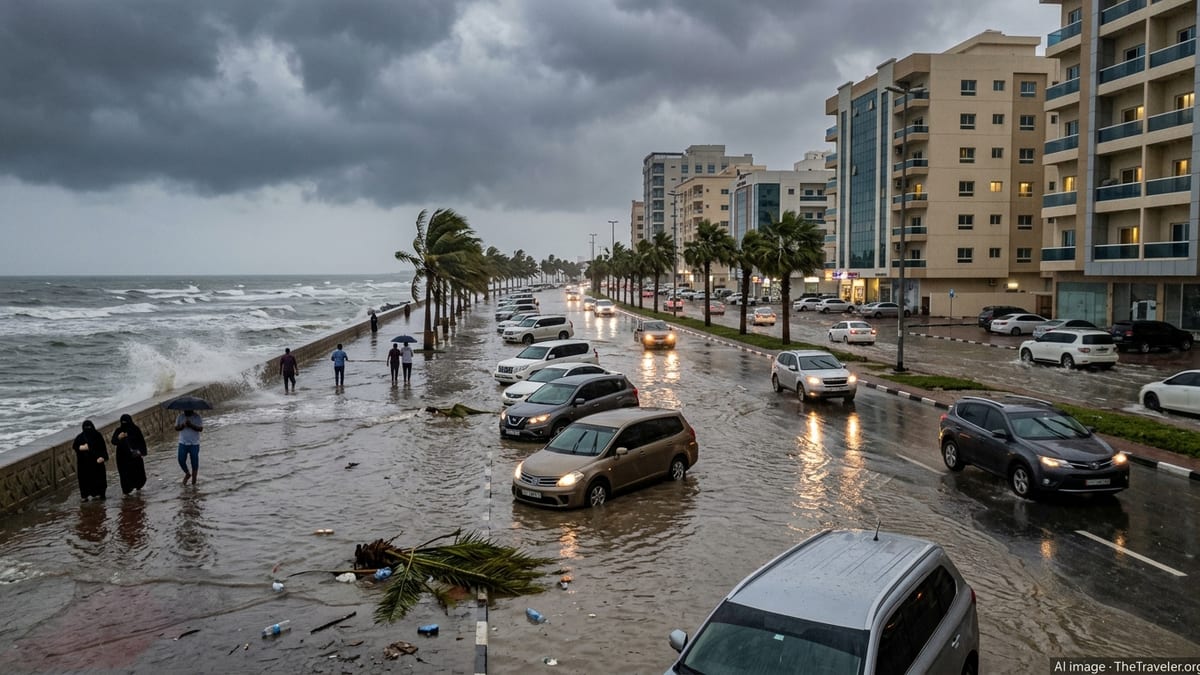
Floods, Landslides and Coastal Damage From Mexico to Costa Rica
Publicly available meteorological data show that Boris came ashore earlier this week along Mexico’s southern Pacific coast with intense rainfall, while Cristina has been lingering just off the Central American shoreline, sending repeated bands of heavy rain into Nicaragua, Honduras, El Salvador and Guatemala. Combined with an already active Intertropical Convergence Zone, the two storms have saturated river basins, triggering flash floods and slope failures across mountainous terrain.
Local media in Mexico have documented overflowing rivers, isolated communities and washed-out secondary roads in parts of Guerrero and Oaxaca following Boris’ landfall. In several municipalities, hillside neighborhoods have reported landslides and debris flows after days of continuous rain, with emergency crews working to reopen blocked roads and restore basic services.
Further south, coverage from Costa Rica describes persistent downpours, swollen rivers and strong Pacific swells associated mainly with Cristina. Several coastal districts in Guanacaste and the central Pacific region have seen flooding of beach communities, damage to waterfront infrastructure and localized power outages, with images circulating of flooded hotel access roads and inundated low-lying neighborhoods.
Regional disaster bulletins for Colombia and Ecuador indicate that the same broad plume of tropical moisture contributing to Boris and Cristina’s development has intensified rainfall along parts of the Pacific coast and Andean foothills, provoking rivers to rise rapidly and heightening the risk of mudslides in rural areas and along key highway corridors.
Tourism Hotspots Face Closures and Cancellations
The timing of the storms is especially damaging for the tourism industry, coinciding with early northern hemisphere summer travel and school holidays in several source markets. In Mexico, resort areas along the southern Pacific coast have reported beach closures due to dangerous surf and rip currents, while some smaller coastal hotels have temporarily shut their doors because road access is compromised or utilities remain unstable.
In Costa Rica, travel advisories from airlines and tour operators highlight delays and rebookings for flights serving Liberia and San José, particularly for itineraries that include domestic connections to Pacific coastal airstrips. Rafting, canyoning and rainforest trekking excursions in the northern zone and central highlands have been widely suspended amid elevated river levels and concerns about unstable slopes along access trails.
Inbound tour operators covering multi-country trips through Guatemala, El Salvador, Honduras and Nicaragua are adjusting itineraries away from mountain routes and low-lying coastal segments where highways are intermittently cut by washouts or flooded river crossings. Some overland routes connecting to Belize and onward to Mexico’s Yucatán Peninsula have also experienced disruptions, adding complexity to regional backpacking circuits and packaged bus tours.
Travel industry reports from Colombia and Ecuador point to temporary closures of certain Pacific beaches because of rough seas and localized flooding, as well as cautionary guidance for visitors heading into Andean countryside areas where roads may be at risk from rockfalls and landslides.
Transport Networks Struggle Under Prolonged Rainfall
Road and bridge damage is emerging as one of the most immediate constraints on mobility. In Mexico, transport updates indicate portions of coastal highways in Guerrero and Oaxaca reduced to a single lane or closed entirely due to landslides and collapsed shoulders. Rural communities dependent on river crossings and mountain roads are seeing delivery delays for food, fuel and medical supplies.
Across Central America’s narrow isthmus, where many national highways hug river valleys or mountain slopes, even minor slope failures can block key intercity links. Reports from Honduras and Guatemala describe freight trucks stranded for hours as crews clear debris, while bus companies reroute services or suspend night operations on particularly exposed stretches.
Rail infrastructure is limited in much of the region, but in Costa Rica and Panama, authorities are inspecting embankments and drainage along active freight and commuter lines where rainfall totals have been especially high. Urban public transport systems in capital cities have continued operating, yet some suburban routes are curtailed where streets are waterlogged or bridge approaches are compromised.
Airport infrastructure has generally remained intact, but poor visibility, thunderstorms and crosswinds associated with the storms have led to periodic flight delays and diversions. Seaports along the Pacific coast from Mexico to Panama are also dealing with periods of suspended small-craft operations because of high seas and strong onshore winds, affecting coastal ferry services and local fishing fleets.
How Long Could the Travel Disruption Last?
Forecast discussions from regional and international meteorological centers suggest that Boris is weakening over land while Cristina is gradually drifting away from the Central American coast, but both storms have left behind extremely saturated ground and elevated river levels. Even if direct cyclone impacts ease within days, the risk of additional landslides and flash floods is likely to persist through at least the coming week as scattered heavy showers continue.
For transport and tourism, the recovery timeline will vary sharply by location. In major cities and primary tourist hubs with robust infrastructure, such as large coastal resorts or capital-region hotels, cleanup and restoration of services can often be completed within several days once rainfall diminishes. Beach access may reopen relatively quickly, although lifeguards and local authorities typically keep red flags in place until surf conditions normalize.
In contrast, interior mountain regions, rural communities and ecotourism destinations dependent on unpaved roads and river crossings may face weeks of limited access. Rebuilding washed-out road segments, re-establishing safe hiking and rafting conditions and stabilizing slopes above key transport routes can extend well into the remainder of June and potentially into July if additional heavy rains occur.
Travel planners monitoring the situation across Mexico, Central America and the northern Andes note that airlines and larger hotel chains tend to restore normal operations quickly once airports and main roads are secure, while smaller operators in remote areas may need significantly more time. Travelers with trips scheduled in the next two to three weeks are being encouraged to maintain flexible itineraries and stay in close contact with providers for route changes or rescheduling options.
What Travelers Should Expect in the Weeks Ahead
For visitors already in affected countries, the most immediate changes involve altered routes, longer travel times and temporary closures of high-risk attractions. Coastal travelers can expect intermittent beach and maritime restrictions where strong currents and high waves continue, alongside ongoing cleanup of debris and erosion in beachfront zones.
Overland travelers moving between Mexico, Guatemala, Belize, Honduras, El Salvador, Nicaragua, Costa Rica and Panama may encounter detours, reduced bus schedules and occasional last-minute cancellations on secondary routes. Road conditions can change rapidly following localized downpours, so same-day verification of routes and travel times is likely to remain important for at least the next couple of weeks.
In Colombia and Ecuador, most international gateways and core urban tourism products are expected to function with only minor interruptions, but travelers heading to Pacific coastal towns or rural Andean regions may see heightened caution around river-based excursions and hillside road journeys. Tour companies are likely to conduct additional safety inspections and to impose stricter weather cutoffs for adventure activities.
Overall, the transition from emergency response to full recovery will depend not only on the dissipation of Boris and Cristina but also on the broader pattern of Pacific and Caribbean rainfall through late June. If conditions stabilize, many mainstream travel routes across Central America could return to near-normal operations within two to four weeks, though some of the hardest-hit rural and coastal communities may continue dealing with disrupted access and reduced visitor numbers well into the regional rainy season.