


More news on this day
With global cruise passenger numbers hitting new highs in 2025 and more than a dozen additional ships entering service in 2026, first-time travelers have a wider choice of beginner-friendly itineraries than ever, especially across the Caribbean and Mediterranean.
Get the latest news straight to your inbox!
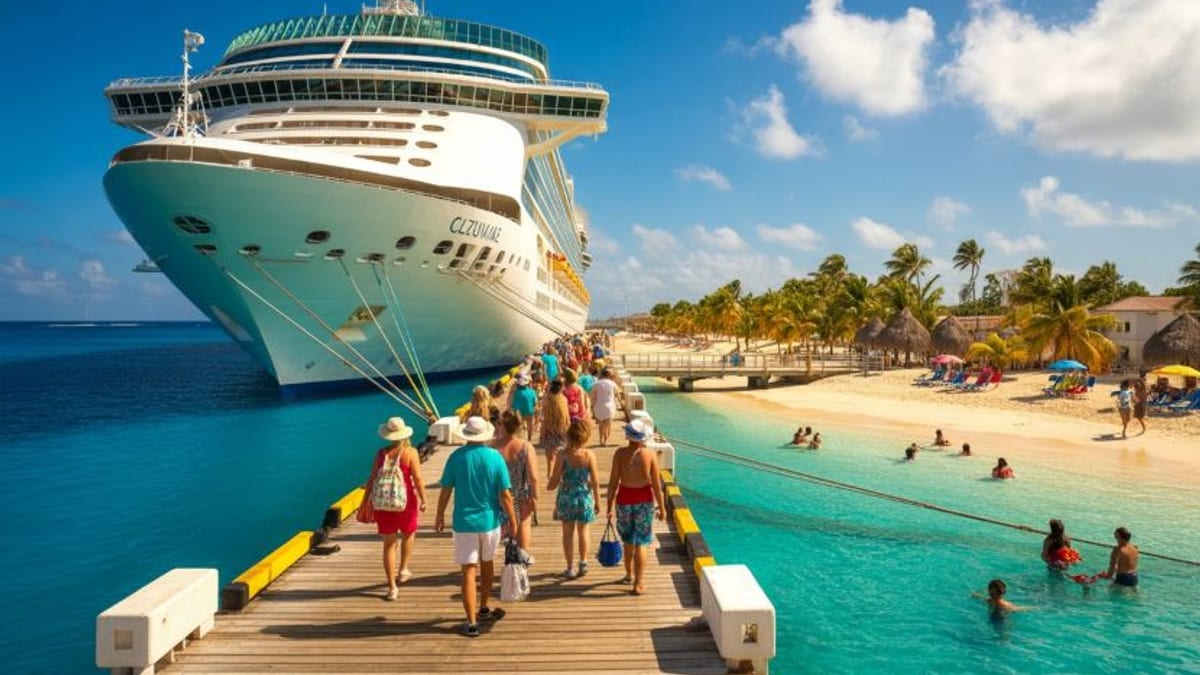
Why 2026 Is A Pivotal Year For New Cruisers
Industry outlooks for 2026 point to record demand, with trade data indicating that cruise passenger volumes reached all-time highs in 2025 and a majority of guests intend to sail again. At the same time, analysts note that younger and first-time travelers are an increasingly important segment, shaping how cruise lines design itineraries, onboard amenities and pricing.
Reports from cruise booking platforms and specialist publications highlight several converging trends: more short sailings of three to seven nights, an expansion of private island stops in the Caribbean, and a growing focus on port-intensive routes in Europe. For newcomers, this combination lowers the time and cost commitment while still offering a clear sense of what a cruise holiday feels like.
Forecasts compiled by trade observers suggest that at least 14 new ocean-going ships are scheduled to debut in 2026, ranging from mega-resorts at sea to small yacht-style vessels. This influx allows cruise lines to reassign existing ships to classic beginner-friendly routes, adding capacity on itineraries that sail round-trip from major U.S. and European homeports.
Environmental and regulatory pressures are also influencing where and how ships sail. Some European destinations are tightening rules on daily ship calls and emissions, prompting cruise brands to favor longer stays in port and to showcase less-crowded alternatives. For first-time travelers, this often translates into more time ashore and itineraries that combine headline cities with smaller historic harbors.
Caribbean Classics: Sun, Private Islands And Shorter Sailings
The Caribbean remains the most popular starting point for new cruisers, and 2026 itineraries reinforce that role. Travel guides and fare comparisons show that Eastern, Western and Southern Caribbean routes from Florida, Texas and Puerto Rico continue to dominate entry-level pricing, with seven-night sailings still the benchmark for first-timers who want a blend of sea days and beach-focused port calls.
Eastern Caribbean routes typically link Florida or San Juan with destinations such as St. Thomas, St. Maarten and the Dominican Republic. Analysts note that these itineraries appeal to newcomers seeking calmer seas in winter, a mix of shopping and beaches, and relatively short flight times from major U.S. cities. Many sailings also include a stop at a cruise line’s private island, where activities and logistics are tightly controlled and easy to navigate for first-time guests.
Western Caribbean cruises in 2026 emphasize marquee ports like Cozumel, Grand Cayman and Jamaica, often paired with a private island or beach club in the Bahamas. Industry reviews indicate that Western routes are particularly attractive to families and multigenerational groups because of the abundance of snorkeling excursions, adventure parks and accessible historical sites.
Southern Caribbean itineraries are emerging as a strong alternative for travelers willing to fly further for more varied scenery. Routes that include Aruba, Bonaire and Curacao are frequently recommended by specialist outlets for first-timers who prioritize reliable weather, colorful towns and clear-water diving and snorkeling. Deployment schedules show more ships offering Southern Caribbean and “Caribbean plus private island” combinations from Fort Lauderdale and Miami throughout the 2026 winter season.
New Mega-Ships And Eco-Conscious Vessels Targeting Beginners
Ship launches scheduled for 2026 are giving first-time cruisers access to some of the industry’s most ambitious hardware. Royal Caribbean’s Icon-class expansion, including the new Legend of the Seas, is set to bring resort-style features such as large water parks, multi-zone neighborhoods and expansive family accommodations to both Western Mediterranean and Western Caribbean routes during its inaugural year.
Published deployment plans indicate that Legend of the Seas will spend its first summer in the Western Mediterranean before repositioning to Fort Lauderdale for Western Caribbean sailings. For newcomers, this means that the same flagship vessel will anchor beginner-friendly routes on both sides of the Atlantic, with itineraries built around ports that have well-developed tourism infrastructure.
Other brands are concentrating on technology and environmental performance. European operators are introducing ships with dual-fuel engines, advanced catalytic converters and shore-power connectivity, allowing them to reduce emissions in port. While these technical details may not be top of mind for a first-time cruiser, they are increasingly featured in marketing material and are influencing which ports approve future calls, particularly in the Mediterranean.
Design trends also favor travelers who are new to cruising and wary of crowding. Recent coverage of newbuilds highlights more open deck space, additional small lounges spread across the ship, and a wider range of cabin categories including studio rooms for solo travelers. These features are especially relevant on short Caribbean and Mediterranean sailings, where operators are courting guests who might otherwise consider an all-inclusive resort or city break.
Historic Mediterranean Routes For Culture-Focused First-Timers
Across Europe, 2026 cruise programs reflect ongoing efforts to balance tourism demand with pressure on historic cities. Travel media reports describe how lines are shifting toward port-intensive itineraries, overnight stays and calls at smaller coastal towns, particularly around the Adriatic and the Greek Islands. For first-time cruisers, this creates opportunities to sample multiple cultures in a single week without extensive overland travel.
Western Mediterranean routes are among the most widely recommended options for culture-oriented beginners. Typical seven-night itineraries include combinations of Barcelona, Rome’s port of Civitavecchia, Marseille, Palma de Mallorca and Italian Riviera towns. Schedules for 2026 show that several large ships will base in Barcelona and Rome for the season, offering regular departures that align with transatlantic flights from North America.
In the Eastern Mediterranean, Greek Isles and Adriatic cruises continue to grow. Small-ship operators are adding itineraries that visit lesser-known islands and medieval ports alongside established stops such as Santorini and Dubrovnik. According to coverage in European travel media, these routes are designed to appeal to travelers who value time in port for walking tours, local food and museum visits rather than headline onboard attractions.
Some lines are also promoting “cruise and stay” options that bundle a pre- or post-sailing hotel stay in cities like Athens or Venice. For first-time guests, this structure offers a softer entry into cruising, with more unstructured time on land before or after a week at sea and a chance to adjust if they are unsure how they will feel on a ship.
How First-Time Travelers Are Choosing Routes In 2026
Planning guidance published by major cruise brands and independent advisories consistently encourages first-time cruisers to start by defining their preferred climate, length of trip and departure region. In 2026, that often means choosing between a short Caribbean escape from a U.S. port, a week in the Western Mediterranean from a gateway like Barcelona, or a slightly longer itinerary that combines multiple regions.
Analysts point out that new-to-cruise travelers tend to favor round-trip sailings from major airports, ships launched or refurbished within the last few years, and itineraries with at least one sea day between heavily programmed ports. This pattern is especially visible on popular Caribbean routes built around private island days, as well as on Western Mediterranean circuits that alternate coastal cities with smaller resort towns.
Pricing data gathered by specialist cruise comparison sites suggests that shoulder-season departures in April, May, September and October often provide the best value for first-timers, particularly in the Mediterranean where summer heat and crowding can be intense. In the Caribbean, commentators frequently recommend avoiding the peak of hurricane season while remaining flexible about specific islands, as itineraries can be adjusted for weather or port congestion.
Across both regions, the overarching message for first-time travelers booking a 2026 cruise is one of choice and customization. With more ships, a broader range of itineraries and a growing focus on shorter, high-impact routes, the year is shaping up as a favorable moment for newcomers to test the waters, whether on a sun-soaked Caribbean loop or a circuit of historic Mediterranean ports.