


More news on this day
Severe thunderstorms sweeping across southeast England and northwest Europe have caused massive disruption at London Heathrow, with hundreds of departures and arrivals delayed or cancelled and nearly 800 flights affected across the capital’s two main airports.
Get the latest news straight to your inbox!
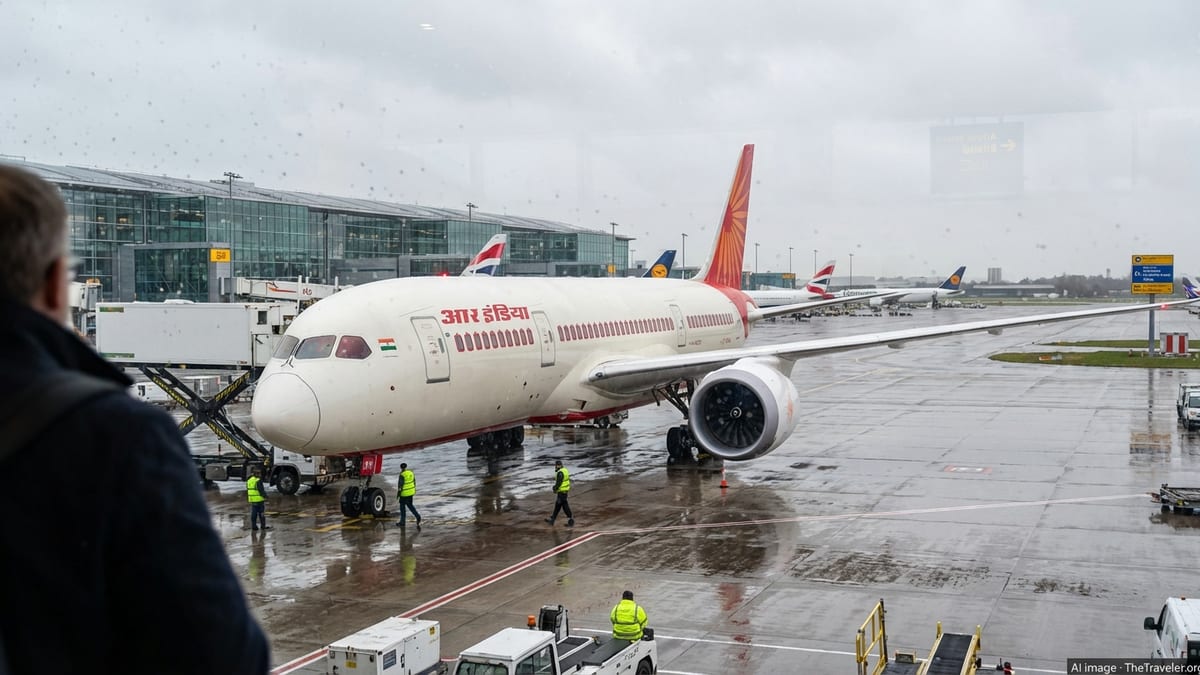
Thunderstorms Snarl Schedules at Europe’s Busiest Hub
Publicly available flight tracking data on Saturday shows Heathrow at the center of a major weather-related disruption, as storm cells over the English Channel and south-east England forced air traffic controllers to slow the flow of aircraft into and out of the airport. Reports indicate that more than 400 flights at Heathrow alone have suffered significant delays, while dozens have been cancelled outright as airlines struggle to keep to schedule.
The situation is part of a wider pattern affecting both Heathrow and nearby Gatwick, with aggregated figures from multiple outlets pointing to nearly 800 flights delayed or cancelled across the two London hubs. Delays of several hours have been recorded on some routes, creating long queues at security, crowded gate areas and mounting pressure on rebooking desks as airlines work through the backlog.
Published coverage notes that the worst of the disruption coincided with intense thunderstorm activity over northern France, the Low Countries and the southern North Sea. This weather corridor intersects some of Europe’s busiest airways, meaning that even flights that managed to depart Heathrow on time have in many cases encountered extended airborne holding or rerouting, further complicating airline schedules.
Heathrow already operates close to its maximum declared runway capacity on a typical day, leaving little margin to absorb weather-related slowdowns. When spacing between aircraft has to be increased for safety reasons in storm conditions, even brief restrictions quickly cascade into widespread delays that can take many hours to unwind.
Passengers Face Long Waits, Missed Connections and Rebookings
For travelers passing through Heathrow, the combination of ground delays and congested European airspace has translated into hours-long waits and missed onward connections. According to published reports, some passengers at London’s major airports have faced delays of up to 10 or 11 hours, either on the ground before departure or after landing while waiting for a gate or onward flight.
Major network carriers with large operations at Heathrow, including long haul and short haul operators, appear particularly exposed as disruption in one part of their schedule ripples across multiple waves of departures. A delayed inbound aircraft from Europe or North America can mean an outbound service leaving several hours late, with knock-on effects for crews, aircraft rotations and subsequent flights later in the day.
Reports from travel forums and social media referenced in news coverage describe crowded terminal areas and lengthy queues at airline service counters as passengers seek rerouting or overnight accommodation. With thunderstorms affecting a broad swathe of northwest Europe, options to reroute via nearby hubs are more limited than during purely local disruption, increasing the likelihood of overnight delays for some stranded travelers.
Families at the start of peak holiday periods appear particularly hard hit, with some accounts highlighting passengers waiting with young children in busy departure lounges while monitoring rapidly changing departure boards. Others have reported boarding aircraft only to remain on the tarmac for several hours while air traffic restrictions remain in place, before finally departing or in some cases returning to the gate.
Air Traffic Restrictions and a Wider European Weather Bottleneck
According to publicly available information from European aviation coordination bodies, the thunderstorm activity affecting Heathrow is part of a broader zone of unstable air stretching from northern Spain through France and into southern Scandinavia. This has prompted air traffic management authorities to impose flow restrictions across multiple sectors of European airspace, significantly cutting the number of flights that can be handled per hour.
Flight tracking platforms show that the most severe delays are concentrated in the corridors between southeast England and northwest Europe, a critical artery for both short haul and long haul traffic. Aircraft heading from Heathrow toward destinations in mainland Europe, or using those airways as part of transatlantic routings, have encountered extended holding and reroutes as controllers work to navigate aircraft safely around storm cells.
Travel-industry analysis indicates that when weather affects both departure and arrival airspace simultaneously, standard recovery plans become much harder to implement. In this case, defensive spacing measures for safety, combined with the need to divert flights around the most intense thunderstorm clusters, have produced a bottleneck that limits the scope for airlines to recover delayed rotations later in the operating day.
Historical operational reviews published by Heathrow in recent years have highlighted the airport’s vulnerability to this type of weather pattern, noting that even relatively short periods of lightning and intense rainfall can force temporary suspensions of ground operations and lengthen separation between arrivals and departures. The current disruption appears consistent with those assessments, with cumulative delays building rapidly through the morning and afternoon peaks.
Advice for Affected Travelers Passing Through Heathrow
Consumer-rights guidance cited in recent coverage recommends that passengers due to travel via Heathrow closely monitor live flight status information from their airline and from official airport channels before leaving for the airport. With thunderstorms expected to flare up intermittently, schedules may continue to change at short notice as air traffic managers adjust flows in response to evolving conditions.
Travel advocates note that Europe’s air passenger regulations may provide compensation or support in some circumstances, depending on the cause of the delay, the length of the disruption and the specific airline involved. However, where delays are determined to be the result of extraordinary weather conditions, entitlement to financial compensation may be limited, even if airlines are still expected to provide care such as meals or accommodation during extended waits.
Industry observers also point out that rebooking options can narrow quickly on days with widespread weather disruption, especially at capacity constrained hubs like Heathrow. Passengers whose journeys are not time critical are being encouraged in some commentary to consider voluntarily switching to later departures where airlines offer that flexibility, which can also help ease pressure on congested peak departure banks.
For those already at Heathrow, travel experts advise allowing additional time to move between terminals, remaining attentive to gate changes and being prepared for further rolling delays as airlines and air traffic control work to clear the backlog. With nearly 800 flights across London’s main airports affected by the current storms, operational recovery is expected to take time even after the worst of the weather passes.