

More news on this day
Beijing Daxing International Airport experienced a fresh wave of weather related disruption on June 22, with operational data indicating nine cancellations and 107 delays that rippled through domestic and international networks for China Eastern, Air China and several overseas carriers.
Get the latest news straight to your inbox!
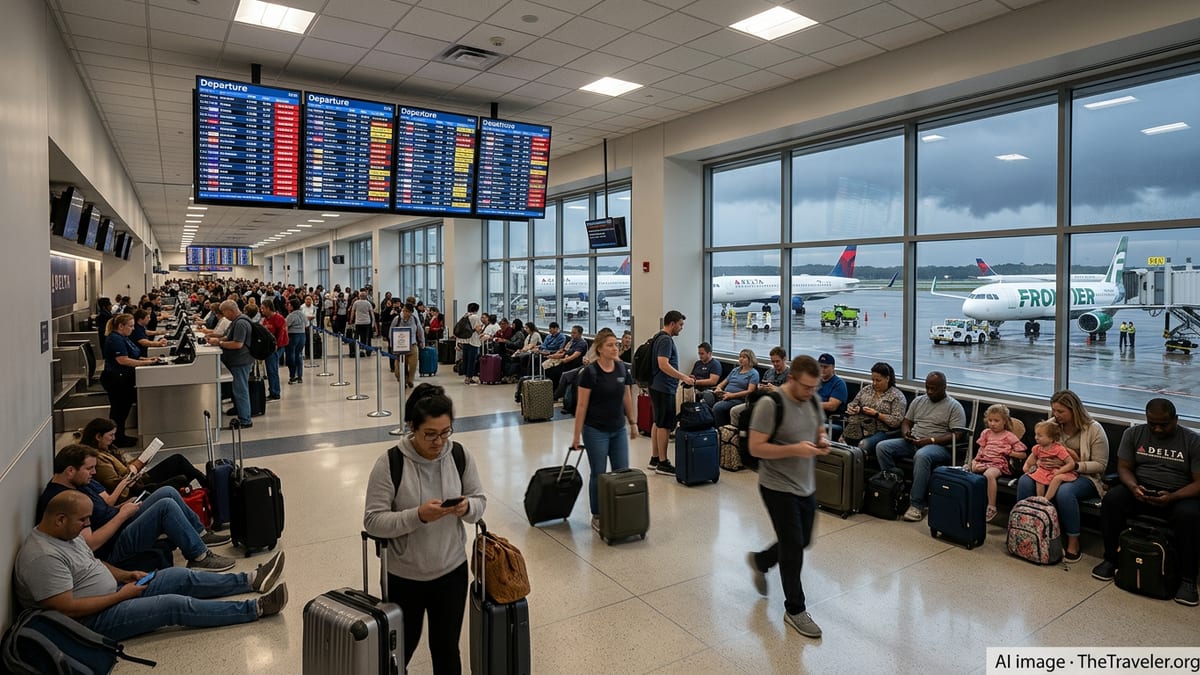
Severe Weather Over Northern China Hits Daxing Operations
Publicly available meteorological reports for June 22 point to a belt of strong convective storms over northern China, including the Beijing region, with forecasters warning of thunderstorms, short bursts of heavy rain, and local hail and gale force gusts. That pattern is consistent with the type of rapidly changing conditions that typically challenge airport operations, forcing ground stops, runway spacing, and more conservative approach procedures.
For Beijing, national weather outlets highlighted renewed thunderstorm activity returning after the Dragon Boat Festival period, noting that western and northern districts of the capital could see intense but short lived downpours. Such storms often build during the afternoon peak, when many domestic and international departures are scheduled, increasing the likelihood of airborne holding, diversions, and last minute slot changes at both Daxing and the older Capital airport.
While individual flights can and do operate safely in convective conditions, clusters of storms around a major hub frequently trigger knock on effects: crews running up against duty time limits, aircraft unable to arrive on schedule from elsewhere, and congestion as ground handling pauses for lightning or high winds. The pattern of nine cancellations alongside more than one hundred delays at Daxing on June 22 mirrors that familiar summer disruption profile rather than a systemic technical failure.
Airports across eastern and northern China were reporting unsettled weather windows through the day, suggesting that Daxing’s issues were part of a broader regional challenge rather than an isolated local event. For travelers connecting across multiple Chinese hubs, that translated into tighter margins for onward flights and an elevated risk of missed connections.
China Eastern and Air China Among Worst Affected Carriers
As one of the primary tenants of Beijing Daxing, China Eastern’s network was particularly exposed to the June 22 disruption. Operational tracking platforms showed a mixture of late departures and extended arrivals on China Eastern routes touching Beijing, Shanghai and key regional centers, reflecting both direct weather effects and the cascading impact of earlier delays on later rotations.
Air China, which splits its presence between Daxing and Beijing Capital, also saw schedules adjusted as crews and aircraft were rebalanced across the Beijing air system. Flight status boards for Air China services into the capital on June 22 showed a familiar mix of minor delays and more substantial holds, with some services retimed to depart later in the evening once weather conditions stabilized and traffic constraints eased.
Although the headline figure of nine cancellations may appear modest relative to the size of Daxing’s daily schedule, each canceled sector typically displaces hundreds of passengers and disrupts aircraft positioning for subsequent flights. In combination with 107 late operations, carriers such as China Eastern and Air China faced a full day of recovery work, from rebooking travelers to repositioning aircraft and crews to meet early morning departures on June 23.
According to publicly available conditions of carriage, both China Eastern and Air China outline specific measures for handling delays and cancellations, including providing updated information, arranging rebooking where possible, and, in some cases, offering meal or accommodation support when disruption is significant and directly attributable to the carrier. When weather is the underlying cause, compensation policies can be more limited, but airlines still typically assist in finding the next available itinerary.
International Routes and Long Haul Connections Feel the Strain
The effect of June 22’s disruption was not confined to domestic services. Beijing Daxing has steadily built up its portfolio of long haul and regional international routes since opening, and many of those flights rely on tight connections from China’s interior to feed outbound passengers onto overseas services.
Travel data platforms tracking flights into and out of mainland China on June 22 indicated that long haul services connecting East Asia with Europe and the Americas were operating through the same unsettled weather pattern, with some departures pushed back to accommodate late arriving passengers and inbound aircraft. For itineraries involving China Eastern and Air China via Beijing, these delays increased the risk that travelers would miss onward flights, particularly when itineraries relied on relatively short connection windows.
International travelers on multi segment tickets are generally reprotected on later services when missed connections stem from disruption on a through itinerary. However, where separate tickets or third party online agencies are involved, options can be more limited and out of pocket costs higher. The June 22 delays at Daxing will likely reinforce recent traveler advice emphasizing longer connection times at major Chinese hubs in the summer storm season.
For destinations served only a few times per week from Beijing, a single cancellation can translate into lengthy waits for the next available seat, especially during peak travel periods. The day’s nine cancellations, although small in absolute terms, may therefore have had an outsized impact on passengers booked on limited frequency international routes.
What Travelers Through Daxing Can Expect in Coming Weeks
The pattern seen on June 22 aligns with the onset of the summer convective season in northern China, when afternoon thunderstorms become more frequent and flight schedules face recurring pressure. Forecasts for late June and July suggest continued instability at times over Beijing and adjoining provinces, pointing to the likelihood of further weather related slowdowns at both Daxing and Capital.
Travel industry observers note that Chinese carriers have been rebuilding international networks through Daxing and other hubs, adding complexity to schedule recovery when storms hit. As more long haul and regional routes come online, the stakes for on time performance increase, particularly for itineraries that rely on a single daily flight in each direction.
For travelers planning transits through Beijing Daxing in the coming weeks, publicly available guidance from frequent flyer communities and airline documentation converges on several practical steps: allowing generous connection windows, monitoring flight status closely via airline apps or airport displays on the day of travel, and being prepared for rebooking scenarios when storms appear in the forecast. Those measures do not eliminate disruption risk, but they can reduce the likelihood of becoming stranded after a missed connection.
The June 22 episode underscores how quickly conditions can shift at one of China’s newest and most important hubs. With summer travel ramping up and weather patterns growing more dynamic, Beijing Daxing is likely to face further operational tests, and airlines such as China Eastern and Air China will continue balancing ambitious schedules with the realities of seasonal storms.