


More news on this day
Days after a rare hantavirus outbreak halted the MV Hondius off West Africa, hundreds of cruise ship passengers remain confined on board, trying to pass the time as health teams scrutinize every cough and fever for signs of infection.
Get the latest news straight to your inbox!
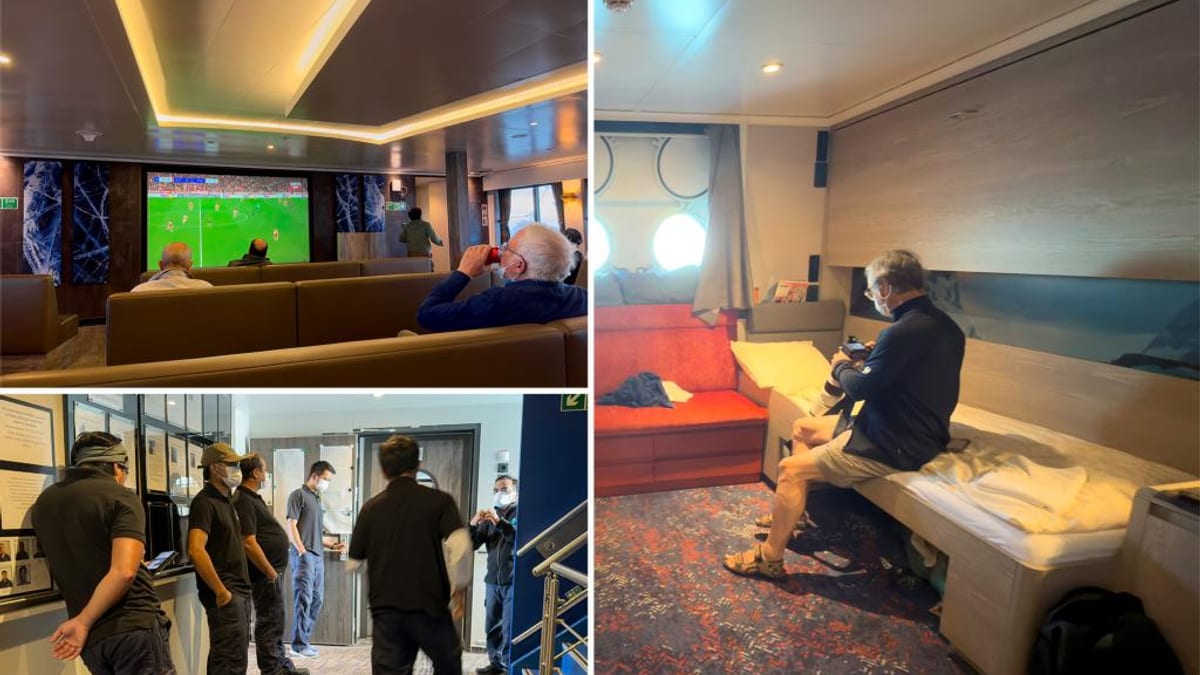
Life in Limbo on the MV Hondius
The Dutch-flagged expedition vessel MV Hondius has become an unlikely symbol of medical vigilance at sea. The ship, which departed Ushuaia, Argentina, on 1 April with a polar-focused itinerary, has been anchored in or near Cape Verdean waters after a cluster of severe respiratory illnesses and deaths was linked to Andes hantavirus, a rare virus capable of human-to-human transmission.
Public reports from international agencies indicate that at least three passengers have died and several others have required intensive care in hospitals in South Africa and Europe following illness onset between early and late April. While confirmed and suspected cases have been transferred off the ship for treatment, about 150 passengers and crew remain on board, subject to active symptom monitoring and movement restrictions as the investigation continues.
For those still at sea, the outbreak has transformed what was marketed as an adventure cruise into an extended quarantine. Common spaces are open only in tightly managed intervals, meal schedules have been staggered, and informal socializing now unfolds at carefully spaced tables or on open decks, where fresh air and distance offer at least some psychological relief.
Passengers are reportedly encouraged to take regular temperature checks and report even mild symptoms such as headache, fatigue or stomach upset. Medical staff on board, supported by external infectious disease specialists, are tasked with identifying any potential new cases early, while also fielding anxious questions from travelers worried about what awaits them once they finally disembark.
Passing the Time Under Watchful Eyes
With shore excursions canceled and the original itinerary abandoned, life on the stranded ship has settled into a slow, repetitive rhythm. Accounts emerging through media coverage describe passengers filling long days with books, films, language practice and online catch-ups with friends and family back home, as satellite connections allow.
Cabin balconies and outside decks have become informal gathering points, where travelers trade updates on news coverage and speculate about next steps. Group fitness classes, trivia contests and low-key lectures reportedly continue in modified formats that allow for distancing, helping to break up the monotony while keeping contacts more controlled than during a typical cruise.
Behind the scenes, however, the ship’s medical area has become the quiet center of gravity. Health workers carry out routine checks and symptom screenings, drawing on publicly available guidance that recommends up to 45 days of monitoring after possible Andes hantavirus exposure. The virus is known for an incubation period that can stretch for weeks, which means that even as no new severe cases are detected on board, the countdown clock resets with each new day without symptoms.
The result is an unusual coexistence of enforced patience and underlying tension. Many passengers remain asymptomatic and physically well, yet are acutely aware that they are part of a rapidly evolving public health episode that is being watched far beyond the ship’s railings.
How Hantavirus Concerns Reshaped the Voyage
According to published coverage from global health bodies and news organizations, the first passenger to fall seriously ill developed fever and gastrointestinal symptoms in early April and later died from respiratory distress as the ship continued toward remote islands in the South Atlantic. Additional suspected cases followed, including a passenger evacuated to South Africa and others who sought hospital care after disembarking in Europe.
Subsequent laboratory testing identified Andes hantavirus in at least some of these patients, prompting international alerts and a detailed risk assessment. The virus is usually associated with exposure to infected rodent droppings, urine or saliva, but in rare circumstances in South America it has also spread between people in close contact. That possibility has driven the particularly cautious approach on the Hondius, where travelers shared cabins, dining rooms and enclosed lounges over many days at sea.
World Health Organization summaries describe a total of seven confirmed and suspected cases initially linked to the voyage, including three deaths, along with a growing list of countries where former passengers are now under observation. While experts cited in outlets such as Reuters, the Associated Press and specialist health publications emphasize that a broader pandemic is considered unlikely, they note that the confined environment of a cruise ship creates unique risks when a respiratory illness is involved.
For the Hondius, those risks translated into denied docking requests, diverted routes and urgent coordination with coastal states as authorities weighed how to balance local protection with humanitarian obligations to passengers and crew. The resulting stalemate left the vessel effectively marooned within sight of land but out of reach for those on board.
Monitoring, Repatriation and the Long Tail of Exposure
Public updates from health agencies in Europe, Africa and the Americas indicate that the response has shifted from emergency triage to a more measured phase focused on contact tracing and follow-up. Travelers who disembarked earlier in the voyage are being tracked across several countries, and national health services have issued advisories outlining symptoms that should prompt immediate medical evaluation.
Officials in Spain and other European nations are reported to be coordinating potential onward transport and isolation arrangements for passengers once the ship is eventually allowed to dock. Some governments have stressed the importance of voluntary compliance with home-based or facility-based quarantine, while also signaling that legal tools exist to enforce isolation if needed to protect public health.
On board, the same logic plays out in microcosm. Crew members deliver meals and supplies with heightened attention to infection control, and passengers are given written instructions on what to watch for in the weeks after leaving the ship. Even those who never felt ill are being told, via public communications, that they may be asked to self-monitor and stay reachable for health checks for more than a month after their return.
For a travel industry still adjusting to the lessons of COVID-19, the Hondius episode is offering an early test of how cruise operators, health authorities and governments can coordinate around rarer pathogens that fall outside the usual playbook. While the number of confirmed hantavirus cases remains small, the logistical and emotional weight of the response is being felt keenly by those confined to their cabins and corridors, counting down the days until they can finally walk down a gangway and leave the outbreak behind.
Travel Confidence Tested by a Rare Pathogen
The outbreak arrives at a moment when global cruise travel has been steadily rebuilding, with ships returning to full capacity on routes from Antarctica to the Mediterranean. The sight of another vessel held offshore because of an infectious threat inevitably evokes memories of the early months of COVID-19, when floating quarantines dominated headlines and reshaped public perceptions of cruising.
Health experts cited across recent coverage have noted that hantavirus behaves very differently from the coronavirus that defined the last global health crisis. Andes hantavirus infections are serious but relatively rare, and the potential for human-to-human spread is believed to be limited to close-contact situations rather than casual encounters in public spaces. Even so, the uncertainty around incubation times and the small but real risk of further transmission have forced a cautious approach.
For would-be travelers watching from afar, the Hondius case underscores how quickly an offbeat itinerary can turn into a prolonged stay at sea under medical scrutiny. It is also highlighting the growing expectation that cruise lines and public agencies will share information more transparently, including clear guidance on testing, quarantine and repatriation plans when unusual pathogens appear on board.
As the ship waits for a final green light to bring everyone to shore, the story unfolding in its passageways and on its decks remains one of quiet endurance. Passengers pace the same routes each day, staff maintain a semblance of normal service, and health workers chart vital signs and symptom logs, all in service of ensuring that a rare virus does not turn an already unnerving voyage into something far worse.