


More news on this day
Air travelers across Europe are facing widespread disruption after a fresh wave of industrial action in Spain and adverse weather elsewhere triggered 2,439 flight delays and 187 cancellations in a single day, with Barcelona El Prat among the hardest hit hubs.
Get the latest news straight to your inbox!
Barcelona Becomes Focal Point Of European Disruption
Barcelona El Prat has emerged as one of the main hotspots of the latest operational shock to Europe’s aviation network. Publicly available airport and airline data indicate that the airport recorded 2,439 delayed departures and arrivals and 187 cancellations over a 24 hour period, affecting short haul links around the Mediterranean as well as long haul services to North America and the Middle East.
The disruption coincides with a period of heightened summer traffic, when Barcelona routinely ranks among Europe’s busiest airports by daily departures. Network statistics released in recent months show that the airport already faces pressure from strong seasonal demand and congestion in nearby airspace, which leaves schedules vulnerable when additional stress factors appear.
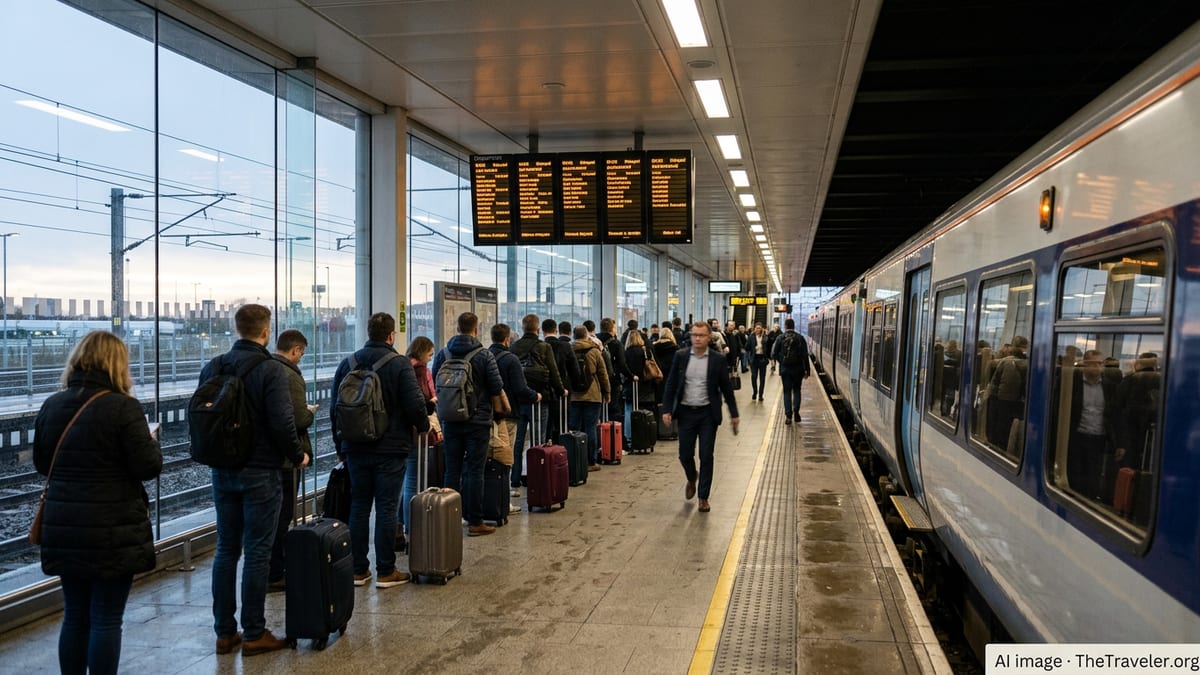
Travelers reported long queues at check in and security, lengthy waits for baggage and difficulty rebooking after flight cancellations. Publicly available accounts from passengers describe delays of several hours and, in some cases, extended overnight stays after aircraft were unable to depart as planned.
The impact has spread well beyond Spain, as Barcelona’s role as a transfer point and tourism gateway has created knock on delays for services linking major European capitals with beach destinations and secondary cities.
Industrial Action Compounds Existing Operational Strains
The latest round of disruption at Barcelona is closely linked to industrial action by airport and ground handling staff. Airline notices and travel waiver announcements indicate that labor disputes covering early August have affected handling capacity at key times of day, slowing aircraft turnaround and limiting the number of flights that can be processed simultaneously.
While not every carrier serving the airport is directly targeted by the strike actions, shared use of airport infrastructure means that even airlines outside the dispute face slower boarding, baggage loading and pushback. Publicly available guidance from several operators shows that they have issued flexible rebooking policies for passengers traveling through Barcelona during the affected period, reflecting expectations of continued irregular operations.
Industry data compiled for recent years underline how sensitive the European network has become to labor related disruption. Analytical papers from regional aviation bodies show that industrial action now accounts for a significant share of operational cancellations in the wider European market, rivaling technical issues and exceeding some weather related causes in certain months.
The current situation at Barcelona illustrates that pattern, with localized labor tensions triggering a wider network effect as delays propagate from one rotation to the next and aircraft arrive late at subsequent airports.
Weather Systems And Congested Airspace Add To Delays
Beyond labor disputes, unsettled summer weather across parts of western and southern Europe has further constrained capacity. Meteorological systems tracking over the Iberian Peninsula, southern France and the western Mediterranean have prompted air traffic management restrictions, particularly during thunderstorm activity and high winds.
Operational reports and recent network overviews from Eurocontrol highlight that convective weather and associated air traffic flow management regulations can sharply reduce the number of departures and arrivals permitted per hour at major hubs. When combined with already high seasonal volumes, even a temporary reduction can quickly translate into hundreds of delayed flights.
In the present event, such weather related constraints have exacerbated the bottlenecks caused by reduced staffing and slower ground handling at Barcelona and other airports. This combination has contributed to the tally of 2,439 delayed operations and 187 cancellations reported across the European network, as airlines have been forced to reroute aircraft, extend block times and occasionally scrub rotations to restore schedule integrity.
Airlines have publicly cited adverse weather as one factor limiting their ability to recover operations quickly, noting that aircraft and crew are often left out of position when storm systems or strong winds force abrupt changes to flight plans.
Key Leisure And Long Haul Routes Hit At Peak Season
The timing of the disruption is particularly challenging for travelers because it coincides with the height of the European summer holiday season. Barcelona serves as a major departure point for travelers heading to coastal resorts in Spain, France and Italy, as well as a key origin and destination for transatlantic and Middle Eastern routes.
According to published schedules, airlines have expanded capacity on routes linking Barcelona with major North American cities, northern European hubs and popular island destinations during July and August. That additional capacity has increased the number of passengers affected when irregular operations occur, and has amplified congestion at rebooking desks and customer service channels.
Reports from European aviation monitoring platforms show that knock on effects have been recorded at other busy airports which share traffic flows with Barcelona, including large hubs in France, Germany, the United Kingdom and Italy. Flights arriving late from Spain often depart late on their next leg, spreading delays to passengers with no direct connection to the original disruption.
Some carriers have responded by trimming frequencies on the most affected city pairs, consolidating passengers onto fewer flights in order to create recovery space within their schedules. Others have deployed larger aircraft on select routes out of Barcelona to accommodate travelers rebooked from cancelled services.
What Travelers Can Expect In The Coming Days
Publicly available notices from airlines and airport operators suggest that while conditions may gradually improve as labor negotiations progress and weather patterns stabilize, travelers should be prepared for continued irregularities in the near term. Residual delays often persist even after the immediate cause of disruption fades, as aircraft and crews gradually return to their planned rotations.
Industry guidance for similar events indicates that passengers flying to or from Barcelona and other affected European hubs should allow additional time at the airport and monitor flight status closely on the day of travel. Many airlines are encouraging travelers with flexible plans to move their journeys away from peak travel days or heavily impacted time windows when possible.
Consumer protection rules in the European Union continue to apply, meaning carriers remain responsible for care and assistance, such as meals and accommodation, when passengers are stranded due to cancellations or long delays, irrespective of the underlying cause. Financial compensation, however, can depend on whether the disruption is judged to be within the airline’s control.
As the summer peak continues, aviation analysts note that the episode underscores ongoing structural challenges in Europe’s air transport system, where tight staffing, rising demand and climate related weather volatility leave little margin for error when new pressures, such as industrial action, emerge.