


More news on this day
Air travel, coastal tourism and ground transport across Taiwan are facing mounting disruption as Typhoon Fung-wong intensifies offshore, prompting aviation alerts, coastal safety measures and warnings of widespread delays for visitors during one of the island’s busiest early-summer travel periods.
Get the latest news straight to your inbox!
Storm Track Raises Fears of Renewed Travel Turbulence
Forecasts from regional meteorological agencies indicate that Fung-wong is strengthening over the western Pacific as it tracks toward waters east of Taiwan, drawing deep tropical moisture over the island and neighboring sea routes. While the center of the storm remains offshore for now, its broad circulation is already enhancing heavy rain bands and strong winds that are beginning to affect aviation corridors and popular coastal destinations.
Publicly available outlooks suggest the system could continue to intensify over the coming 24 to 48 hours, with storm-force winds extending far from the core. This large wind field increases the risk that airports and ferry terminals will experience weather-related disruption even if the storm’s eye does not make direct landfall. Travelers are being urged by airlines and tour operators to expect sudden schedule changes as the storm environment evolves.
The timing is particularly sensitive for Taiwan’s tourism sector, which is entering the early phase of the western Pacific typhoon season just as domestic and regional travel demand rises for summer. Memories remain fresh of previous typhoons that brought extensive flooding, landslides and days of operational disruption across airports, rail lines and highways.
Flight Delays, Cancellations and Airport Contingency Plans
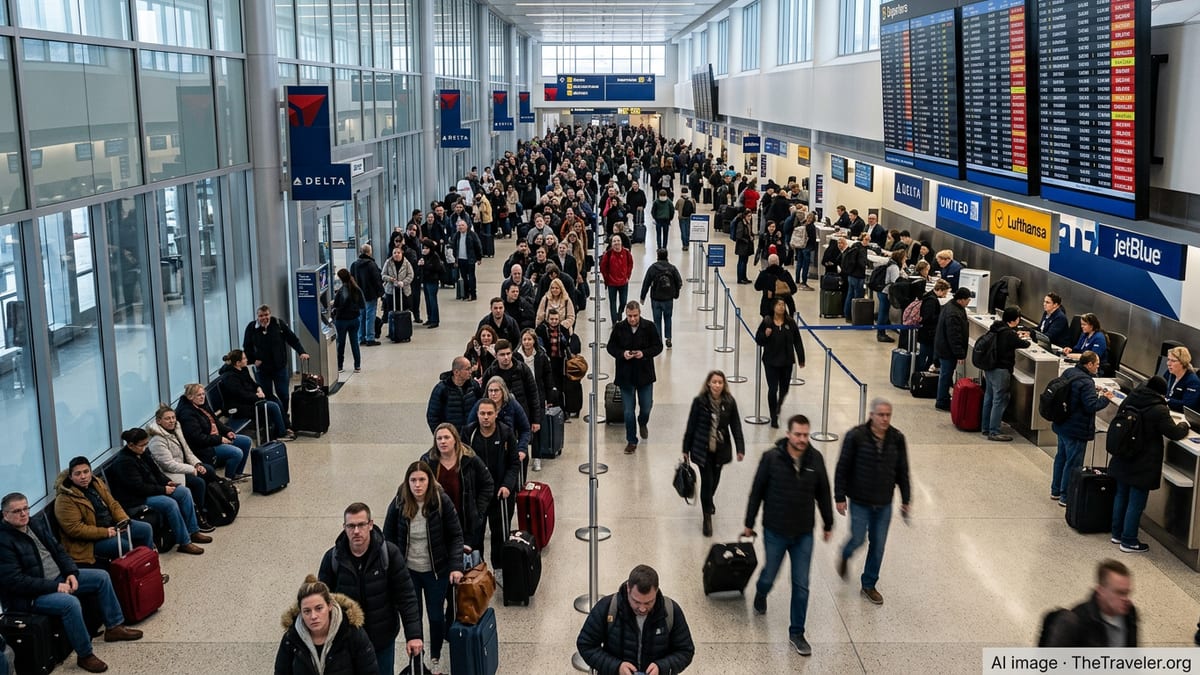
Reports from major Taiwanese carriers and airport notice boards show a growing wave of delays and selective cancellations on routes linking Taipei, Taichung, Kaohsiung and offshore islands with hubs in Japan, South Korea and Southeast Asia. Morning and evening banked departures are proving particularly vulnerable as convective storms intensify near approach and departure paths.
Airports are placing heightened emphasis on safety procedures, with visibility, crosswinds and lightning risk scrutinized on a flight-by-flight basis. Ground handling operations are also slowing when wind gusts strengthen around aircraft stands, extending turnaround times and amplifying knock-on delays across the network. Travelers are being advised to arrive early, keep baggage light where possible and prepare for extended waiting periods in terminals.
International travel advisories highlight that some long-haul services are adjusting routings and fuel loads to account for potential diversions around convective clusters generated by Fung-wong. While complete shutdowns of Taiwan’s main airports have not been declared, industry observers caution that a rapid change in storm intensity or track could trigger more sweeping suspensions at short notice.
Coastal Safety Measures Hit Beach, Surf and Ferry Tourism
Along Taiwan’s eastern and southern coasts, port authorities and local governments are rolling out safety measures as Fung-wong’s swell and wind fields build. Publicly available information shows that several popular beaches have implemented partial or full swimming restrictions, with lifeguard services focusing on keeping visitors out of rip-current-prone surf zones as wave heights increase.
Harbors used by inter-island ferries and whale-watching cruises are reporting intermittent suspensions and timetable changes as sea conditions deteriorate. Operators on routes to outlying islands such as Green Island and Orchid Island are warning that departures may be consolidated, brought forward or canceled outright if wave and wind forecasts worsen through the day.
Coastal roads and scenic lookouts, especially along the cliffs of the east coast and in Hualien and Taitung counties, are also receiving closer monitoring for rockfall and localized flooding. Tour groups are shifting to inland itineraries or shortening coastal stops to reduce exposure to hazardous conditions near sea cliffs and river mouths where runoff can surge quickly during intense rain bands.
Tourism Sector Scrambles to Reroute Itineraries
Inbound tour operators, hotel groups and rail companies are working to adapt itineraries as Typhoon Fung-wong reshapes travel logistics across Taiwan. Package tours that would typically combine coastal sightseeing with island excursions are pivoting toward urban attractions, hot-spring resorts accessible by rail, and indoor cultural sites such as museums and food markets.
According to published coverage in local business media, some hotels in Taipei, Taichung and Taichung’s surrounding mountain areas are receiving a spike in last-minute booking changes from groups abandoning seaside stays. At the same time, properties closer to surfing hotspots and beach towns are preparing for short-notice cancellations and early checkouts, particularly from visitors concerned about getting stranded if transport links are cut.
Rail services on Taiwan’s high-speed and conventional networks remain largely operational, but past experience with tropical systems means contingency timetables are being kept ready. Landslide-prone stretches of the east coast railway, in particular, may face preemptive speed restrictions or temporary suspensions if rain thresholds are crossed, affecting both local commuters and tourists traveling between Taipei, Hualien and Taitung.
What International Travelers Should Expect in the Coming Days
For visitors already in Taiwan or due to arrive in the next several days, travel experts advising through publicly available channels recommend a flexible, safety-first approach. Nonessential coastal excursions are being deprioritized, while indoor activities, food-focused city walks and short-hop train trips are being suggested as lower-risk options during periods of intense rain and wind.
Travel insurers and consumer advocates note that typhoon-related disruption is typically treated as a weather event, meaning coverage for cancellations and delays can vary significantly depending on the policy and the timing of purchase. Travelers are being encouraged to document any airline or accommodation changes and retain receipts for additional expenses such as extra hotel nights or reissued tickets.
As Fung-wong continues to intensify over warm waters east of Taiwan, the scale of disruption will depend on how closely the storm passes the island and how long its rain bands linger overhead. For now, early-summer visitors can expect an unsettled mix of operational turbulence and fast-changing conditions, underscoring the importance of real-time updates and flexible planning when traveling in the western Pacific during typhoon season.