


More news on this day
A technical failure in the UK’s air traffic control network has caused widespread flight delays and cancellations at major British airports, disrupting travel on Tuesday for thousands of passengers across Europe and beyond.
Get the latest news straight to your inbox!
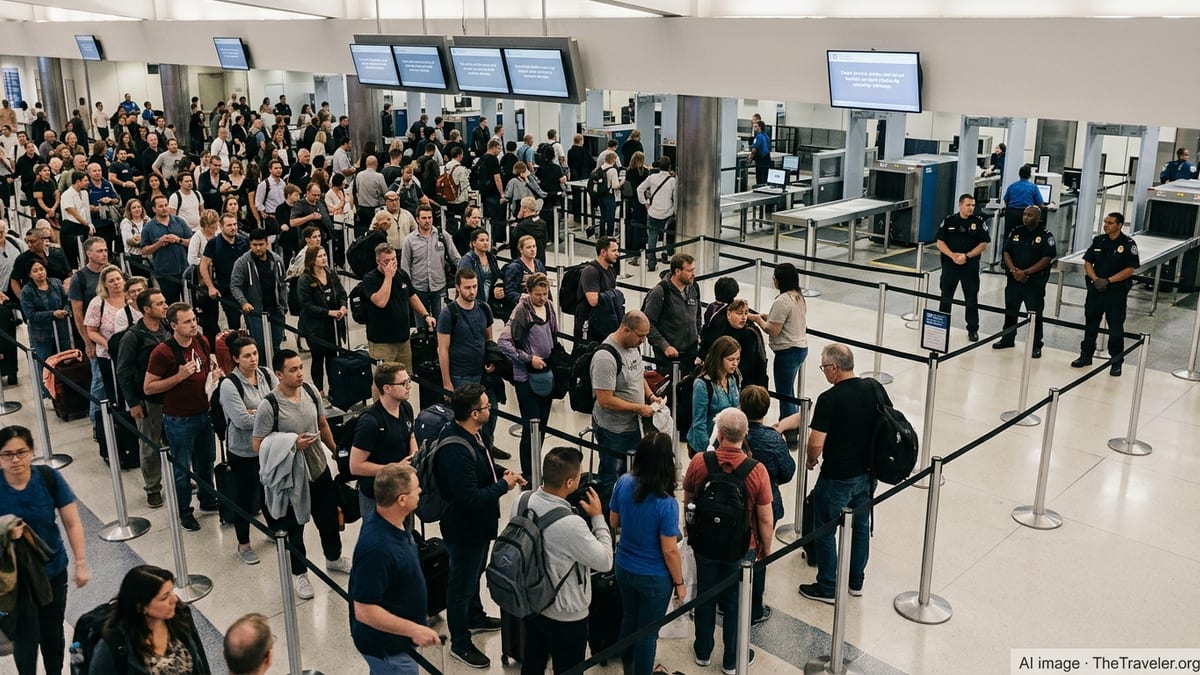
Major hubs from Heathrow to Manchester report severe disruption
Publicly available data from flight tracking and news services indicates that Heathrow, Gatwick, Manchester and Stansted have been among the worst affected airports, with restrictions on departures leading to hours-long delays. Reports from flight monitoring platforms suggest that hundreds of services have been delayed or grounded as the system issue unfolded on 8 September.
Coverage from multiple outlets notes that while departures have borne the brunt of the disruption, some inbound flights have continued to operate, creating a backlog of aircraft and passengers in already busy terminals. Additional reports highlight knock-on disruption at other UK airports including Luton, Birmingham, Edinburgh, Aberdeen and Glasgow, as schedules are adjusted and aircraft are repositioned.
International routes have also been affected, with aircraft departing from or overflying UK airspace facing extended holding times, re-routings or late arrivals. Travellers on European city services as well as long-haul routes have reported missed connections and extended waits both on board aircraft and inside terminals.
The scale of disruption recalls previous large outages that have affected UK air traffic operations in recent years, though early indications suggest that the latest event has been concentrated on the technical systems handling departures rather than a complete shutdown of UK airspace.
Technical issue linked to NATS air traffic control systems
According to published coverage, the disruption has been traced to a technical fault within systems operated by NATS, the UK’s main air traffic control provider. The problem has affected the processing of departure traffic at multiple airports, triggering flow restrictions and ground stops while engineers work on a fix.
Reports from financial and aviation news services describe the disruption as a significant operational event, with capacity limits imposed as a safety precaution. These restrictions reduce the rate at which aircraft can depart from busy hubs, quickly creating queues on the ground and delays that cascade through airline networks.
Background reporting points out that NATS has experienced other high-profile technical incidents in recent years, including a malfunction in 2023 that led to widespread cancellations and prompted a regulatory review of contingency planning. Industry analysts note that complex, highly automated systems such as flight plan processing and radar data integration can have single points of failure that are difficult to fully eliminate.
While the current problem appears to be confined to system performance rather than weather or staffing, the impact on travellers is similar to that seen during storms or industrial action: constrained capacity, rolling delays and airlines struggling to get aircraft and crews back into position once the issue is resolved.
Airlines cancel services as passenger disruption spreads
Airlines across the UK and Europe have begun cancelling selected flights and consolidating services as the day’s schedule becomes increasingly compressed. According to reports based on airline statements and airport updates, carriers including British Airways, easyJet and other European operators have been forced to ground aircraft or reroute them to less congested airports.
Consumer and travel media report that some airlines are advising passengers not to travel to the airport unless their flight is showing as operating, while others are offering complimentary rebooking or refund options where services have been cancelled. Social media posts from affected airports show long lines forming at check in desks and customer service counters as travellers seek alternative arrangements.
Given the interconnected nature of airline networks, delays at London and other major UK hubs are also affecting passengers who are simply transiting through the country. Missed connections, diversions and aircraft out of position are contributing to a ripple effect across parts of the European short haul network for the rest of the day.
Travel industry commentators suggest that the disruption window on 8 September is likely to be followed by a secondary period of recovery delays, as airlines work through stranded aircraft and crew rosters. Even once the technical fault is resolved, it can take many hours for operations at slot-constrained airports like Heathrow and Gatwick to stabilise.
What travellers are being advised to do
Airports and airlines are urging passengers to check the latest status of their flight before setting out, using airline apps, websites and flight tracking tools. Publicly available travel advisories emphasise that departure boards at airports may not fully reflect last minute changes, making direct confirmation with carriers essential.
Passenger rights organisations and travel specialists are also reminding affected travellers to keep receipts for any additional expenses and to document delay times, as this information may be required when pursuing compensation or reimbursement under UK and EU air passenger regulations. However, eligibility can depend on factors such as the exact cause of the disruption, the length of the delay and whether the flight is operated by a UK or EU carrier.
For those already at the airport, reports indicate that staff are rebooking passengers on later flights where seats are available and, in some cases, arranging overnight accommodation when onward travel is no longer possible the same day. Peak time passengers, particularly those on business routes and busy leisure corridors, are being encouraged to accept alternative routings or connections where offered, to help spread demand.
As with previous major operational issues, the overall advice from travel experts is for passengers to be prepared for extended waits, maintain flexibility where possible and make use of digital self service tools for rebooking, which can help bypass long queues at customer service counters.
Ongoing scrutiny of UK air traffic resilience
The latest disruption is likely to renew scrutiny of the resilience of the UK’s air traffic management infrastructure. Regulatory documents and prior investigations into earlier outages have already highlighted the challenges of upgrading legacy systems while handling high volumes of daily air traffic.
Industry observers point out that even relatively short lived technical failures can create outsized impacts at slot constrained hubs where airlines operate tight turnarounds and complex connection banks. With air travel demand having largely recovered from the pandemic, there is limited spare capacity in the system to absorb prolonged interruptions.
Analysts expect questions to be raised about redundancy, backup procedures and investment in technology following the 8 September incident, particularly given the financial and reputational costs for airlines and airports each time a major outage occurs. Comparisons are already being drawn with previous events where automation failures or cyber incidents have led to days of disruption for passengers.
For travellers, the episode serves as a reminder that while aviation safety standards in the UK remain high, operational reliability can still be affected by complex technical dependencies. Those planning trips through major British hubs in the coming days are being advised to allow extra time, monitor developments closely and be prepared for schedules to remain fluid as airlines work to restore normal operations.