


More news on this day
Texas is emerging as a vivid case study of the new divide in U.S. tourism, with international arrivals weakening just as domestic leisure and business travel surge to record levels across the state and the wider country.
Get the latest news straight to your inbox!
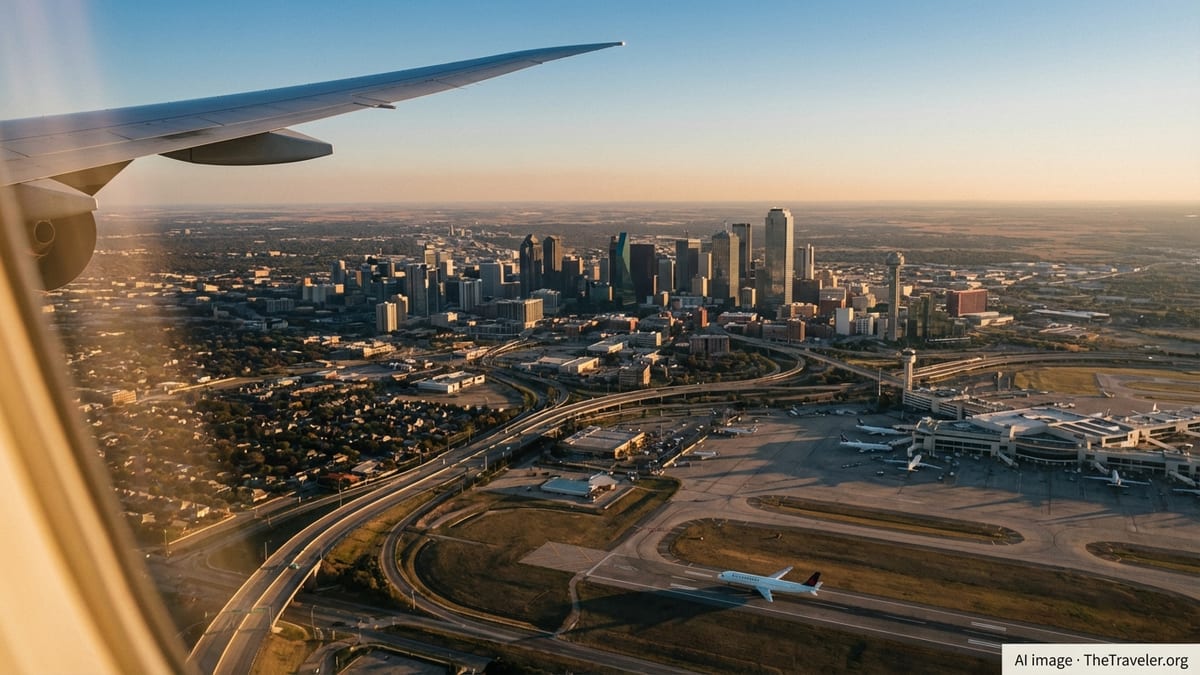
Texas Steps Into the Big-League Tourism Squeeze
Recent travel data place Texas alongside New York, California, Florida, Nevada, Illinois, Arkansas and Hawaii in a growing group of states where the tourism picture is sharply split. International visitors remain below pre-pandemic peaks or have begun to slide again, even as domestic tourism accelerates. National Travel and Tourism Office profiles show Texas firmly in the top tier of U.S. destinations for foreign air arrivals, yet still trailing its earlier growth trajectory while domestic demand fills hotel rooms and highways.
Industry reports on 2025 and early 2026 conditions indicate that Texas airports handled robust overall passenger volumes, buoyed by strong demand from U.S. travelers. Hotel and convention agencies in cities such as Houston, Austin and San Antonio describe a landscape in which big-ticket events, sports tourism and in-state vacations are offsetting softer bookings from abroad. Publicly available budget documents from local tourism and convention bodies reference rising room tax receipts that depend increasingly on domestic visitors.
The pattern mirrors national findings from tourism economists, who report that inbound overseas arrivals to the United States fell modestly in 2025 compared with 2024, even as U.S. residents increased outbound trips and domestic air travel. This divergence is reshaping how major destinations from Texas to New York and California plan marketing, pricing and infrastructure, nudging them toward closer competition for American travelers rather than relying on a steady flow of long-haul international guests.
How a Renewed ‘Trump Slump’ Is Hitting International Travel
The phrase “Trump slump” first surfaced in 2017, when travel analytics firms and trade groups documented a sudden drop in interest in visiting the United States following the first Trump administration’s immigration and visa restrictions. Contemporary coverage cited double-digit declines in flight searches from key overseas markets and billions of dollars in lost tourism exports as travelers diverted to destinations such as Spain and Canada.
Commentary in 2026 business media suggests a second, more entrenched slump in international demand under the current Trump presidency. Analysis comparing the late Obama years with Trump-era performance shows that international visitor spending stagnated in the first term, then lost further ground after the pandemic as political tensions and policy uncertainty weighed on the U.S. brand. Recent reporting notes that global visitors to the United States fell by nearly 5 percent in January 2026 year over year, even as worldwide tourism flows continued to recover.
States that rely heavily on foreign tourists, including New York, Florida, California, Nevada and Hawaii, are feeling this chill most acutely. Visitor bureaus and hotel groups in those markets report softer bookings from Western Europe, parts of Asia and Canada following a series of trade, border and security policy clashes. Texas, which had been climbing the rankings as a secondary international gateway, is now contending with the same headwinds, with fewer Canadians and Europeans booking long-haul trips even as domestic air arrivals rise.
Wars, Routes and the New Geography of Long-Haul Travel
Geopolitics is compounding the policy-driven drag on U.S. inbound tourism. The 2026 war involving the United States, Israel and Iran has upended air travel across the Middle East, a region that serves as a crucial bridge between Europe, Asia and the Americas. Aviation and tourism briefings describe extensive airspace closures over Iran, Iraq and parts of the Gulf, along with tens of thousands of flight cancellations and diversions since mid-2025.
Coverage by international tourism bodies and travel trade publications indicates that this disruption is reverberating far beyond the conflict zone. Gulf super-hub airports that normally channel passengers between Asia, Europe and North America have seen schedules slashed and connections rerouted through alternative hubs. The World Travel & Tourism Council estimates that Middle Eastern destinations themselves are losing hundreds of millions of dollars per day in visitor spending as package tours are canceled and cruise itineraries rewritten.
For the United States, including gateway states such as New York and California and secondary hubs like Texas, the effect is more indirect but still significant. Extended flight times, higher fuel surcharges and traveler anxiety are discouraging some long-haul trips, particularly from markets that previously relied on one-stop connections via the Gulf. Travel companies in Europe report that holidaymakers are rebooking away from the eastern Mediterranean, with some opting for closer-to-home destinations instead of long-haul U.S. vacations.
These shifts leave U.S. destinations competing more fiercely for the long-haul travelers who still choose to come. Marketing campaigns in Texas and other states are consequently placing more emphasis on safety messaging, flexible booking policies and multi-city itineraries designed to make once-in-a-lifetime trips feel worthwhile despite higher costs and more complex routings.
Visa Hurdles and Border Friction Cool High-Value Segments
Beyond wars and political rhetoric, the mechanics of getting into the United States remain a central factor in the tourism slowdown. Travel associations and business media have chronicled persistent visa backlogs in some consular posts, fluctuating screening rules and periodic crackdowns at land and air borders. These hurdles are especially acute for high-spending segments such as business travelers, conference delegates and repeat visitors from emerging markets.
Government travel statistics for 2025 show that business travel to the United States dropped markedly in certain months, with particularly steep declines from Western Europe and Mexico. Analysis attributes the trend to economic uncertainty as well as frustration with border inspections and detentions that disrupt tight itineraries. While leisure visitors can sometimes reschedule, corporate travelers often shift meetings to competing hubs in Canada, Europe or Asia.
Canadian visitors, who collectively spent tens of billions of dollars in the United States in 2024, have also become less predictable. A politically charged consumer boycott that began in 2025 has encouraged some Canadians to redirect trips to domestic or European destinations. This shift affects border states and sunbelt destinations from Florida to Texas, where Canadian “snowbirds” and repeat vacationers have historically formed a stable backbone of winter tourism.
Texas exemplifies these crosscurrents. Trade and travel documents highlight that while overall air traffic through its major airports rose in 2024, a growing share of that volume is domestic. International business meetings, energy conferences and academic exchanges have resumed, but organizers increasingly report that some participants choose virtual attendance or alternative locations rather than navigate evolving U.S. visa and border rules.
Domestic Travel Surges as Americans Stay Closer to Home
Even as international arrivals soften, the U.S. domestic travel story is one of resilience. National travel trackers show that Americans have embraced road trips, short-haul flights and regional getaways in record numbers since pandemic restrictions eased. Lower unemployment, strong wage growth in some sectors and a cultural shift toward “revenge travel” are all cited as drivers of this boom.
In many states, including Texas, Florida, Arkansas and Nevada, hotel performance metrics and state lodging tax receipts point to a surge in in-state and interstate tourism. Theme parks, national and state parks, small cities and rural attractions have benefited from travelers choosing closer, more flexible vacations over complicated international itineraries. In Texas, iconic draws from the Hill Country and Gulf Coast to major festivals and sports events in cities are drawing visitors from across the South and Midwest.
This domestic wave is helping to stabilize employment and revenues in the tourism sector even as inbound receipts lag. Airlines report that strong ticket sales on domestic routes are helping offset higher jet fuel costs linked to the Middle East conflict. Car rental firms, restaurants and event venues across major U.S. tourism states are similarly leaning on local and regional visitors to sustain growth.
The result is a tourism map that looks very different from the pre-2017 era. States such as Texas now find themselves less dependent on far-flung markets, but also more exposed to shifts in U.S. consumer confidence and gas prices. As the “Trump slump,” war-related disruptions and visa frictions continue to weigh on long-haul travel, the industry’s challenge will be to convert today’s domestic boom into durable, diversified demand without losing sight of the high-value international audience that once powered much of its growth.