


More news on this day
Thailand’s deepening visa-free partnerships with China and other fast-growing source markets are accelerating a new phase of tourism-led property investment, with developer AssetWise sharpening its focus on Phuket and other high-potential resort and lifestyle hubs.
Get the latest news straight to your inbox!
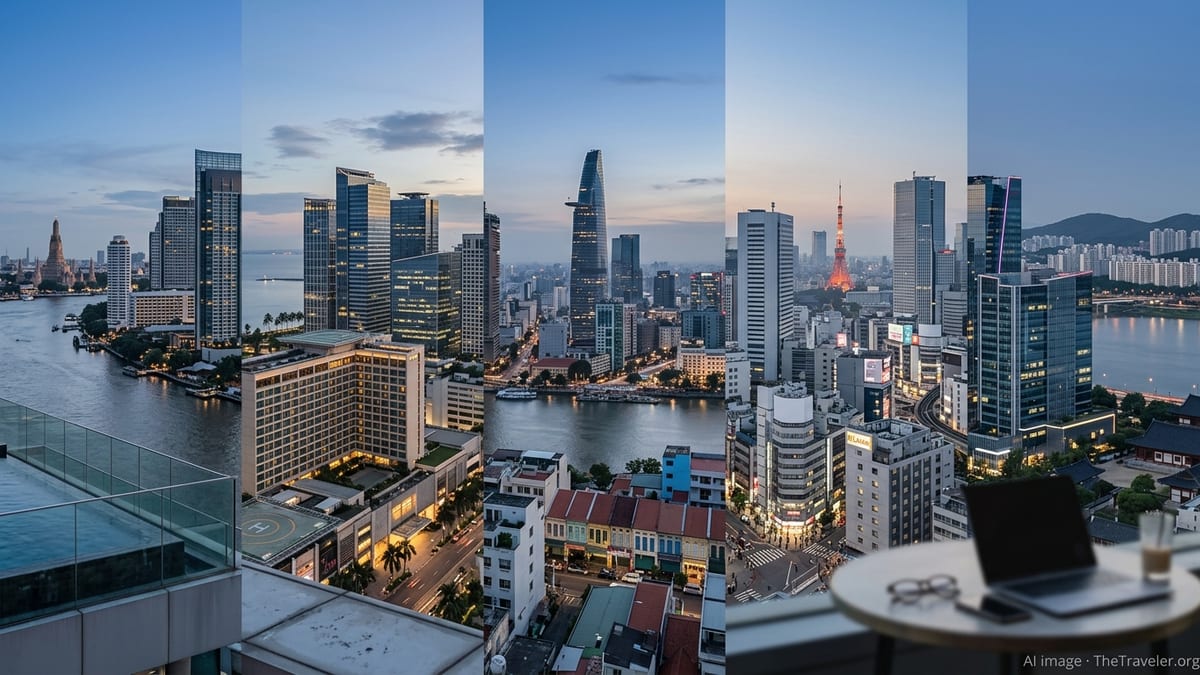
Visa-Free Push With China Recasts Regional Tourism Map
Recent policy moves have strengthened Thailand’s position as one of Asia’s most open gateways for leisure travel. A mutual visa exemption agreement between Thailand and China, which took effect in March 2024, allows ordinary passport holders from both countries to visit for short stays without applying for a visa in advance. Publicly available documents from Thai and Chinese government channels indicate that travelers can stay for around 30 days per visit under the scheme, subject to overall limits on days spent in each country within a six‑month period.
The permanent waiver is designed to remove friction for Chinese visitors, traditionally one of Thailand’s largest tourism segments. Before the pandemic, Chinese arrivals regularly topped the charts; following the reopening of borders, Thailand has sought to restore that momentum by simplifying entry conditions and intensifying promotional campaigns focused on beach, wellness, and shopping tourism.
Policy materials and industry analysis also point to a broader trend of China building mutual visa-free arrangements with selected regional partners, while Thailand itself has reformed its own entry rules to attract a wider mix of travelers. The combination is reshaping regional travel patterns, making multi-stop itineraries that include Thailand, China, and other destinations more feasible for middle-class tourists across Asia.
This evolving landscape is particularly significant for Thai resort markets that rely heavily on international visitor flows. Phuket, Krabi, Samui, Pattaya, and Chiang Mai are among the destinations expected by local tourism and property analysts to benefit from easier repeat travel by Chinese and other Asian visitors.
Thailand Extends Visa Privileges To More Growth Markets
Beyond China, Thailand has steadily expanded visa exemptions and extended stays for visitors from dozens of countries. Official summaries of visa measures published in mid‑2024 show that citizens of more than 90 jurisdictions are eligible for visa-free entry or visa on arrival for tourism, often with stay periods of up to 60 days for certain markets.
Updated lists from Thailand’s consular services indicate that travelers from India, Kazakhstan, Russia, and other emerging outbound markets in Asia and Eastern Europe now benefit from more generous visa-free or facilitated entry regimes than in the past. These steps are framed domestically as part of a broader tourism‑first economic strategy that aims to increase both arrival numbers and per‑capita spending.
Indian travelers, in particular, have become crucial to Thailand’s visitor mix. Open data and tourism commentary describe India as one of Thailand’s largest sources of arrivals in recent years, supported by targeted marketing, charter flights, and periods of visa-fee waivers and visa-free entry. Similar attention has been directed toward markets such as Kazakhstan, where reciprocal visa policies and growing air connectivity help channel visitors to Bangkok and major resort islands.
Policy documents and commentary surrounding Thailand’s 2024–2026 visa reform packages emphasize diversification. Rather than relying solely on one dominant source country, Thailand is positioning itself as a hub for a broader Asian and Eurasian middle class. This diversification is being closely tracked by real estate developers that specialize in hospitality and lifestyle products, who see an opportunity to cater to shifting visitor demographics and longer seasonal peaks.
AssetWise Targets Phuket And Key Tourism Property Hubs
Against this backdrop, Bangkok‑listed developer AssetWise Public Company Limited is expanding its presence in tourism‑driven property markets. Corporate disclosures and company presentations show that AssetWise has identified Phuket as a primary engine of growth, using a mix of leisure condominiums and branded residential projects to capture demand from both international buyers and domestic investors seeking rental yields.
AssetWise’s strategy has been strengthened by its integration with Rom Bho Property, a Phuket‑based developer behind “The Title” leisure residence brand. Company information indicates that, following the merger, AssetWise controls a portfolio of more than a dozen leisure‑oriented projects with total investment value in the tens of billions of baht across Phuket’s main beaches and emerging neighborhoods.
In a strategic update outlining its “New Frontiers” approach, the developer highlighted Phuket and the Eastern Economic Corridor as key expansion zones for 2024 and beyond. The plan includes a pipeline of new condominium and villa projects, supported by partnerships in large‑scale pool villa developments and lifestyle‑oriented facilities ranging from fitness centers to event venues. Public information suggests that backlog from Phuket and other tourist markets has become a rising share of the company’s overall presales.
The company’s most recent performance statements point to strong revenue contributions from leisure condominium projects in Phuket, particularly in quarters coinciding with the traditional high season for international tourism. AssetWise has reported multi‑billion‑baht revenues over recent nine‑month periods, associating part of this growth with the ramp‑up of Phuket projects targeting buyers who expect robust tourism demand in the years ahead.
Visa Policies And Property Demand: A Reinforcing Cycle
Industry analysts generally view visa liberalization as a catalyst for both short‑term tourism spending and longer‑term property investment in destination markets. In the case of Thailand, easier access for visitors from China, India, Kazakhstan, Russia, and other emerging outbound markets is expected to sustain higher occupancy in hotels and short‑stay rentals in key hubs such as Phuket, Bangkok, and Pattaya.
Developers like AssetWise are positioning their projects to benefit from this projected demand. Leisure condominiums and branded residences in Phuket, for example, are frequently marketed to buyers who intend to use the units for part of the year and rent them out for the remainder, relying on steady inflows of regional tourists. Visa‑free travel can encourage repeat visits, seasonal stays, and multi‑generation family trips, which in turn support higher utilization rates for such properties.
Publicly available policy analyses suggest that multi‑country visa‑free networks may further amplify this effect. When travelers can pair Thailand with other visa‑friendly destinations in a single itinerary, the overall appeal of the region increases. This can lead to longer combined trips that still include several nights in Thai resort areas, maintaining the case for investment in tourism‑centric real estate.
For developers, the main challenge is calibrating project scale and product mix to match evolving visitor patterns. Companies active in tourism hubs are monitoring air capacity growth, hotel performance, and nationality‑specific arrival data to determine where to allocate capital. AssetWise’s recent emphasis on leisure residences in Phuket indicates that it expects Thailand’s visa alliances and tourism push to translate into sustained, rather than purely cyclical, demand.
Outlook: Competition Intensifies In Tourism-Led Real Estate
The intersection of tourism policy and property development is sharpening competition across Thailand’s resort and lifestyle markets. As the visa environment becomes more favorable for travelers from China and a wider circle of countries, more developers are targeting beach and cultural destinations with mixed‑use projects that combine residential, hospitality, and retail components.
AssetWise’s strategy suggests confidence that Phuket and similar hubs will remain central to Thailand’s growth story. Company communications outline plans for continued project launches and revenue targets that assume double‑digit expansion over the medium term, supported in part by tourism‑linked demand. This places the developer among a group of listed Thai firms seeking to translate policy‑led tourism gains into recurring income from property sales and rental programs.
At the same time, observers note that the benefits of visa‑free travel are sensitive to broader economic conditions, currency movements, and geopolitical developments. Exchange rate shifts that make Thailand more or less affordable, as well as competition from other visa‑friendly destinations in Southeast Asia, could influence actual arrival numbers and spending patterns.
For now, the alignment of Thailand’s visa partnerships with China and other key markets, rising air connectivity, and the strategic moves of developers such as AssetWise is creating a powerful narrative for tourism‑driven real estate. How effectively companies execute in crowded resort markets like Phuket will help determine whether this policy opening translates into durable returns for investors over the rest of the decade.