

More news on this day
Thailand is reshaping how long visitors can stay, rolling out new visa rules that lengthen some tourist trips, formalize long-stay digital nomad living and tighten informal “visa run” habits that once defined extended travel in the kingdom.
Get the latest news straight to your inbox!
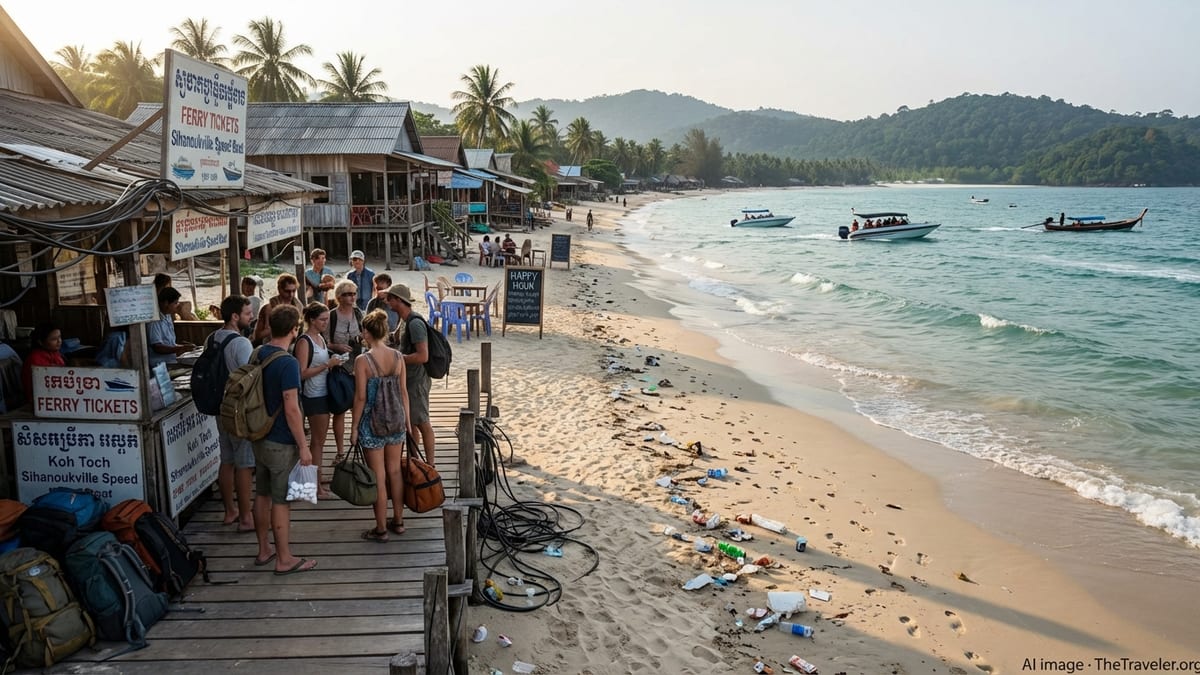
From Short Breaks to Longer Visits: Key Changes for Tourists
Publicly available information shows that Thailand has significantly expanded visa-free and short-stay options for many nationalities. Cabinet decisions in 2024 increased visa exemption stays for eligible visitors to 60 days instead of the traditional 30, with more than 90 jurisdictions now covered by relaxed entry rules. These moves aim to give holidaymakers and business visitors longer on the ground without the friction of a full visa application.
In parallel, standard tourist visas issued by consulates still allow stays of up to 60 days per entry, often extendable by 30 days at local immigration offices. For many leisure travelers, that creates realistic options for trips of one to three months, whether on a visa-exempt entry or a pre-arranged tourist visa. Industry commentary indicates that typical leisure stays remain closer to one or two weeks, but the legal ceiling for those who want more time has clearly moved upward.
The shift toward 60-day visa-exempt entries also interacts with bilateral agreements that cap cumulative time in Thailand over a rolling period. Some nationals enjoy repeated 60-day visits, while others are limited by a 90-days-in-180-days framework. The effect is to offer flexibility for repeat holidays, while keeping a formal boundary between tourism and de facto residence.
Travel planners note that these changes make it easier to combine Thailand with neighboring destinations. Longer visa-exempt stays give travelers room for slow itineraries that link Bangkok, the islands and northern cultural hubs, without the pressure to exit after only a few weeks.
Crackdown on Visa Runs and Informal Long-Stay Patterns
Alongside these extensions, Thailand is quietly tightening how often travelers can rely on visa-free entries and tourist visas to remain in the country for many months at a time. Commentary from immigration specialists and traveler forums highlights an uptick in secondary questioning at borders and, in some cases, refusals of entry for people who appear to be using back-to-back exemptions as a way to live in the country without a long-stay permit.
Published guidance on Thailand’s visa policy points to a maximum number of visa-exempt entries by land and an expectation that travelers use formal visas rather than repeated border “bounces” to extend their stay. Reports from tourism groups describe cases in which individuals with a history of multiple long visits are asked to show onward travel, proof of funds or clearer evidence of genuine tourism. While these practices are not new, they are becoming more consistent as authorities align policy with the new menu of long-stay visas.
Industry voices have also begun debating whether extended 60-day visa exemptions unintentionally encourage ultra-budget stays that bring less revenue per day than shorter holidays. Some Thai tourism operators have floated proposals to cut visa-free allowances back toward 30 days for certain markets, though these ideas remain at the discussion stage. The conversation underscores a broader shift: Thailand wants visitors to stay longer, but under more structured, higher-value arrangements.
For travelers, the practical message is that visa runs are riskier than they once were. Those who plan to stay beyond a typical holiday period are increasingly directed toward formal long-stay options, from multi-entry tourist visas to new lifestyle-oriented permits designed for remote workers and frequent visitors.
The Destination Thailand Visa: A New Era for Digital Nomads
The most striking symbol of this policy rethink is the Destination Thailand Visa, widely described in specialist coverage as Thailand’s digital nomad visa. Introduced in 2024, the DTV is a five-year, multiple-entry visa intended for remote workers, freelancers and participants in approved cultural or “soft power” activities who base themselves in Thailand while earning income from abroad.
According to legal advisories and immigration briefings, each DTV entry allows a stay of up to 180 days, with the option to extend once for another 180 days at a Thai immigration office. That structure effectively creates the possibility of a continuous one-year stay on a single entry, within a broader five-year window in which holders can leave and re-enter as needed. The visa also allows dependents to accompany the main applicant, positioning Thailand as a family-friendly hub for long-stay remote work.
Eligibility criteria focus on financial stability and lawful remote work. Public information outlines minimum savings thresholds in Thai baht equivalents and documentation to show overseas income or clients. Successful applicants gain a clear legal pathway that replaces the old patchwork of tourist visas, visa runs and informal arrangements that many digital nomads previously used to remain in Thailand for months at a time.
For the tourism economy, the DTV is designed to attract higher-spending long-stay visitors who rent apartments, enroll children in schools, join co-working communities and travel domestically on weekends. Observers note that this group tends to spend more per stay than backpackers, but prefers flexible residency rather than traditional retirement or corporate expatriate schemes.
Balancing Openness, Revenue and Security
The new visa architecture reflects a delicate balancing act between openness and control. On one hand, Thailand is competing with regional neighbors such as Malaysia, Indonesia and Vietnam to attract longer-stay tourists, retirees and remote workers who bring steady foreign income. On the other, policymakers are under pressure to address concerns about foreign crime, overstays and the informal labor market that can accompany loosely regulated long stays.
Tax and legal commentaries point out that the DTV and other long-stay categories sit alongside Thailand’s existing long-term resident schemes, investment-linked programs and retirement visas. Together, they create a tiered system in which visitors can graduate from a 60-day holiday to a six- or twelve-month stay, and eventually to more permanent options, as their ties to the country deepen.
This tiered system also has fiscal implications. Spending longer in Thailand can trigger tax residency if an individual is in the country for more than 180 days in a calendar year, bringing remote workers into the scope of Thai income tax rules. Advisory firms have begun emphasizing that planning around days in-country now matters more than ever, since the new visas make extended stays easier but also more visible.
Security measures are evolving in parallel. Reports on the country’s visa policy describe enhanced screening at major airports for certain high-risk categories and more systematic checks on travel histories. At the same time, the rollout of the Thailand Digital Arrival Card in 2025 has digitized entry declarations, requiring travelers to submit detailed information about accommodation, finances and recent travel before arrival. These tools give immigration officers more data to distinguish between casual tourists, repeat visitors and prospective long-stay residents.
How the Travel Experience Could Change for Different Visitors
For short-term tourists, the immediate impact of Thailand’s visa rethinking is largely positive. Longer visa-exempt stays and simpler entry processes mean more time to explore without administrative hurdles. Package holidaymakers and independent travelers booking two- or three-week trips are unlikely to notice stricter enforcement, provided their plans match the profile of genuine tourism.
Mid- to long-stay visitors, including backpackers and seasonal travelers who once relied on multiple back-to-back entries, are likely to feel the changes most acutely. With border runs facing greater scrutiny, these travelers will either shorten their overall time in the country or shift toward formal visas that involve more paperwork and, in some cases, higher fees. Hostels, budget guesthouses and informal work sectors that previously catered to this group may also see shifts in demand over time.
Digital nomads and remote professionals, by contrast, could experience a net gain. The DTV and related long-stay options give them a legal, predictable framework for basing themselves in Thailand, renting long-term housing and integrating into local communities. Co-working hubs in Bangkok, Chiang Mai, Phuket and the islands are expected to benefit from a more stable population of remote workers who no longer need to leave the country every few months to reset their status.
As these rules bed in, Thailand’s tourism landscape is likely to segment more clearly. Short-stay holidaymakers will enjoy greater flexibility, while those seeking months or years in the country will be nudged toward structured, document-heavy visas that bring them into the formal economy. The era of improvised long stays on a chain of 30-day stamps is giving way to one in which extended life in Thailand is still possible, but more regulated, more expensive for some, and potentially more rewarding for those ready to commit.