


More news on this day
Australian travellers heading to Europe during peak wildfire season are being urged to rethink how they plan and protect their trips, with new guidance warning that a single “big mistake” in timing travel insurance and ignoring official advisories can leave holiday-makers out of pocket as blazes disrupt popular destinations.
Get the latest news straight to your inbox!
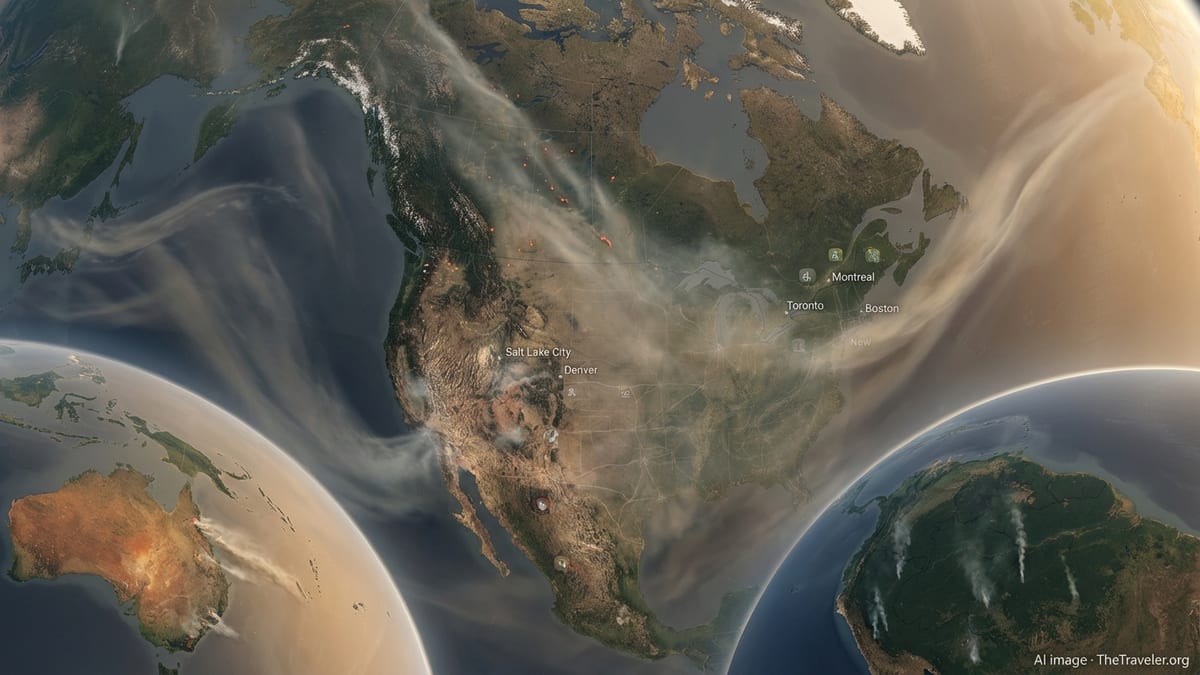
Wildfires disrupt holidays across France, Spain and beyond
Extensive wildfires in parts of France, Spain, Portugal and Greece have forced large-scale evacuations, damaged infrastructure and disrupted transport networks during one of Europe’s busiest travel periods. Recent reports describe thousands of residents and visitors being moved from homes, campsites and holiday parks as fires advance on communities and resort areas in southern Europe.
In France, fire fronts near Bordeaux and along the Atlantic coast have affected regions that are heavily visited by international tourists during July and August. Publicly available coverage indicates that flight operations at Bordeaux’s airport have been curtailed at times so water-bombing aircraft can operate, contributing to delays and cancellations on some routes.
Spain has also declared emergency conditions in several regions this month as wildfires spread close to major population centres and tourist corridors. Media reports describe roads turning into gridlock as residents and visitors attempt to leave threatened areas at short notice, adding a layer of travel risk even for those not directly in evacuation zones.
Across the wider region, the European Forest Fire Information System has recorded hundreds of active fires this summer, with Euronews and other outlets reporting that burned areas are already above recent seasonal averages. Health agencies have warned that smoke plumes are degrading air quality well beyond fire lines, potentially affecting city breaks and coastal stays hundreds of kilometres away.
The costly ‘big mistake’: buying insurance after fires start
Australian industry bodies and consumer advocates are drawing renewed attention to the fine print of travel policies as images of burning forests and orange skies dominate European news bulletins. According to current guidance from the Insurance Council of Australia and major insurers, the most expensive misstep travellers can make is waiting to purchase cover until after a natural disaster is widely reported.
Once an event such as a named wildfire outbreak, major heatwave or declared state of emergency is judged to be a “known event,” most comprehensive policies treat related disruptions as excluded. That means travellers who rush to buy a policy after seeing fires on the news may find they are not covered for cancellations, date changes or alternative accommodation linked to that specific crisis.
By contrast, Australians who arranged insurance when they first paid for flights or deposits are more likely to fall within standard cancellation and travel delay benefits, provided their policy includes cover for natural disasters. Consumer information sites emphasise that travellers should not assume bushfire-style risks are automatically covered in overseas contexts and should check sections dealing with severe weather, force majeure and government advisories.
This timing issue is especially important for last-minute European getaways, where travellers may book within days of departure. If wildfire conditions escalate between booking and take-off, those who delayed purchasing insurance could find they are effectively self-insured for any disruption.
Official advisories, fine print and when cover can be denied
Australia’s Smartraveller service has updated several European country advisories in recent weeks with references to wildfire conditions and extreme heat. The advice generally urges visitors to monitor local media, heeding evacuation orders and staying clear of high-risk forest and rural areas during periods of elevated fire danger.
Travel law specialists and consumer advocates note that these advisories can interact with insurance cover in complex ways. Many policies state that travellers must take “reasonable care” for their own safety, which can include avoiding areas that national governments or local authorities have flagged as dangerous or subject to evacuation. Choosing to enter a known fire zone against this backdrop can jeopardise later claims.
Another complication arises when governments upgrade their warnings after a trip has been booked. If an advisory shifts to strongly recommending that travellers postpone non-essential journeys to a specific region, some policy wordings may allow claimants to seek reimbursement for certain prepaid costs, while others may limit benefits to travellers who are already in-country. The outcome can depend on precise wording and the date the advisory changed.
Travel agents and comparison services therefore encourage Australian holiday-makers to document key dates: when a trip was booked, when insurance was purchased, and when any government or airline notices were issued. Keeping copies of airline emails, hotel notices and advisory snapshots can help substantiate claims if wildfire-related disruption escalates.
Flights, ferries and rail: why flexibility matters this summer
Beyond fire lines, heat-related restrictions and emergency operations are rippling across Europe’s transport network. Coverage from European outlets indicates that airspace has at times been re-routed to prioritise firefighting aircraft, while smoke and reduced visibility have caused short-notice changes to flight schedules in affected regions.
On the ground, wildfires can lead to pre-emptive rail and road closures where lines cross forested or mountainous terrain. Authorities in parts of France, Spain and Greece have temporarily closed highways and rail sections to protect travellers and allow fire crews access. In some instances, ferry services to islands or remote coastal areas have been suspended when ports are used for emergency logistics or when smoke and winds make approaches unsafe.
For Australians connecting through multiple hubs to reach smaller European destinations, these disruptions can quickly cascade. Missed connections caused by delays into a major hub airport may leave travellers stranded if tickets were booked on separate itineraries. Travel experts highlight that booking through-tickets with a single airline group or alliance can offer more protection, as carriers are usually responsible for rebooking passengers to their final destination when delays are within the same ticket.
Flexible fare classes, refundable accommodation rates and clear cancellation policies are being promoted as practical tools for managing this season’s uncertainty. While such options can cost more upfront, they may prove cheaper than absorbing the full cost of last-minute changes if fires force evacuations or transport shutdowns.
How Australians can prepare before and during a European trip
Travel and emergency management specialists recommend that Australians planning European holidays treat wildfire risk planning in a similar way to how they approach bushfire season at home. Pre-departure steps include checking country-specific advice on Smartraveller, assessing whether planned drives, hikes or rural stays pass through high-risk forest or scrubland, and confirming that accommodation providers have clear evacuation procedures.
Insurance comparison sites suggest carefully checking policy sections on natural disasters, cancellations and travel delays. Key points include whether cover extends to pre-emptive evacuations ordered by local authorities, whether additional transport and accommodation costs are capped, and whether smoke-related health issues are treated as medical events with their own benefit limits.
Once in Europe, travellers are encouraged to track regional news and weather bulletins, not just local conditions at their immediate destination. Heatwaves and dry winds can rapidly change the risk profile for nearby national parks, wine regions and coastal forests that are popular with visitors from Australia.
Planning alternative routes, allowing extra time between connections and staying in regular contact with airlines or rail operators can all reduce the impact of sudden closures. Many carriers provide app-based notifications of schedule changes, which can be crucial when wildfires prompt last-minute operational decisions.
For now, published guidance from both Australian and European sources stresses that holidays across the continent are continuing despite the fires, but with a new layer of climate-driven unpredictability. The message to Australian travellers is not to cancel trips outright, but to avoid the “big mistake” of assuming that familiar booking habits and minimal insurance will be enough in a summer where fire, smoke and heat are increasingly shaping the European travel experience.