


Wedged between the Mediterranean and the cliffs of the French Riviera, Monaco packs grand prix drama, yacht-club glamour and old-world charm into less than one square mile. For first-time visitors it can be as intimidating as it is dazzling, with steep hills, luxury boutiques and supercars at every turn. This guide breaks Monaco down into practical choices: where to stay, what to see in a short visit, how to get around, and how to experience the Principality’s famous style without spending like a billionaire.
Get the latest updates straight to your inbox!
Understanding Monaco: Small Country, Big Personality
Monaco is a sovereign city-state on the Mediterranean, bordered on three sides by France and a short train ride from Nice. It is compact enough that you can walk from one end to the other in under an hour, but its layered hills, tunnels and lifts make it feel far larger. Most first-time visitors base themselves in or near Monte Carlo, the district synonymous with the casino, luxury hotels and the Grand Prix circuit, then explore the surrounding neighborhoods of Monaco-Ville, Fontvieille and Larvotto.
The official language is French, but English and Italian are widely spoken, especially in hotels, restaurants and shops. The local currency is the euro, and prices are generally higher than in neighboring France or Italy. A simple espresso at a cafe terrace might cost around 3 to 4 euros, and a casual lunch with a drink can easily reach 25 to 35 euros per person. Budget-conscious travelers often stay in nearby towns such as Beausoleil, Cap d’Ail, Menton or Nice and visit Monaco as a day trip.
Monaco has a reputation for being exclusively for the ultra-rich, but it is surprisingly accessible to regular visitors with a bit of planning. Public spaces like the harbor promenades, the Old Town ramparts and the casino gardens are free to enjoy, and there are public beaches where it costs nothing to spread a towel. If you plan your meals, choose mid-range hotels or apartments, and make use of public transport, you can experience the atmosphere of the Principality without extravagant spending.
Timing your visit can dramatically change your experience. During headline events such as the Formula 1 Monaco Grand Prix in early June and the Historic Grand Prix in late April, hotel prices and crowds surge and many streets are closed for the circuit. Outside these major weekends, especially from late September to early April, the pace is calmer, room rates are more reasonable, and you can see key sights like the Prince’s Palace or the Casino de Monte-Carlo with far fewer people around.
Where to Stay: Choosing the Right Base
Because Monaco is so compact, your choice of neighborhood has more to do with atmosphere and budget than proximity. In Monte Carlo itself you will find the famous luxury hotels clustered around Casino Square, like the Hotel de Paris and the Hotel Hermitage. These properties often command nightly rates in the high hundreds of euros and above, particularly during high season, in exchange for ornate Belle Époque interiors, concierge services and direct access to Michelin-starred restaurants.
For a first-time visitor who wants comfort without a stratospheric bill, it is worth looking at modern four-star hotels slightly away from Casino Square, such as those near the Grimaldi Forum or up the hill near the train station. In these areas, standard rooms can sometimes be found in the 250 to 400 euro range outside major events, especially if booked several months in advance. These hotels still put you within a 10 to 15 minute walk or short bus ride of most major sights.
If your main goal is to experience Monaco without paying Monaco room prices, staying just over the border in France is a practical strategy. Beausoleil, which sits immediately above Monaco, has apartment-style hotels and guesthouses that often cost significantly less while remaining walkable to Monte Carlo. Farther along the coast, budget and mid-range chains in Nice or Menton use frequent regional trains to connect you to Monaco in about 20 to 30 minutes, so you can spend your days in the Principality and your nights in a more affordable town.
Whichever base you choose, pay attention to elevation. A hotel that looks close on the map may involve a steep climb or several flights of outdoor steps. For instance, a property in the upper part of Monte Carlo might technically be only 600 meters from the casino, but that walk could be sharply uphill on the way back. If mobility is a concern, prioritize accommodation near a main CAM bus line or one of the public lifts and escalators, which help you bypass the most demanding slopes.
Getting There and Getting Around
Most visitors arrive in Monaco via Nice Côte d’Azur Airport, about 25 kilometers away. From the airport, the most economical option is the regional train: you can take a tram or bus from the terminal into Nice’s main station and then a direct TER regional train to Monaco-Monte-Carlo. Depending on the time of day and ticket type, the train fare from Nice to Monaco usually sits well under 10 euros one way and takes around 25 minutes. Taxis and private transfers directly from the airport are faster and more convenient with luggage, but prices can easily reach 80 to 120 euros or more for the journey.
Within Monaco, walking is often the most pleasant way to explore, especially along the harbor and in Monaco-Ville, but the terrain can be challenging. The city has invested in a network of free public lifts and escalators that link different levels. For example, you can ride a lift from the harbor level up toward the casino area, or from near Fontvieille up to the Old Town, saving yourself long uphill climbs. Tourist maps often mark these lifts, and your hotel reception can point out the ones closest to you.
Monaco’s public buses, operated by CAM, are a practical and affordable way to move around when your legs need a break. Recent information from local transport guides indicates that a single bus ticket purchased via card or app is around 1.50 euros, while buying on board is slightly more expensive. There are several main lines that loop through the major districts, running roughly from early morning to around 9 p.m., with night services on selected routes. Frequent stops near the train station, Casino Square, Larvotto beach, the Oceanographic Museum and Fontvieille make it easy for first-time visitors to piece together an efficient route.
If you want a more scenic ride, consider the small solar-powered boat that shuttles across Port Hercule between the two sides of the harbor, often included in local transport networks. It is a short crossing, but from the deck you get a close-up view of the yachts, the palace perched on the rock, and the grandstands that appear each year for the Formula 1 race. Taxis and ride-hailing services are available, but distances are short and fares can feel high compared to the bus; many travelers mix walking with occasional bus rides to keep costs down.
What to See: Classic Sights and Short-Itinerary Ideas
Most first-time visitors can see Monaco’s highlights in one long day or two relaxed days. A classic route starts in Monaco-Ville, also known as Le Rocher, the fortified Old Town. Here you can stroll narrow lanes lined with pastel houses, visit the Cathedral where past princes and Princess Grace are buried, and walk the ramparts overlooking the port and the Mediterranean. Arrive in the late morning and you can watch the ceremonial changing of the guard in the square in front of the Prince’s Palace, a popular photo opportunity.
From the Old Town, it is a short walk to the Oceanographic Museum, one of Monaco’s best-known attractions. Housed in a striking cliff-edge building, the museum combines impressive aquariums with exhibits on marine science and exploration. Entry fees are not trivial, especially for families, but many visitors consider it a highlight, particularly on a hot afternoon when the interiors provide welcome shade. Plan at least two hours if you want to see the main exhibits and spend time on the rooftop terrace, which offers sweeping sea views.
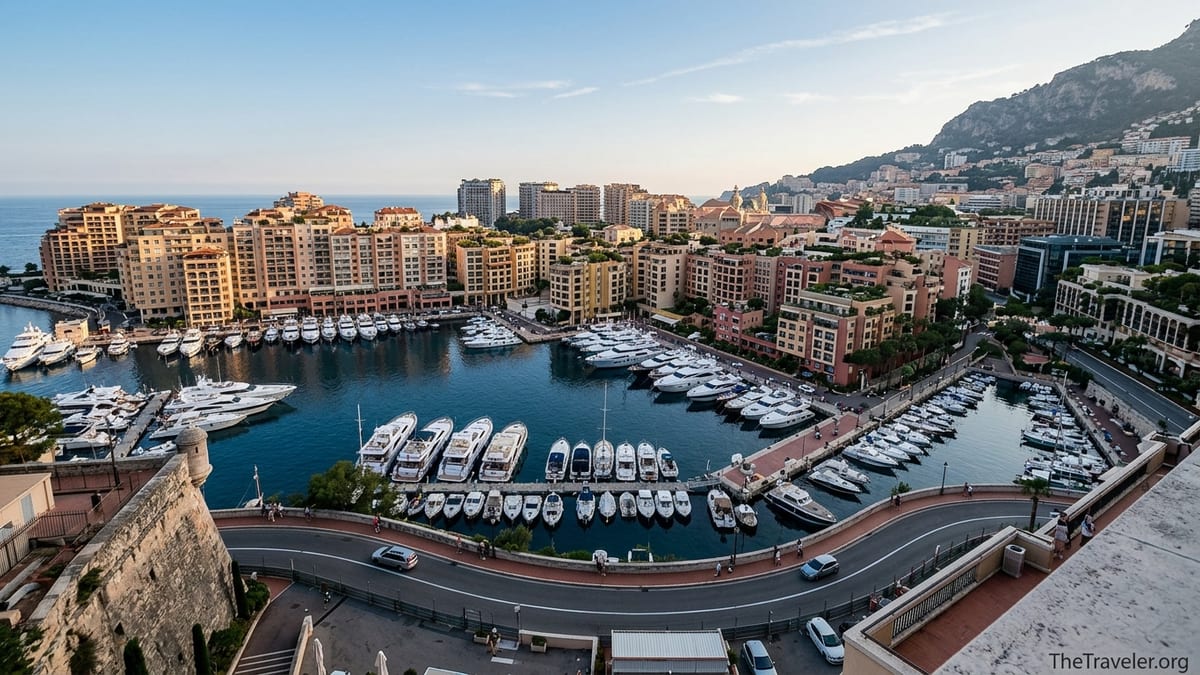
Down at harbor level, Port Hercule is the heart of modern Monaco, framed by superyachts and the grandstands that appear each spring for the Grand Prix. Walking along the quays costs nothing and gives you a front-row look at some of the world’s most expensive vessels. Cafes along the port can be pricey, but you can save money by grabbing a takeaway sandwich or slice of pizza from a local bakery and finding a public bench with a view of the water.
Finish your day in Monte Carlo around Casino Square. Even if you are not interested in gambling, the Casino de Monte-Carlo is worth seeing from the outside, with its ornate facade and immaculate gardens. In the early evening, the square fills with luxury cars arriving at the casino and the neighboring hotels, turning the area into an informal supercar show. If you do want to step inside the casino gaming rooms, be prepared to show identification, respect the dress code in the later hours, and pay a modest entry fee on top of whatever you choose to gamble.
Beaches, Walks and Outdoor Time
For a country better known for racing and roulette, Monaco offers some pleasant options for sea and sun. Larvotto Beach, on the eastern side of the Principality, is the main public beach, recently refurbished with a protected swimming area, modern promenade and a mix of public and private zones. You can lay down your own towel on the public section for free, or rent a sun lounger and umbrella from one of the beach clubs at daily rates that commonly run to several dozen euros in summer.
Water quality in the area is generally good, and on calm days you will see locals swimming laps parallel to the shore before work. Showers and changing facilities along the promenade make it practical to spend a full day by the sea. Beachfront cafes serve everything from coffee and croissants to salads and seafood, although prices are often higher than similar items in neighboring French resorts. If you are watching your budget, consider bringing water and snacks from a supermarket in town before heading down.
One of the best ways to appreciate Monaco’s setting is on foot along the coastal paths. From near the Grimaldi Forum you can follow a seafront promenade that skirts around the cliffs with viewpoints over the Mediterranean and toward Italy. Sections of the famous coastal path that run just outside Monaco, such as the walk between Cap d’Ail and Plage Mala, are reachable by bus or train and offer dramatic scenery with relatively gentle gradients. These walks make a relaxing counterpoint to the intensity of Monte Carlo’s streets.
Green space inside Monaco is limited, but what exists is well maintained. The Japanese Garden near Larvotto is a quiet spot to decompress, with ponds, stone bridges and carefully pruned pines. The Exotic Garden, set high above the city, combines cacti and succulents with panoramic terraces; however, check current opening information before planning a visit, as long-term renovation works have at times affected access. Even small public squares with fountains, like those in Monaco-Ville, can offer shade and a brief escape from the bustle.
Costs, Dining and Practical Money-Saving Tips
Monaco is not a budget destination, but with planning you can keep daily costs under control. As a rough outline, a mid-range traveler staying in Monaco might budget 150 to 250 euros per day per person excluding accommodation, covering meals, local transport, and a couple of paid attractions. Day-trippers who sleep in Nice or Menton could spend less, especially if they limit sit-down restaurant meals and high-end shopping.
Food costs vary widely depending on where and how you eat. Around Casino Square and the harbor, terrace prices rise sharply; a cocktail can easily exceed 20 euros and main courses at top-end restaurants often start above 40 euros. For more moderate options, duck into side streets or head to areas like Condamine Market near the port, where food stalls and casual eateries serve dishes such as socca, pizza, salads and pasta at friendlier prices. Supermarkets and bakery chains sell sandwiches, rotisserie chicken and ready-to-eat salads that many visitors turn into picnic lunches.
Tap water in Monaco is generally safe to drink, so carrying a refillable bottle reduces the need to buy bottled water at cafe prices. Public fountains and some park taps provide refilling points. On transport, short rides on CAM buses cost roughly the price of a city bus ticket in a Western European capital and can be made cheaper with day passes or multi-ride products available via the official app or from ticket sales points. If you plan to ride several times in a day, a 24-hour pass often works out cheaper than buying individual tickets.
Shopping is a major part of Monaco’s image, but even window-shopping can be enjoyable. Around the Metropole and One Monte-Carlo districts you will find flagship stores for major luxury brands. Those not interested in high fashion can look instead for local perfumeries, wine shops and gourmet food stores that sell more affordable souvenirs, such as regional olive oils, chocolates or herbal blends from Provence. Remember that, while Monaco is not in the European Union, it is in a customs union with France, so customs rules will depend on your country of residence when you take items home.
Events, Grand Prix Season and When to Visit
If your mental picture of Monaco is all roaring engines and trackside champagne, you are probably thinking of the Formula 1 Monaco Grand Prix. In 2026 and beyond, the race takes place in early June, with the circuit winding through city streets including the harbor, the tunnel and Casino Square. During race week, temporary grandstands rise over Port Hercule, yachts cluster in the harbor, and many roads are closed or heavily controlled, transforming everyday movement around the city.
Staying in Monaco during Grand Prix week can be unforgettable but costly. Hotel rates often multiply several times compared with quiet-season prices, and many properties require multi-night stays. Grandstand tickets themselves span a wide price range depending on location and day, from comparatively modest sums for Thursday practice seats to premium prices for race-day spots at famous corners. Some visitors opt for hospitality packages on terraces or yachts that bundle food, drinks and viewing for four-figure amounts per person. For a more economical taste of the atmosphere, some travelers base in Nice, take the train in for a single day of practice or qualifying, and watch the race itself on television.
Outside the Grand Prix, Monaco’s calendar includes the Historic Grand Prix, typically held in even-numbered years a few weeks before the Formula 1 race, where vintage race cars tackle the same tight streets. There are also events like the Monte-Carlo Rally, the Monaco Yacht Show in late September, and concerts and exhibitions at the Grimaldi Forum. During these periods, the city can again feel crowded and hotel prices may spike, so check event calendars when planning your dates if you prefer a quieter stay.
For first-time leisure visitors not focused on motorsport, shoulder seasons often offer the best balance of weather, prices and crowds. April and May bring mild temperatures and blooming gardens, while October and early November usually retain pleasant days warm enough for outdoor dining and coastal walks. July and August can be hot, humid and busy, with higher room rates and packed beaches. The winter months of December and January are cooler but still relatively mild by North American standards, and Monaco’s Christmas market and festive lights lend a different kind of charm.
Safety, Etiquette and Cultural Nuances
Monaco is generally considered very safe, with a visible police presence and extensive surveillance. Street crime rates are low compared with many European cities, and it is common to see people walking late at night around the harbor or casino district. That said, basic precautions still apply: keep an eye on your belongings in crowded areas, particularly during major events, and be discreet with valuables. If you are staying in nearby French towns and traveling late by train, take the usual care you would on any regional line.
Dress codes are more relaxed during the day than Monaco’s glamorous image might suggest. Sightseers in shorts, T-shirts and comfortable shoes are a normal sight in summer, especially along the waterfront and at the beach. However, if you plan to enter the casino gaming rooms in the evening or dine in higher-end restaurants, smart-casual attire is expected and sportswear, flip-flops and overly revealing clothing may not be accepted. Many visitors bring one polished outfit specifically for a night around Casino Square, even if they spend the rest of their trip dressed casually.
Politeness goes a long way. Simple French greetings like “bonjour” during the day and “bonsoir” in the evening are appreciated when entering shops or restaurants, even if you then continue in English. Tipping is not obligatory, as service is usually included, but rounding up a cafe bill or leaving 5 to 10 percent in restaurants for good service is customary. On public transport, offering your seat to elderly passengers and avoiding loud calls is expected behavior.
Monaco is densely populated and prides itself on cleanliness and order. Eating on the move is common at the port or beaches, but be mindful of bins and local regulations; littering and some forms of public drinking can attract fines. Swimming in the harbor outside designated areas or climbing onto barriers around the track during race build-up is prohibited, and you should always respect barriers and instructions from officials, especially in the weeks when the Grand Prix infrastructure is being assembled or dismantled.
The Takeaway
For a first-time visitor, Monaco delivers an outsized experience in a tiny space. In a single day you can wander medieval streets in Monaco-Ville, gaze into aquariums perched above the sea, stroll past megayachts in Port Hercule and end your evening under the lights of Casino Square. With smart choices about where to stay, how to move around and where to eat, you can enjoy much of the Principality’s famous glamour without breaking your budget.
Think of Monaco less as a separate destination and more as a concentrated highlight within a larger Riviera itinerary. Pair a night or two in or near the Principality with time in Nice, Menton or the hill villages above the coast, and let Monaco supply the grand spectacle: the mirrored towers clinging to cliffs, the sound of engines echoing through the tunnel in early summer, and sunsets that set the harbor’s water and glass facades glowing. Once you have navigated its hills, buses and promenades for the first time, you will find that returning to Monaco is far easier, and its intensity becomes part of the appeal.
FAQ
Q1. How many days do I need for a first trip to Monaco?
Most first-time visitors find that one full day is enough to see the main sights, but staying one or two nights allows a more relaxed pace and an evening around Casino Square.
Q2. Is Monaco very expensive for everyday travelers?
Monaco is pricey compared with many European cities, especially for hotels and restaurant meals, but day-trippers and careful planners can keep costs moderate by using public transport, eating some meals in casual spots or markets, and avoiding the most exclusive venues.
Q3. Where is the best area to stay for first-time visitors?
Monte Carlo is the most convenient base for classic sights like the casino and harbor, while areas near the train station or Larvotto can offer slightly quieter, sometimes better-value hotels within easy reach of buses and lifts.
Q4. Do I need a car in Monaco?
No. The Principality is small, parking is expensive and traffic can be heavy. Walking, using CAM buses, and taking advantage of public lifts and escalators are usually the fastest and simplest ways to get around.
Q5. Can I visit Monaco as a day trip from Nice?
Yes. Frequent regional trains connect Nice and Monaco in about 25 minutes, making it very practical to spend the day sightseeing in Monaco and return to a hotel in Nice in the evening.
Q6. Is Monaco safe at night?
Monaco is generally very safe, with a strong police presence and low levels of street crime. Normal common-sense precautions still apply, especially when traveling back to neighboring towns late at night.
Q7. What should I wear when visiting the Casino de Monte-Carlo?
During the day, smart-casual attire is usually sufficient, but in the evening the dress code is stricter. Closed shoes, long trousers for men, and neat outfits without sportswear or beachwear are recommended.
Q8. When is the Monaco Grand Prix and should I go then?
The Formula 1 Monaco Grand Prix currently takes place in early June. Visiting during race week offers intense atmosphere but comes with high prices and large crowds; many first-timers prefer a quieter period unless they are motorsport fans.
Q9. Are there public beaches I can use for free?
Yes. Larvotto Beach has a public section where you can lay a towel at no charge, though renting loungers and umbrellas or using beach clubs costs extra.
Q10. Do I need to speak French to get by in Monaco?
French is the official language, but English is widely spoken in hotels, restaurants and tourist services, so most visitors manage easily with basic French phrases and English for more complex questions.