


For many visitors across the years, who enjoy one of Egypt tours, the country was seen and treated as a classic bucket-list destination: a place to visit the Pyramids on your own, photograph the Great Pyramid, sail the Nile, explore Luxor, then move on. Today, that old idea is changing.
Egypt is entering a new stage of tourism development, one that presents the country not only as an ancient civilization to admire, but as a living, evolving, multi-layered destination worth returning to again and again. Egypt is announcing a declaration that it is moving from a “single-visit museum destination” into a repeatable travel experience built on culture, infrastructure, coastal leisure, wellness, sustainability, business tourism, and modern storytelling.
The Branding Shift: From Antiquities to Atmosphere
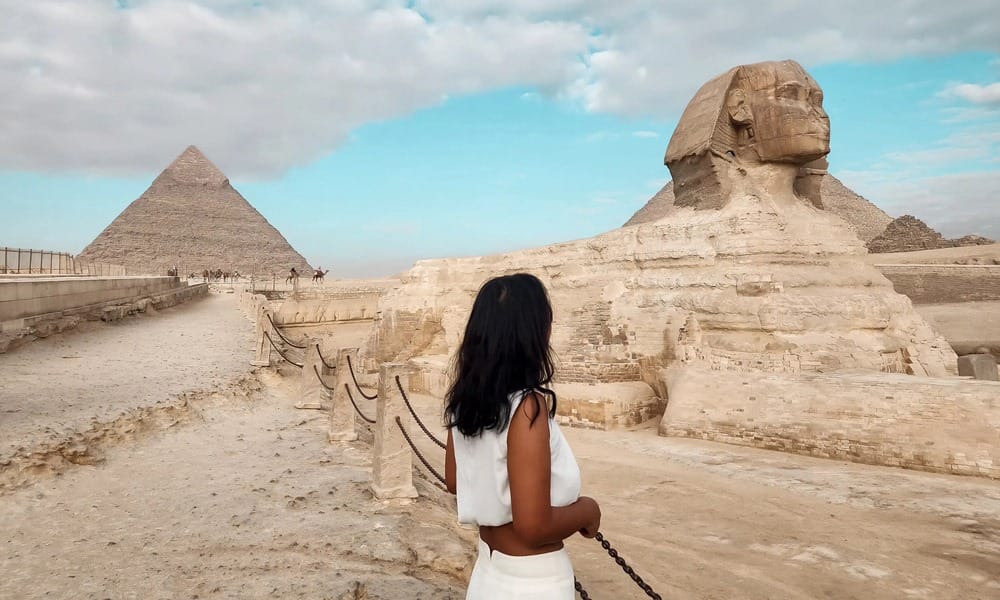
Historically, Egypt’s international tourism image was dominated by its pharaonic identity. The Pyramids of Giza, the Sphinx, Abu Simbel, Karnak, Luxor Temple, the Valley of the Kings, and the treasures of Tutankhamun shaped the way the world imagined the country. This remains one of Egypt’s greatest strengths, but the modern tourism strategy is expanding the story. Instead of presenting Egypt only as a land of ancient monuments, the new direction highlights Egypt as a destination of experiences: museums, food, beaches, desert escapes, wellness, spiritual trails, Red Sea diving, Mediterranean resorts, business events, and contemporary cultural life.
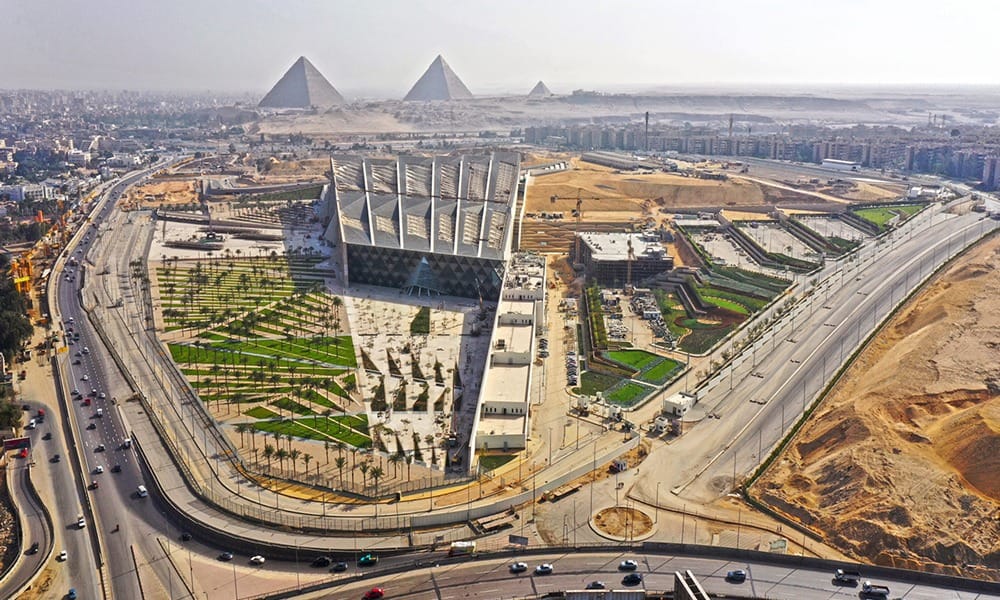
The full public opening of the Grand Egyptian Museum in November 2025 became a major symbol of this shift. The museum is promoted as the world’s largest museum dedicated to a single civilization, displaying nearly 50,000 artifacts and the complete Tutankhamun collection, including more than 5,000 items from his tomb. It is located near the Giza Pyramids and was designed not only as a traditional museum, but as a cultural landmark with conservation, education, and visitor-experience facilities.
This changes Cairo’s position in global tourism. The city is no longer simply a gateway to ancient sites; it is becoming a modern cultural capital where ancient heritage can be experienced through world-class exhibitions, immersive interpretation, contemporary events, high-end retail, and improved access. This message is powerful: Egypt is not frozen in the past. It is a country where the ancient and the modern can exist side by side, creating richer reasons to return.
Infrastructure: Removing the Friction for Repeat Visits
One of the biggest barriers to return tourism in the past was simple logistics, long travel times, congested airports, and outdated transport. In 2026, Egypt is tackling these challenges head-on, through:
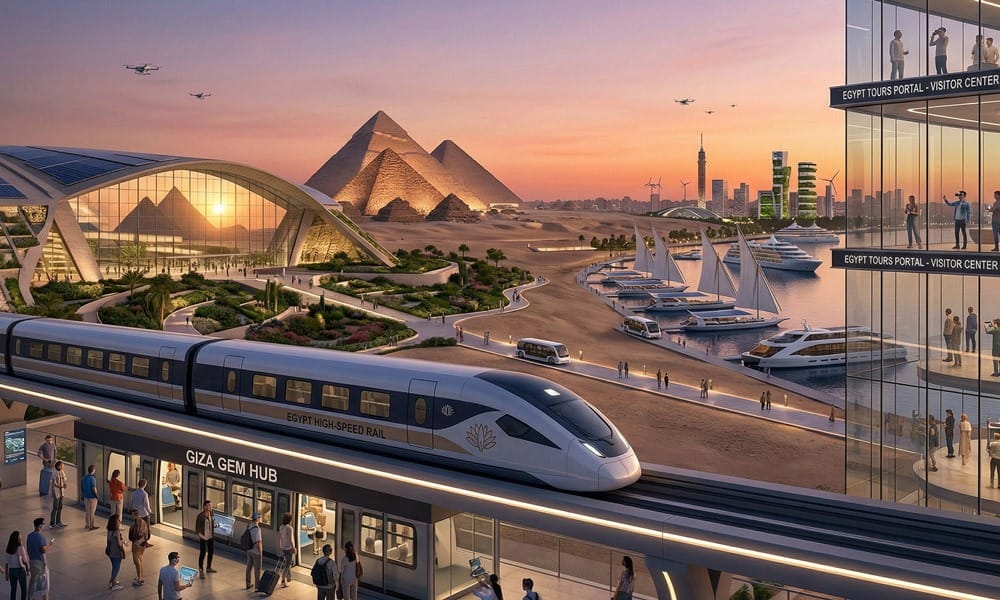
High-Speed Rail Network: Official reporting describes the project as part of Egypt’s future transport strategy, with expected benefits for tourism by linking cultural and historical destinations, including Luxor and Aswan. This is important because Egypt’s classic itinerary often requires movement between Cairo, Luxor, Aswan, the Red Sea, and sometimes the Mediterranean coast. Faster rail connections can make multi-destination trips smoother, especially for travelers interested in train travel through Egypt, and allow them to combine history, beach, and wellness in one journey without feeling exhausted
Sphinx International Airport (SPX): is another important development because of its location near western Cairo, the Giza Plateau, and the Grand Egyptian Museum. Its expansion was designed to improve air connectivity and tourism access, with reports noting a capacity of up to 1.2 million passengers annually after upgrades. This supports short-break tourism, especially from Europe and the Gulf, where travelers may be interested in a focused Cairo-Giza cultural escape rather than a long national tour.
The New Administrative Capital: is designed as an improved business infrastructure that supports Egypt’s rise as a MICE destination, meaning meetings, incentives, conferences, and exhibitions. This matters because business travelers often return more frequently than leisure travelers, especially when a country offers quality hotels, modern venues, reliable transport, and post-meeting leisure options. Egypt’s ability to combine conferences with Cairo, the Red Sea, Luxor, or the North Coast gives it a competitive edge.
These developments are turning Egypt into a smoother, more user-friendly destination where spontaneity and comfort replace exhaustion.
The “Combo” Itinerary: One Country, Many Journeys
Egypt adventures are successfully marketed as magical pathways that offer something new with every visit. A typical 2026 itinerary might unfold like this, especially for independent travelers planning to visit Egypt on your own:
The Cultural Core, which is three immersive days in Cairo, exploring world-class museums and vibrant city life.
The Wellness Buffer, which is a restorative escape to Siwa Oasis or emerging medical and wellness hubs along the Red Sea.
A Nile Cruise between Luxor and Aswan, which is consider the pinnacle of exploring when it comes to discover the grand heritage of Thebes.
Egypt’s beach tourism is becoming a major reason for repeat visits, with the Red Sea attracting travelers through diving, snorkeling, coral reefs, warm winter weather, family resorts, and luxury stays in destinations like Hurghada, Sharm El Sheikh, Sahl Hasheesh, and El Gouna. At the same time, the North Coast, including New Alamein and Ras El Hekma, is strengthening the appeal of Egypt’s Mediterranean coast, helping the country become a year-round destination.
The Red Sea is also expanding with major investment. In 2026, Reuters reported plans for a $1 billion Red Sea marina and hotel development near Ain Sokhna, part of Egypt’s broader strategy to grow tourism capacity and move toward the goal of 30 million annual tourists.
Embracing Sustainability and Slow Travel
Sustainability is no longer optional in modern tourism. Travelers increasingly want destinations that protect natural and cultural heritage, reduce environmental harm, and support local communities. Egypt’s Vision 2030 emphasizes sustainable development, environmental protection, economic diversification, and improving quality of life without compromising future generations.
In tourism, this appears through eco-certification, green hotel programs, conservation projects, and the promotion of nature-based travel. The Green Star Hotel Programme is Egypt’s national eco-certification and capacity-building program for hotels, designed to improve environmental performance, social standards, and operational sustainability.
Egypt has also pushed hotel sustainability in major tourism zones. For example, reporting in 2024 noted that hotels in the Red Sea governorate were required to obtain eco-certification, aligning with sustainable development goals and Egypt Vision 2030.
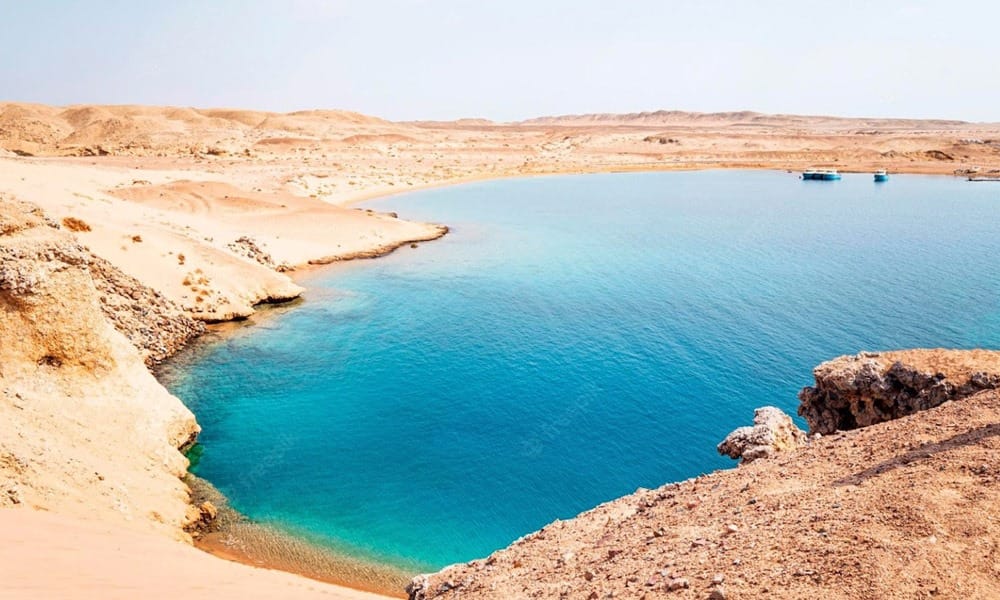
This matters for repeat tourism because slow travel creates emotional attachment. Visitors who hike the Red Sea Mountain Trail, camp in the White Desert, visit Siwa, explore Nubian villages, or spend time in smaller communities are less likely to see Egypt as a quick sightseeing stop. They begin to connect with people, landscapes, food, traditions, and ways of life. That deeper connection is what brings travelers back.
The Results Are Speaking Clearly
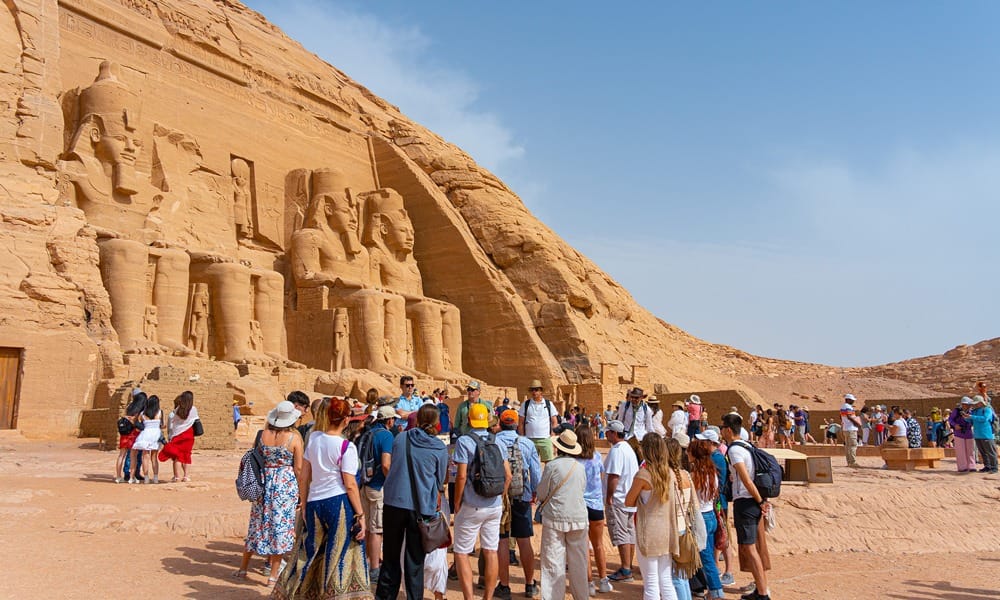
Egypt’s tourism performance shows that this transformation is already producing results. Official figures reported that Egypt welcomed nearly 19 million tourists in 2025, achieving about 21% growth compared to 2024, well above the global average tourism growth rate cited in the same reporting.
This is a major milestone because it suggests that Egypt’s appeal is expanding beyond traditional heritage travelers. The country is attracting visitors through museums, beaches, conferences, coastal resorts, archaeological openings, air connectivity, and diversified experiences. It also reflects resilience, as Egypt’s tourism sector has historically faced disruptions from political changes, global crises, regional tensions, and economic pressures.
A first-time visitor to Egypt may come for the Pyramids, but a return visitor may come for Marsa Alam diving, a luxury Nile cruise, a wellness retreat, New Alamein, the Holy Family Trail, Siwa Oasis, or a business event in Cairo. This is the true sign of destination maturity: when travelers no longer ask, “Have I done Egypt?” but instead, “Which Egypt should I experience next?”
Egypt Has Only Just Begun
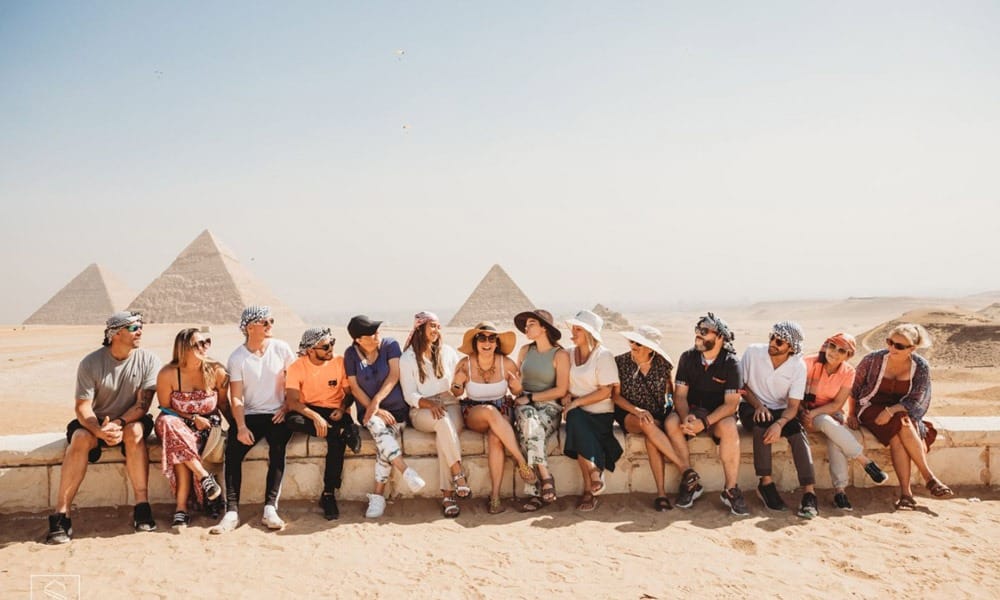
Egypt’s future tourism identity depends on its ability to balance timeless heritage with modern expectations. The country’s greatest asset remains its unmatched historical depth, but its future growth will come from presenting that heritage within a wider travel ecosystem: smooth transportation, clean airports, high-quality hotels, reliable digital services, trained guides, sustainable practices, cultural programming, wellness options, and multi-region itineraries.
The old “Indiana Jones” version of Egypt still has emotional power, but it is no longer enough on its own. Today’s traveler wants meaning, comfort, flexibility, authenticity, and variety. Egypt is increasingly able to offer all of these. It can be a place of archaeology, but also a place of luxury. It can be a place of sacred history, but also a place of diving, dining, music, conferences, and wellness. It can be a destination for families, honeymooners, scholars, business travelers, adventure seekers, and spiritual pilgrims.
In this new stage, Egypt is not asking travelers to come once and leave with a completed checklist. It is inviting them into a long relationship. Every journey can reveal a different layer: the royal tombs of Luxor, the coral reefs of the Red Sea, the silence of the desert, the energy of Cairo, the serenity of the Nile, the elegance of the Alexandria, and the innovation of a country reimagining how the world experiences its past and future.
Egypt’s tourism transformation is therefore not simply about numbers, museums, airports, or hotels. It is about repositioning the country as a destination of continuous discovery. In 2026 and beyond, leaving Egypt should not feel like the end of a trip. It should feel like the beginning of the next one.