


More news on this day
A growing body of travel data and recent tourism agreements is shining a spotlight on a heartbreakingly beautiful Greek island that is quietly captivating travellers from Britain and within Greece itself, reflecting a wider shift toward slower, more sustainable escapes in the Aegean.
Get the latest news straight to your inbox!
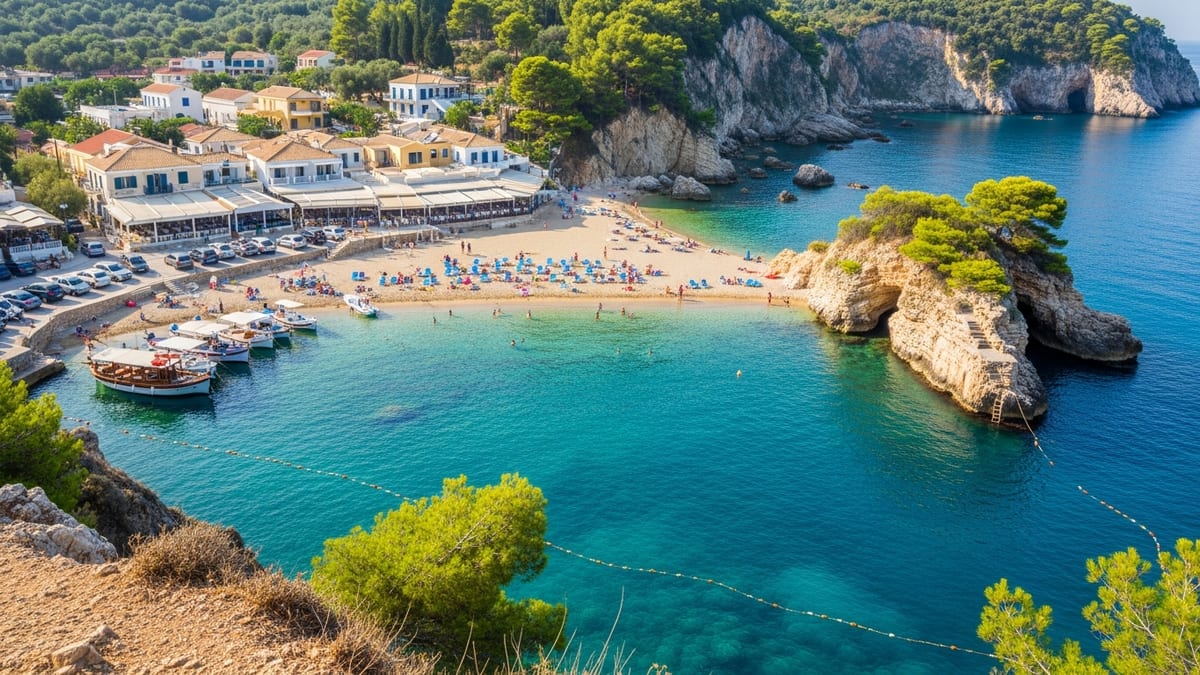
A Quiet Star Rises In Greece’s Island Constellation
Recent booking trends and travel industry analyses indicate that British holidaymakers are increasingly steering away from the busiest resort hubs and toward smaller, less commercial islands that combine dramatic landscapes with traditional village life. These destinations are often described in travel coverage as paradisiacal, offering whitewashed harbors, secluded coves and sunsets that rival Greece’s most photographed hotspots but with a fraction of the crowds.
Among the islands drawing new attention are places such as Lefkada and Kastellorizo in the Ionian and Dodecanese seas, where ferry and accommodation data show bookings from the United Kingdom have surged compared with previous seasons. Analysts say the appeal lies in a blend of affordability, natural beauty and a sense of discovery that has become harder to find on the best known islands.
Greek travellers are part of the same movement. Domestic tourism statistics for 2024 and 2025 show more residents opting for multi-night stays on smaller islands or in family homes, reinforcing demand for quieter destinations that can sustain a longer season without relying solely on peak summer arrivals.
Tourism observers describe this emerging favourite as less a single island than a type of destination: a place where pine forests meet clear water, where traditional festivals still shape the summer calendar and where visitors from Britain and Greece share tavern tables rather than queuing separately for mass excursions.
British Demand Meets Greek Domestic Wanderlust
Official figures on tourism flows underline how closely British and Greek travel patterns are now intertwined. The United Kingdom is routinely among Greece’s top inbound markets by visits and overnight stays, while Greece remains one of the most popular overseas choices for British travellers, supported by a dense network of direct flights and package offers.
At the same time, Greek residents have been taking more trips within their own country, with national statistics agencies reporting increases in domestic overnight stays and higher spending per trip. Many of these holidays are directed toward lesser known islands or mainland coastal regions, often outside the traditional July and August peak.
Industry surveys suggest that British visitors are seeking exactly what Greek travellers themselves are prioritising: authentic neighbourhoods, swimmable beaches that are not overdeveloped and the chance to combine coastal relaxation with cultural exploration. The overlap has helped push a new generation of destinations into the spotlight, where British and Greek tourists are more likely to encounter each other away from the largest resorts.
In this evolving landscape, the “paradise” now captivating both groups is defined as much by pace as by scenery. Longer meals, fewer scheduled activities and a willingness to explore inland villages are increasingly part of the appeal, whether the visitor has flown from London or driven from Athens.
Policy Moves Strengthen UK Greece Tourism Ties
Diplomatic developments have reinforced these on the ground shifts. In July 2026, the United Kingdom and Greece signed a tourism Memorandum of Understanding that aims to deepen cooperation over at least five years. Publicly available government information describes areas of collaboration spanning digital innovation, vocational training and sustainable tourism practices.
The agreement notes that around five million residents of Britain choose to holiday in Greece each year, while the number of Greeks travelling to the UK has risen steadily since the pandemic. The memorandum is framed as a way to support this two way flow and to showcase less familiar destinations alongside established hotspots.
Although the document does not single out specific islands, tourism analysts view this type of framework as important for promoting regional diversity. Marketing campaigns, joint training and data exchange programs are expected to help smaller communities present their own “destination dossiers” to British and Greek travellers, highlighting distinct landscapes, heritage sites and seasonal experiences.
For the island paradises now gaining attention, alignment between central government policies and local tourism strategies will be critical. Efforts to manage visitor numbers, preserve coastal ecosystems and spread arrivals more evenly across the year are likely to determine whether these places can remain both heartbreakingly beautiful and genuinely welcoming.
The Allure Of A Shared, Slower Paradise
Observers say that the emotional pull of this new favourite destination is rooted in perception as much as in geography. British travel features frequently invoke images of Greece as a place of crystalline bays and white chapels framed by bougainvillea, while Greek media often present the islands as refuges from the pressures of urban life. When visitors from both countries converge on the same smaller island, these narratives meet in real time.
Travel behaviour research from the UK indicates that a significant share of holidaymakers now seek meaningful rest and value for money rather than intensive nightlife. Parallel reporting on Greek travellers points to a desire for longer, less hurried stays with friends and relatives, often in locations that still feel closely tied to local traditions.
On the ground, this convergence can translate into full but not overrun tavernas, quiet beaches where Greek and English conversations mingle, and hiking paths where visitors share tips on hidden chapels or family run bakeries. Tourism professionals argue that this atmosphere distinguishes the emerging paradise from more commercialised resorts.
As climate concerns and cost pressures reshape European travel, the shared search for a slower, more rooted experience may continue to drive British and Greek visitors toward the same coastal villages and island harbours. In doing so, they are collectively authoring a new chapter in Greece’s tourism story, in which the most coveted paradise is not necessarily the loudest but the most quietly unforgettable.
Balancing Beauty, Economy And Sustainability
The popularity of these destinations also raises questions about capacity. Greece welcomed tens of millions of foreign visitors in 2024, with tourism revenues reaching several tens of billions of euros according to central bank data. While this has been vital for the national economy, it has sharpened debates over overdevelopment, water use and housing affordability in some regions.
Policy papers from European and international organisations emphasise the importance of diversifying tourism products and promoting less visited areas to avoid concentrating pressure on a small number of islands. The emerging British Greek favourite fits this approach, potentially relieving busier hubs while delivering economic benefits to communities that historically relied on seasonal outmigration.
Local authorities and businesses on these islands are gradually adapting. Reports describe measures such as investing in small scale port improvements, encouraging off season cultural events and adopting digital tools to manage accommodation availability. Many of these initiatives aim to keep the visitor experience intimate while supporting year round employment.
For now, the heartbreakingly beautiful paradise at the centre of Greece’s latest destination dossier remains a moving target, defined by a cluster of islands where British curiosity and Greek wanderlust meet. Its future will depend on whether that meeting can continue to feel like a shared discovery rather than the beginning of another crowded boom.