


More news on this day
With U.S. airlines touting historically low overall cancellation rates heading into the 2026 peak vacation season, most travelers will reach their destinations as planned. But federal performance data and consumer complaint records point to one major ultra-low-cost carrier that still stands out for scrubbing flights and stranding passengers, making it a particularly risky choice for anyone who cannot afford a cancellation this summer.
Get the latest news straight to your inbox!
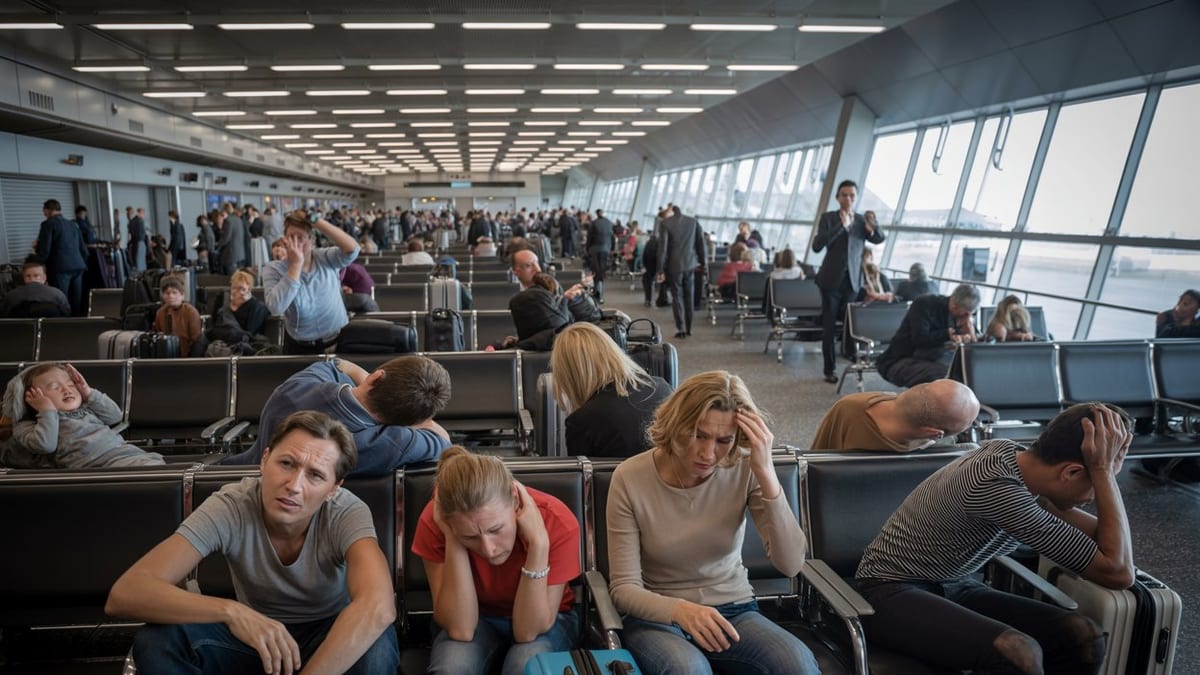
Why Frontier Keeps Ranking at the Bottom
Publicly available numbers from the U.S. Department of Transportation’s Air Travel Consumer Report show that Frontier Airlines has repeatedly reported one of the highest cancellation rates among large U.S. carriers in recent reporting periods. In full-year and year-to-date tallies covering 2024, Frontier’s share of canceled flights exceeded that of most competitors, even as the overall industry rate hovered close to or below 1.5 percent.
Independent reviews of federal data have reached similar conclusions. Analyses released over the last year highlight Frontier as having the worst record for cancellations and on-time arrivals among major U.S. airlines, while also reporting high levels of involuntary bumping. Consumer advocates reviewing the same data have consistently singled out Frontier as a carrier where operational reliability lags the pack.
While percentages in the low single digits may sound small, they translate into tens of thousands of disrupted trips when applied to a full summer schedule. For travelers who have to be on time for a cruise departure, family event or international connection, the relative gap between Frontier and its peers can represent a meaningful increase in risk, even in a year when most flights nationwide operate as scheduled.
Complaint Records Underscore Passenger Impact
Complaint statistics filed with federal regulators add another layer to the picture. Recent summaries of 2024 and early 2025 data show Frontier generating the highest rate of complaints per 100,000 passengers among major U.S. airlines. A substantial share of those grievances relate to cancellations, delays and rebooking difficulties, reinforcing the impression that disruptions with this carrier are both more frequent and more painful for affected travelers.
Consumer groups that have parsed the same complaint files note that Frontier performs poorly across several reliability measures at once, including cancellations, on-time arrivals and denied boardings. That combined pattern suggests that when something goes wrong, passengers may be more likely to face cascading problems such as missed connections, overnight delays and out-of-pocket expenses that are not always covered by the airline.
For budget-conscious travelers, those added costs can erase any savings from a low base fare. Reports from recent summers describe passengers paying last-minute walk-up prices on other airlines, covering hotels and meals themselves, and losing prepaid deposits on tours and vacation rentals after Frontier cancellations upended their plans.
DOT Dashboard Shows Limited Protection When Flights Are Scrubbed
The Transportation Department’s airline cancellation and delay dashboard, created to help travelers compare customer-service commitments, further clarifies what passengers can expect when their flight is canceled for reasons within an airline’s control. The dashboard shows that some carriers now promise meal vouchers, hotel rooms or automatic rebooking on the next available flight at no extra cost when disruptions are the airline’s fault.
Frontier’s policies, as summarized on the dashboard, are notably sparing. The airline does not broadly commit to travel credits when a cancellation leaves passengers waiting significant periods, and its guarantees around hotel accommodations and alternate transportation are narrower than those offered by several full-service competitors. In practice, this means that even when a cancellation is not weather-related, Frontier customers may receive less assistance than travelers on other airlines facing similar disruptions.
For passengers who cannot afford to absorb the cost of a missed night of lodging at their destination or a last-minute replacement ticket, those policy gaps matter as much as the raw cancellation rate. A relatively small chance of a disruption becomes far more consequential if the airline’s own rules limit what it will do to mitigate the financial fallout.
How Frontier Compares With Other Budget Carriers
Ultra-low-cost competitors are not immune to operational challenges, but recent data shows meaningful differences. In some federal reports covering 2024 and early 2025, low-cost carriers such as Spirit and Allegiant recorded lower cancellation percentages than Frontier and, at times, rates that were close to or even better than the industry average. Separate analyses of on-time performance have also found Spirit, in particular, arriving more reliably than Frontier during the same periods.
At the same time, the shutdown of Spirit Airlines in May 2026 has reshaped the budget travel landscape. With one major discounter gone, travelers who once split their business among several low-fare options are being funneled into fewer carriers, including Frontier and JetBlue, at a moment when higher fuel costs and strong demand are already pushing fares upward. Industry coverage suggests that this concentration is likely to leave price-sensitive travelers with fewer alternatives if a flight is canceled at the last minute.
That new environment heightens the stakes of choosing a carrier with a track record of canceling more flights than its peers. With limited competition on some routes formerly served by Spirit, a Frontier cancellation could leave passengers facing either a lengthy delay to the next available departure or a dramatically higher fare on a remaining competitor.
What This Means for Summer 2026 Travelers
Forecasts for the 2026 summer travel period point to another record season in terms of passenger volumes, with federal data indicating that overall cancellation rates remain lower than in the years immediately following the pandemic. Airlines have added staff and adjusted schedules to reduce strain on the system, and many carriers are now operating with fewer last-minute cuts than in summers past.
Even so, patterns from the most recent full year of data and early 2025 suggest that not all airlines are equally positioned to navigate storms, air-traffic constraints and mechanical issues without canceling flights. Among the large carriers, Frontier stands out in public metrics as combining higher cancellation rates, a heavier load of passenger complaints and more limited compensation commitments when things go wrong.
For travelers who can absorb a surprise extra hotel night or a same-day rebooking fee, Frontier’s lower base fares may still be an acceptable gamble. But for those who are stretching to afford a long-awaited summer vacation, are connecting to pricey international itineraries or simply cannot risk being stranded, the latest figures suggest this is the one airline worth avoiding if you cannot afford a canceled flight this summer.