


More news on this day
Poland’s long distance rail network is gaining a fresh injection of passenger friendly rolling stock as 50 modernized Combo railcars begin entering regular PKP Intercity service, following completion of a nationwide upgrade programme.
Get the latest news straight to your inbox!
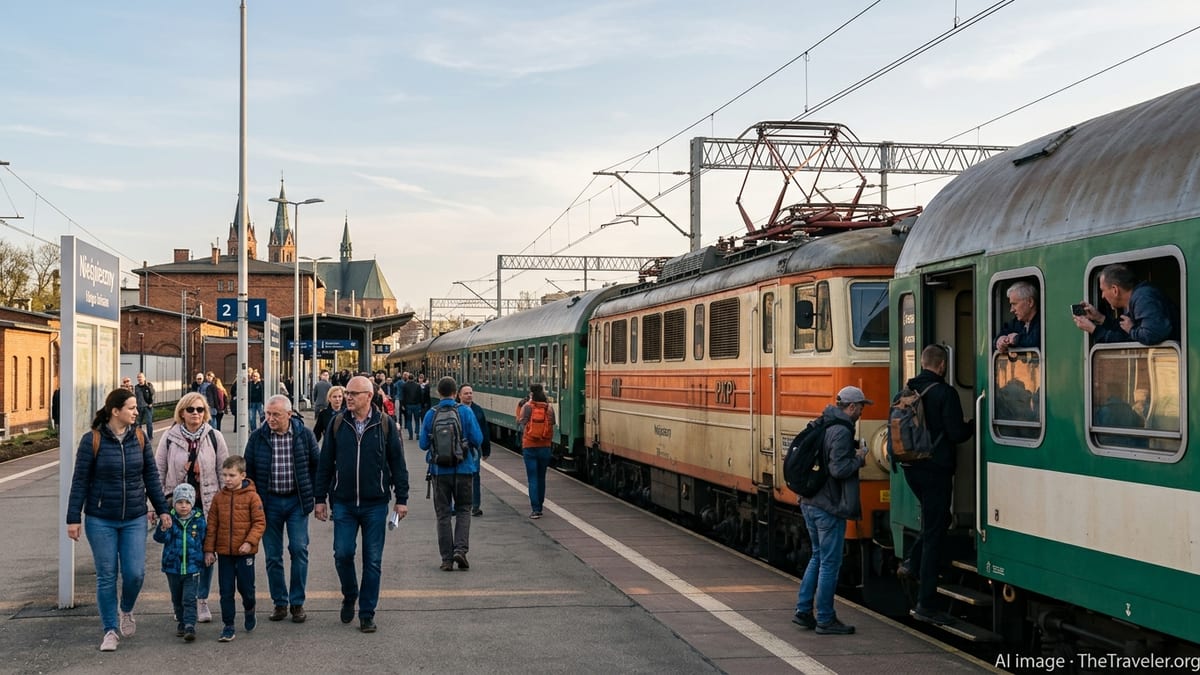
Contract Completion Marks Milestone for PKP Intercity
According to publicly available information from manufacturer H. Cegielski – Fabryka Pojazdów Szynowych, deliveries of all 50 modernized Combo railcars to PKP Intercity were finalized at the end of May 2026. The programme involved periodic repair and deep modernization of existing type 112A coaches to a new multifunctional standard, under a contract reported at roughly 356 million złoty net.
Reports indicate that the first six Combo coaches were handed over in early April, with subsequent batches following in quick succession as acceptance tests were completed. By mid June, industry coverage noted that PKP Intercity had formally received the full set of 50 units, clearing the way for the cars to be rostered more widely on intercity routes.
The Combo project is part of a broader rolling stock renewal effort by PKP Intercity, which has been investing heavily in both new and modernized coaches to meet record passenger numbers. The state operator carried more than 70 million travelers in recent years and has signaled ambitions to approach 100 million in the near term, supported by upgraded long distance fleets.
With the 50 new arrivals, PKP Intercity’s pool of multifunctional Combo cars is set to expand significantly once parallel modernizations at its Remtrak workshops are completed. Sector databases tracking the fleet suggest that, after all ongoing work is finalized, the carrier plans to operate more than 170 Combo type coaches across its network.
Multifunctional Design Aims to Serve Diverse Travelers
Publicly available technical descriptions present the Combo cars as a response to increasingly diverse expectations on long distance routes. Each coach brings together several distinct zones within a single vehicle, complementing traditional open saloon seating with dedicated areas for families, passengers with reduced mobility and cyclists.
The interior layout typically includes a colorful family section with the option to group seats, space for prams and a changing table to support parents traveling with young children. For passengers with disabilities, the cars incorporate a wheelchair accessible compartment, wider aisles, an integrated boarding ramp, a largely threshold free floor and signage including Braille pictograms.
Another prominent feature is the expanded provision for bicycles, reflecting the growth of leisure cycling and multimodal trips across Poland. Each Combo coach includes dedicated bike racks positioned near wide vestibule doors, designed to ease boarding on busy tourist routes where demand for cycle carriage is strong during holiday seasons.
The multiuse concept allows PKP Intercity to assign a single car type to routes with varied passenger profiles instead of operating separate specialist coaches. Observers of the Polish rail market note that this flexibility is especially useful on seasonal and weekend services, when family groups, tourists with bicycles and passengers requiring step free access may all be concentrated on the same trains.
Comfort Upgrades Focus on Quiet, Connected Travel
Alongside the reconfigured spaces, the modernization introduces a higher comfort standard that aligns with broader trends in European intercity rolling stock. Information released by the manufacturer highlights new running gear designed to reduce noise and vibration, which is expected to deliver a quieter ride at typical Polish mainline speeds.
Onboard amenities now considered standard on modern intercity services are also present. Each seat is equipped with 230 volt power outlets and USB sockets, while coaches are fitted with Wi Fi connectivity and a modern passenger information system providing visual and audio announcements. These additions aim to support both business travelers and tourists who increasingly expect continuous connectivity during journeys.
To supplement traditional catering cars on longer trains, Combo vehicles feature two vending machines with hot and cold drinks and snacks. Although relatively modest compared with a full restaurant coach, this equipment broadens access to refreshments on formations where catering capacity is limited or on routes where demand does not justify a full service dining car.
The overall effect is to bring a formerly conventional generation of Polish corridor coaches closer to contemporary comfort expectations without the cost of entirely new vehicles. Rail analysts point out that such deep modernizations can extend vehicle life by several decades when combined with upgraded technical systems and structural overhauls.
Deployment Across Key Intercity and Tourist Routes
Industry portals tracking PKP Intercity operations report that the first Combo units have been entering service on selected long distance routes from Warsaw and other major hubs. Early diagrams have included services linking the capital with regional centers and popular tourist areas, with plans for broader use as more crews are trained and additional coaches are cleared for traffic.
Observers suggest that the new railcars are particularly suited to routes with strong seasonal peaks, such as trains serving the Baltic coast and southern mountain regions. On these lines, demand from families and cyclists rises sharply in holiday periods, making the combination of family zones and enlarged bicycle spaces attractive for timetable planners.
As additional modernized coaches become available, PKP Intercity is expected to pair Combo cars with other refreshed or new vehicles in mixed formations. This approach allows the operator to allocate at least one multifunctional coach to a wide range of trains without completely redefining existing rolling stock sets, which may still include classic compartment cars and newer open saloon designs.
Travel media in Poland note that such incremental improvements are increasingly visible to passengers, who encounter a blend of rolling stock standards depending on route and time of day. The arrival of the 50 modernized Combo railcars is viewed within that context as another step in a gradual uplift of comfort and accessibility across the long distance network.
Signal of Ongoing Domestic Rail Manufacturing Strength
The completion of the Combo modernization contract also highlights the role of domestic rolling stock factories in Poland’s rail renewal. H. Cegielski – FPS in Poznań has positioned the project as part of a growing portfolio of work for PKP Intercity, including both newbuild coaches and additional modernizations planned for the coming years.
Trade press coverage underscores that factories such as FPS, alongside other Polish manufacturers, are benefiting from multi year investment programmes focused on raising standards on the national rail network. Orders for new and upgraded intercity coaches, multiple units and locomotives are being combined with infrastructure upgrades on key corridors to improve journey times and reliability.
For travelers, the immediate impact of the latest milestone will be experienced largely at platform level, where more trains will feature the distinctively branded Combo cars with their mix of family, accessible and bike friendly spaces. As they enter daily service, the 50 modernized railcars add capacity and flexibility at a time when rail is attracting more passengers as an alternative to road and air on medium distance trips within Poland.
In the medium term, rail sector analysts view the completed Combo fleet as one element in a wider transformation of PKP Intercity’s offer. Combined with new long distance trains on order and further coach upgrades now in the pipeline, the multifunctional vehicles are expected to remain a visible and versatile component of Poland’s intercity services for many years.