


More news on this day
Air passengers at Nagpur’s Dr Babasaheb Ambedkar International Airport faced another day of disrupted travel as a third wave of flight delays in five days left many grounded, compounding frustration over what frequent fliers describe as a pattern of worsening reliability on key domestic routes.
Get the latest news straight to your inbox!
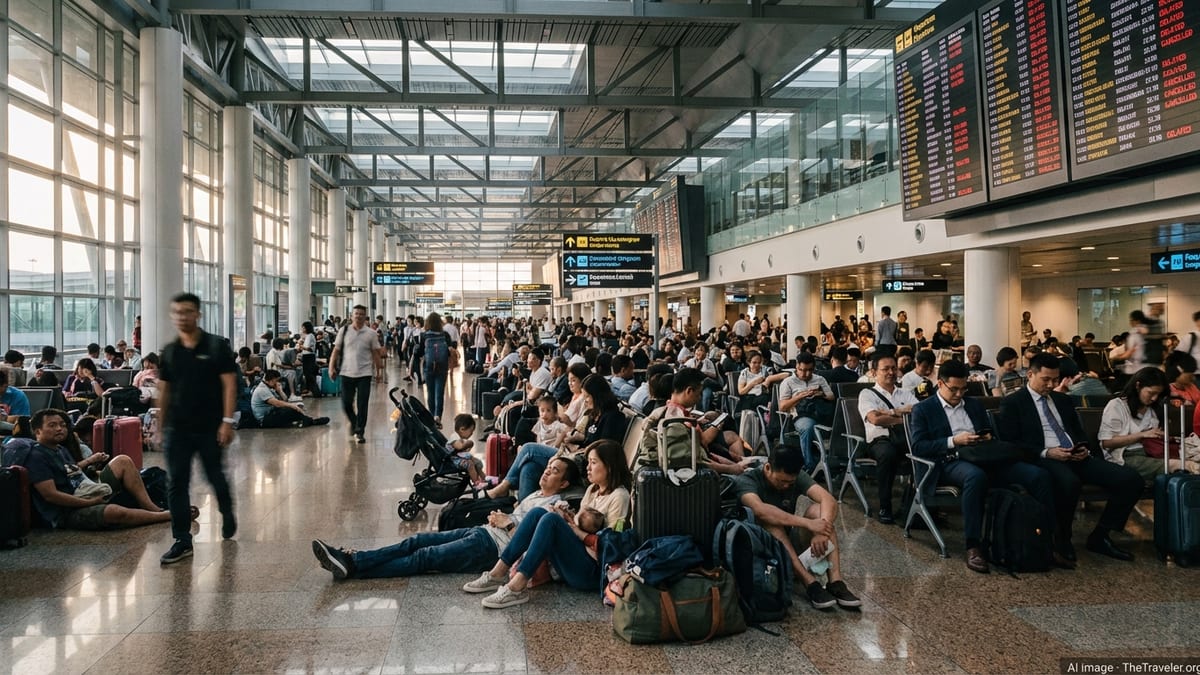
Fresh Disruptions Cap Five Days of Turbulence
Published coverage and live flight tracking data indicate that multiple departures and arrivals involving Nagpur have faced extended delays over the past five days, with the latest wave again affecting early morning and evening bank services. Travelers reported long queues at check in and security, only to find their flights repeatedly rescheduled on terminal information screens.
Operational logs for several carriers show Nagpur linked services to major hubs such as Mumbai, Delhi and southern cities running behind schedule by anywhere from 45 minutes to several hours. For passengers with onward connections, these rolling disruptions translated into missed flights and last minute rebookings, often at significant extra cost.
The latest cluster of delays comes on top of an already challenging year for Nagpur’s airport, which has seen a steady build up of complaints over punctuality, connectivity and pricing. Social media posts from passengers over the weekend described crowded boarding areas, limited seating and scarce real time information on revised departure times.
Although individual flights can be affected by factors such as crew availability, technical checks and air traffic congestion at metro hubs, the recurrence of large delay blocks within a short span has intensified calls for a closer look at planning and oversight on Nagpur routes.
Nagpur’s Chronic Punctuality Problem
Recent reporting based on Right to Information data compiled for 2025 showed that Nagpur recorded hundreds of cancellations and thousands of delayed movements in a single year, painting a picture of chronic stress in local air operations. That data set, which covered flights handled by the airport operator, highlighted one dominant low cost carrier as accounting for a substantial share of scrubbed services.
Analysts note that even before the current spate of disruptions, Nagpur had been flagged as a challenging station for on time performance. Weather in central India can trigger seasonal visibility and wind issues, while the airport’s role as a technical and training base adds layers of complexity to runway and taxiway management.
Passenger commentary from the city over the past year also points to frequent last minute schedule changes on certain trunk routes, particularly early morning and late night rotations that feed into busy metro hubs. For regular business travelers, this has translated into a tendency to pad itineraries with additional buffers or to avoid tight same day connections through Nagpur where possible.
Industry observers say the latest five day sequence of delays is likely to reignite debate over how effectively airlines and the airport coordinate turnaround times, stand allocation and recovery plans when a disruption anywhere in the network cascades into the Nagpur schedule.
Ripple Effects Across Key Domestic Routes
Publicly available flight trackers for services linking Nagpur with Mumbai, Delhi and other regional cities show knock on effects when even a single inbound rotation is significantly delayed. Since many Nagpur flights operate as turnarounds that return to the same metro base, a late arrival often guarantees a late departure, fanning out delays across the rest of the day’s roster.
This pattern has been visible during the current disruption cycle, with morning flights arriving from larger hubs behind schedule and then departing late on their outbound legs. As the day progresses, each subsequent sector inherits part of that delay, leaving little scope for the airline to recover time unless it shortens ground handling windows or swaps aircraft and crews.
Travel specialists point out that passengers using Nagpur as a spoke in a wider journey are disproportionately affected. Many itineraries rely on timed connections through metro airports with tight layovers; when the first leg starts from Nagpur with an hour or more of delay, there is limited flexibility to protect onward segments, especially in peak holiday and business travel periods.
Reports from online booking platforms show that last minute one way fares out of Nagpur can spike sharply on days when delays cluster and capacity tightens, adding a financial sting for travelers forced to abandon original tickets and purchase fresh journeys at short notice.
Airline Strain, Monsoon Weather and Capacity Constraints
The current wave of Nagpur delays is unfolding against a broader backdrop of stress in India’s domestic aviation network. In recent months, several carriers have grappled with fleet availability, crew rostering constraints and high load factors, leaving limited slack in the system to absorb unplanned disruptions.
Monsoon conditions have further complicated operations, particularly at large coastal hubs such as Mumbai, where heavy rain and low visibility can trigger diversions, go arounds and holding patterns. When flights bound for central India depart late or are rerouted, schedules at intermediate stations like Nagpur can quickly become skewed, as aircraft arrive out of slot and ground resources are stretched.
Aviation analysts note that Nagpur’s infrastructure expansion has lagged behind ambitions to position the city as a central aviation and logistics node. While terminal upgrades and a change in airport management are expected to improve capacity over time, the present mix of limited apron space, a constrained taxiway system and growing traffic has created a fragile operating environment where minor disruptions can escalate.
Published commentary from frequent fliers in the region has also drawn attention to what they describe as aggressive scheduling on certain low cost routes, with minimal turnaround buffers that leave little tolerance for delays. When coupled with crew duty time limitations and maintenance requirements, this can result in cascading disruptions that are difficult to unwind within a single operational day.
Passenger Anger Spurs Demands for Transparency
For those stranded during the third wave of delays in five days, the immediate concern has been a lack of timely, clear information. Many travelers posting online describe learning about fresh rescheduling only minutes before boarding time, or seeing gate agents update departure boards multiple times without a firm revised estimate.
Consumer advocates argue that this information gap compounds the inconvenience of delays, making it harder for passengers to reorganize ground transport, notify employers or family members, or seek alternative travel options. Calls have grown for airlines and airports to make better use of mobile notifications, public announcements and staffed help desks when disruptions unfold.
Regulatory guidelines in India set out certain obligations for airlines during extended delays and cancellations, including refreshments, accommodation in specific circumstances and options for refunds or rebooking. However, passengers in Nagpur often report confusion over what assistance they are entitled to receive, particularly when disruptions are attributed to factors such as weather or air traffic control.
With yet another cluster of delays highlighting systemic vulnerabilities, there is rising public pressure for carriers and the airport operator to review scheduling, capacity and communication practices on Nagpur routes. Frequent travelers say that unless reliability improves, they may increasingly opt for rail or road on shorter sectors or shift to alternate airports, undercutting efforts to build Nagpur into a stronger regional aviation hub.