


For second-home owners who love to travel, ThirdHome promises a seductive trade: offer time in your own luxury property and, in return, enjoy “rent-free” stays in high-end homes and resorts around the world. But between membership requirements, exchange fees, and a complex credit system, many travelers are left wondering whether this exclusive club genuinely delivers value or simply adds another layer of cost and complexity to their vacations. This review takes a close, up-to-date look at how ThirdHome works in 2026, what it really costs, and which types of travelers are most likely to come out ahead.
Get the latest updates straight to your inbox!
What Is ThirdHome and Who Is It For?
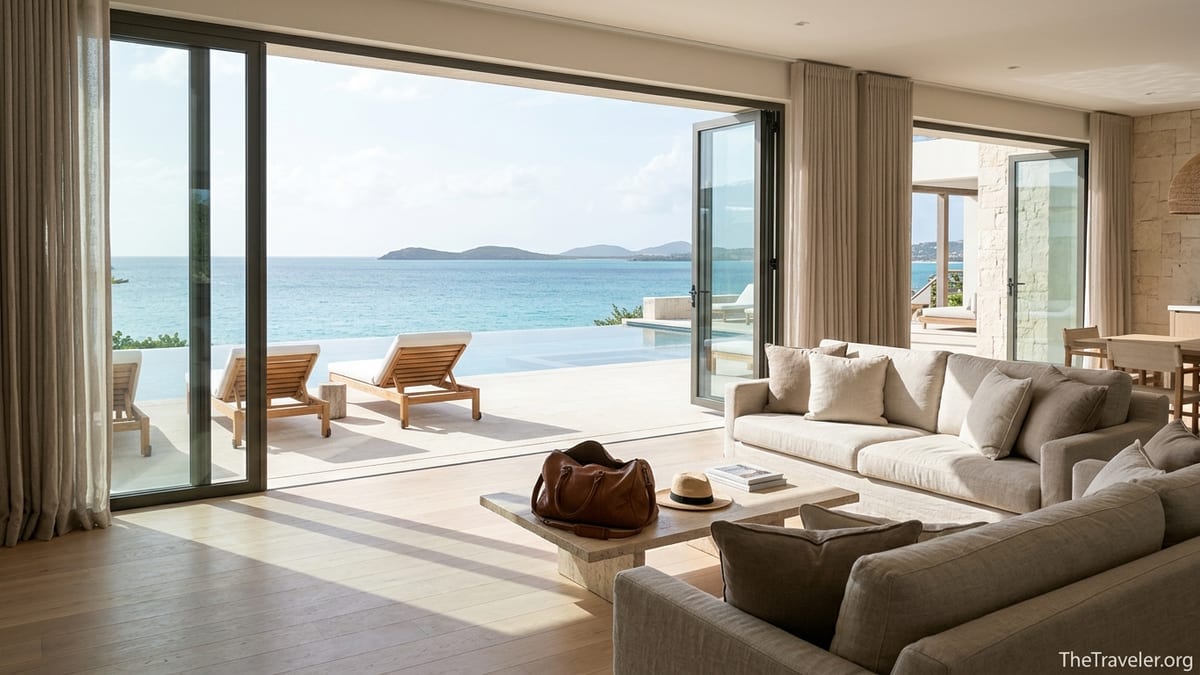
ThirdHome is a members-only home exchange club launched in 2010 that focuses on upscale and luxury properties. Unlike mainstream home-swapping platforms that might include anything from small apartments to modest family homes, ThirdHome’s portfolio centers on second homes with strong vacation appeal: mountain chalets in Colorado, beachfront villas in Mexico, design-forward apartments in European capitals, and similar high-end inventory. The company positions itself as a way for second-home owners to unlock more travel from an asset that often sits empty much of the year.
Membership is not open to everyone. To join the core exchange program, you must typically own a qualifying second home or luxury residence that meets ThirdHome’s standards on value, location, and amenities. While the company does not publish a strict minimum property value on its main site, it makes clear that homes must be in desirable vacation destinations and well appointed. In practice, member properties often include multimillion-dollar ski houses in places like Aspen or Park City, Caribbean villas in areas such as Turks and Caicos, and sleek city apartments in neighborhoods like London’s South Kensington or Manhattan’s Upper West Side.
ThirdHome is aimed squarely at travelers who already spend generously on travel and real estate. A typical member might be a family that owns a second home on Florida’s 30A coast but wants to use that asset to enjoy weeks in Tuscany, Whistler, or Costa Rica without paying full luxury rental prices every time. If you do not own a second home or a primary residence that fits the club’s criteria, your options within ThirdHome are more limited, though the company has introduced ancillary products like curated trips and some “keyless” bookings that expand access.
Because of this positioning, ThirdHome is less comparable to budget-focused home exchange sites and more akin to niche clubs and fractional ownership brands that promise high levels of service, vetted properties, and a network of like-minded travelers. That exclusivity is central to its appeal, but it also shapes who will actually find the membership worthwhile.
How ThirdHome Works: Keys, Deposits, and Exchange Fees
ThirdHome’s system revolves around its own internal currency called Keys. When your home is accepted into the club, the company assigns it a base Key value, generally between 1 and 5, depending on factors like property value, the desirability of your location, and the quality of your furnishings and amenities. A four-bedroom beachfront villa in Maui with a pool and direct sand access might receive a higher Key value than a smaller inland condo near a mid-tier ski resort, for example.
To earn Keys, you deposit available weeks in your home to the ThirdHome platform. Those weeks are then offered to other members to book. The more attractive the week, the more Keys it might earn. A New Year’s week in a Park City slopeside home can command significantly more Keys than a quiet week in shoulder season. ThirdHome explains that each home and bookable week is assigned a Key value based on property value, location, and how in-demand those dates are, and this valuation determines how many Keys you earn by making specific weeks available.
When you find a stay you want to book, you spend Keys rather than paying nightly rent. However, you still pay an exchange fee to ThirdHome for each confirmed stay. According to the company’s published pricing guidance in early 2026, exchange fees are tiered by the number of Keys required. For example, a modest two-Key stay might carry an exchange fee in the mid-hundreds of dollars, while a higher-value eight-Key stay can run into four figures in exchange fees alone. Members should plan on paying several hundred to over a thousand dollars per booking in these fees, even though they are not paying traditional rent for the home.
There are also “keyless” bookings where you can reserve certain properties without spending Keys at all, typically in exchange for a higher cash payment that includes a supplement described as a nominal additional charge. These bookings can be attractive for members who are short on Keys but see a compelling last-minute opportunity, though they move the experience closer to a discounted luxury rental than a pure exchange.
What It Really Costs: Membership, Fees, and Real-World Examples
Beyond exchange fees, ThirdHome’s cost structure has a few layers that potential members should understand. First is the membership fee. ThirdHome has promoted a simple pricing model where new members may pay a modest amount to join, and then an annual membership fee that is only charged if they complete a booking in that calendar year. As of a February 2026 update, that annual fee is described as 295 US dollars, payable in any year you actually use the club to travel. This structure appeals to second-home owners who do not want to carry high fixed costs if they end up staying closer to home in a given year.
Second are the per-stay exchange fees, which are due at the time of booking and vary with the Key level of the stay. A short, low-season stay in a one-Key cottage on Portugal’s Silver Coast might carry an exchange fee in the 400 to 700 dollar range. A prime summer week in a five-Key lakefront home in Lake Como or a four-bedroom penthouse overlooking Barcelona’s Eixample could easily push the fee closer to or above 1,000 dollars. These fees are on top of any local taxes, cleaning charges where applicable, and your own travel costs.
To see how this plays out in practice, consider a hypothetical member who owns a three-bedroom townhouse in Scottsdale worth around 1.2 million dollars. ThirdHome might assign it a mid-range Key value. The owner deposits two popular weeks: one in March during peak golf and baseball spring training season, and one in late October when temperatures are pleasant and events are plentiful. Those two weeks might earn enough Keys to book a seven-night stay in a luxury villa in Costa Rica’s Guanacaste region in July, plus a long weekend in a Paris Left Bank apartment in November. The member would still pay exchange fees for each stay, perhaps totaling around 1,300 to 1,800 dollars for both trips, along with airfare. However, they might avoid paying the 8,000 to 12,000 dollars in combined weekly rental costs that comparable properties could command through luxury villa agencies.
On the other hand, if you do not deposit high-value weeks or if your home is in a less in-demand area, you may need to offer more weeks to earn enough Keys for the trips you have in mind. Owners of homes in quieter inland regions or secondary markets sometimes report needing to be quite flexible, making multiple attractive weeks available to build up a usable Key balance. This can offset some of the value if you are reluctant to give up prime time in your own home.
Where You Can Go: Destinations and Property Quality
ThirdHome’s biggest selling point is its portfolio of luxury properties. The company markets thousands of member homes across six continents, along with partnerships that provide access to certain resort residences and fractional ownership developments. Travelers browsing the site in 2026 will find options ranging from cliffside villas in Santorini to oceanfront estates in Cabo San Lucas, ski chalets in Verbier and Vail, countryside estates in the Cotswolds, and high-rise apartments with skyline views in cities like Dubai and Singapore.
The breadth of inventory can be particularly compelling for families and groups who prefer multi-bedroom homes or villas over traditional hotel suites. For example, a family of six could use Keys to book a three-bedroom oceanview condo in Maui’s Kaanapali area with a full kitchen, large lanai, and resort pool access, instead of squeezing into two hotel rooms at a comparable nightly cash rate. Likewise, couples who enjoy slow travel can use ThirdHome to secure month-long stays in destinations like Provence or coastal Spain, staying in characterful stone farmhouses or contemporary beachfront apartments where long-term resort stays would be cost-prohibitive.
Property quality is generally high because ThirdHome vets homes before admission and reserves the right to remove properties that no longer meet standards. Many member reviews on independent platforms describe homes that match or exceed expectations, with decor and maintenance levels closer to luxury rentals than to basic home swaps. Guests often mention touches like high-thread-count linens, designer kitchens with Sub-Zero and Wolf appliances, and dedicated media rooms or hot tubs. However, as with any peer-to-peer or club-based accommodation model, there can be variability. A property that looked immaculate in photos a few years ago might feel slightly tired if the owner has not kept up with updates, and expectations for “luxury” vary from member to member.
ThirdHome attempts to manage this through detailed listings, photography, and member reviews after each stay. Prospective guests can usually see multiple photos, descriptions of amenities, and feedback from previous members who stayed in the home. That transparency helps reduce risk, but travelers who are accustomed to the consistent branding of a hotel chain should still approach each listing carefully, reading recent reviews and asking detailed questions before finalizing a high-stakes trip such as a multigenerational family reunion.
Member Experience: Service, Support, and Availability
Beyond the homes themselves, much of ThirdHome’s value lies in how easy it is to find and secure desirable stays. On this front, member experiences are mixed but lean positive among travelers whose homes are in high-demand markets. Many long-time members report that the website is straightforward to use, that filtering by region, dates, and Key level is intuitive, and that they can often find attractive options in popular destinations like Italy, Mexico, and the Caribbean if they are reasonably flexible with timing.
Concierge-style support is another differentiator. ThirdHome maintains a member services team that can help you understand how many Keys you are likely to earn from specific weeks, advise on where your Keys will stretch furthest, and even alert you when new inventory appears that matches your wish list. For example, if you have been trying to book a summer stay near Split on Croatia’s Dalmatian Coast, you can work with a representative who will suggest properties, notify you about cancellations, and walk you through the booking process. Several member testimonials highlight responsive staff who help troubleshoot issues like access codes, local recommendations, or last-minute changes.
Availability, however, is not uniform across the calendar. Demand naturally concentrates around school holidays, major events, and peak seasons. February ski weeks in top North American resorts, Christmas and New Year’s in tropical beach destinations, and European capitals in late June tend to get snapped up quickly. Members who have the most success often share two traits: they are willing to travel in shoulder seasons, and they keep their search parameters broad, considering multiple regions or countries instead of just one town. Retirees and remote workers, in particular, can often leverage the system more effectively than families tied to strict school calendars.
When something goes wrong, ThirdHome’s response can make or break the experience. The company has publicized a host protection program with coverage in the multi-million-dollar range designed to address damage that a guest does not reimburse. This is meant to provide reassurance to owners who are understandably nervous about handing over keys to a high-value home. On the guest side, members report that issues such as minor maintenance problems are usually handled through direct communication with the host, but the platform can step in when expectations are clearly not met. As with any travel service, prospective members should read a range of independent reviews to get a sense of how the company has handled both glowing and critical feedback in recent years.
How ThirdHome Compares to Other Home Exchange Options
ThirdHome occupies a distinct niche within the broader world of home exchange. Traditional platforms such as HomeExchange or Love Home Swap cater to a wider range of property types and budgets. On those sites, you might see a small apartment in Berlin swapped with a family home in suburban Toronto, with annual memberships often under a few hundred dollars and nightly values that can be relatively modest. ThirdHome, by contrast, narrows its focus to higher-value second homes, typically in classic vacation destinations, and adds premium pricing through its exchange fees and vetting.
From a cost-benefit standpoint, ThirdHome can deliver outsized value if you are exchanging like for like. A couple trading a week in their luxury slopeside condo in Breckenridge for a week in an oceanfront home in Turks and Caicos is effectively converting unused time in their asset into an experience that might otherwise cost 10,000 dollars or more in rental fees. Paying 1,000 dollars in exchange fees for such a swap can feel like a bargain. On more generalist platforms, that level of inventory is possible but less concentrated, and you may need to sift through far more listings of varying quality.
Where ThirdHome may fall short compared with broader home exchange sites is flexibility for people without second homes or those with more modest properties. If your main residence is a pleasant but average townhouse in a non-resort suburb, it may not qualify for ThirdHome’s core program at all, or you may find that the Keys you earn translate into stays that are not significantly more luxurious than what you could book on a regular vacation rental site. In such cases, paying exchange fees and membership dues may not make financial sense compared with simply renting via mainstream platforms or boutique villa agencies.
Service expectations also differ. Members with a background in country clubs, yacht charters, or private residence clubs often appreciate ThirdHome’s more curated feel and personal support. Budget travelers who are comfortable managing everything themselves online might see the added structure as unnecessary. Understanding your own travel style is crucial: if you value a white-glove touch and like dealing with dedicated staff who know your preferences, ThirdHome’s model will feel familiar; if you prefer total flexibility at the lowest possible cost, other options may be a better fit.
Is ThirdHome Worth It for You? Key Profiles and Use Cases
Whether ThirdHome is worth joining depends heavily on your property, your flexibility, and your travel habits. For owners of highly desirable second homes in places like Aspen, Maui, Napa Valley, or the French Riviera, the math can be compelling. These homeowners already have an asset that commands premium rents on the open market. By depositing just a few peak weeks per year, they can earn enough Keys to travel several weeks elsewhere, paying only exchange fees and their annual membership cost in years they book trips. In effect, they are trading opportunity cost in their own calendar for a portfolio of experiences around the world.
ThirdHome is also attractive for travelers who prioritize space and amenities. A multigenerational family that regularly rents six-bedroom villas in Tuscany or Barbados may find that recurring rental outlays drop sharply if they can cover some of those trips through Keys instead. In practice, a family might deposit two prime weeks at their ski home in Jackson Hole and use the resulting Keys to book a beachfront house in the Bahamas for spring break plus a countryside estate in the English Cotswolds for a late-summer gathering, paying exchange fees that total less than a single week’s high-season villa rental.
On the other hand, if your second home is in a less in-demand location or you are only willing to offer it in low season, you may struggle to accumulate enough Keys for your dream trips without listing more weeks than you are comfortable giving up. Likewise, if you only take one short trip per year and it is always during school holidays to very specific destinations, you may find that competition for the best homes is intense and that the flexibility required to unlock the best value is not realistic for your family.
Prospective members should also factor in their tolerance for complexity. ThirdHome’s Key system is not inherently difficult, but it is more involved than simply paying a nightly rate on a hotel website. You will want to check your Key balance regularly, think strategically about which weeks and seasons you deposit, and plan trips with enough lead time to snag desirable homes. Travelers who enjoy this kind of planning and optimization often thrive within the system, while those who prefer spur-of-the-moment, no-constraints booking may find it cumbersome.
The Takeaway
ThirdHome offers a compelling proposition for a specific slice of the travel market: owners of high-quality second homes who want to leverage unused time in their properties to access a world of similarly upscale stays. With its vetted inventory, internal currency of Keys, and concierge-style support, the club can unlock substantial savings compared with booking equivalent villas or luxury residences at full rental rates, especially for travelers who are flexible about when and where they go.
At the same time, the club is not a universal solution. Exchange fees, membership costs, and the need to deposit attractive weeks introduce real trade-offs. Travelers whose properties are in less in-demand areas or whose schedules are rigid may find that the value proposition is weaker than advertised. Those without qualifying homes will likely find more straightforward options elsewhere in the growing ecosystem of home exchange platforms and vacation rental sites.
If you own a desirable second home, enjoy planning, and are open to exploring a range of destinations and seasons, ThirdHome can be an efficient way to turn your existing real estate investment into a portfolio of global travel experiences. Before joining, take the time to speak with the membership team about how many Keys your home is likely to earn for the weeks you can realistically offer, compare that with the kinds of trips you hope to book, and decide whether the numbers and logistics align with how you actually travel.
Ultimately, ThirdHome is worth joining when your property, flexibility, and expectations line up with the club’s strengths: curated luxury inventory, meaningful savings on high-end stays, and a community of like-minded travelers who see their homes as passports to a wider world.
FAQ
Q1. Do I need to own a second home to join ThirdHome?
In most cases you need to own a qualifying second home or high-end primary residence in a desirable location that meets ThirdHome’s standards for value, amenities, and appeal as a vacation property.
Q2. How much does a ThirdHome membership cost in 2026?
ThirdHome has promoted a structure where you pay a modest amount to join and an annual membership fee of around 295 US dollars in any calendar year in which you complete a booking, plus exchange fees for each stay.
Q3. Are ThirdHome stays really free if I use Keys?
No. Keys let you avoid paying nightly rent, but you still pay a per-stay exchange fee that typically ranges from the mid-hundreds to over 1,000 dollars depending on the Key level of the property.
Q4. What kinds of homes are in the ThirdHome portfolio?
The portfolio focuses on upscale vacation properties such as beachfront villas in Mexico and the Caribbean, ski chalets in North America and Europe, countryside estates, and high-end city apartments in major global destinations.
Q5. How many weeks do I need to deposit to get value from ThirdHome?
It depends on your home’s Key value and the weeks you offer. Owners of very desirable homes can often get meaningful travel from depositing just a few prime weeks, while others may need to offer more weeks or accept more modest stays.
Q6. Can I use ThirdHome if my home is not in a classic vacation destination?
Possibly, but it may be harder. Homes in non-resort suburbs or less-known areas may not qualify or may earn fewer Keys, which can limit the value you receive compared with owners in high-demand locations.
Q7. How does ThirdHome handle damage or problems during a stay?
ThirdHome expects guests to treat homes with care and to reimburse hosts for any damage. The company also promotes a host protection program with significant coverage designed to address damage that a guest does not repay, subject to its terms.
Q8. How far in advance should I book a ThirdHome stay?
For peak periods like school holidays, major events, and top beach or ski seasons, it is wise to search and request stays many months in advance. Flexible travelers can often find attractive options closer to their travel dates, especially in shoulder seasons.
Q9. Is ThirdHome a good option for families with school-age children?
It can be, especially for families who value space and amenities. However, competition for the most desirable homes during school holidays is strong, so some flexibility in dates or destination often leads to better outcomes.
Q10. How does ThirdHome compare to renting through a luxury villa agency?
Financially, ThirdHome can be significantly cheaper if you already own a qualifying home and use Keys, since you pay exchange fees instead of full rental rates. Villa agencies, however, may offer more consistent availability and simpler cash-based booking for travelers without suitable properties to exchange.