


More news on this day
Air travelers across the United States faced another day of disruption as major hubs including Dallas, Atlanta, Houston, Las Vegas and Orlando collectively logged more than 215 flight cancellations and over 4,200 delays, snarling schedules for tens of thousands of passengers and putting renewed focus on the fragility of the country’s summer aviation network.
Get the latest news straight to your inbox!
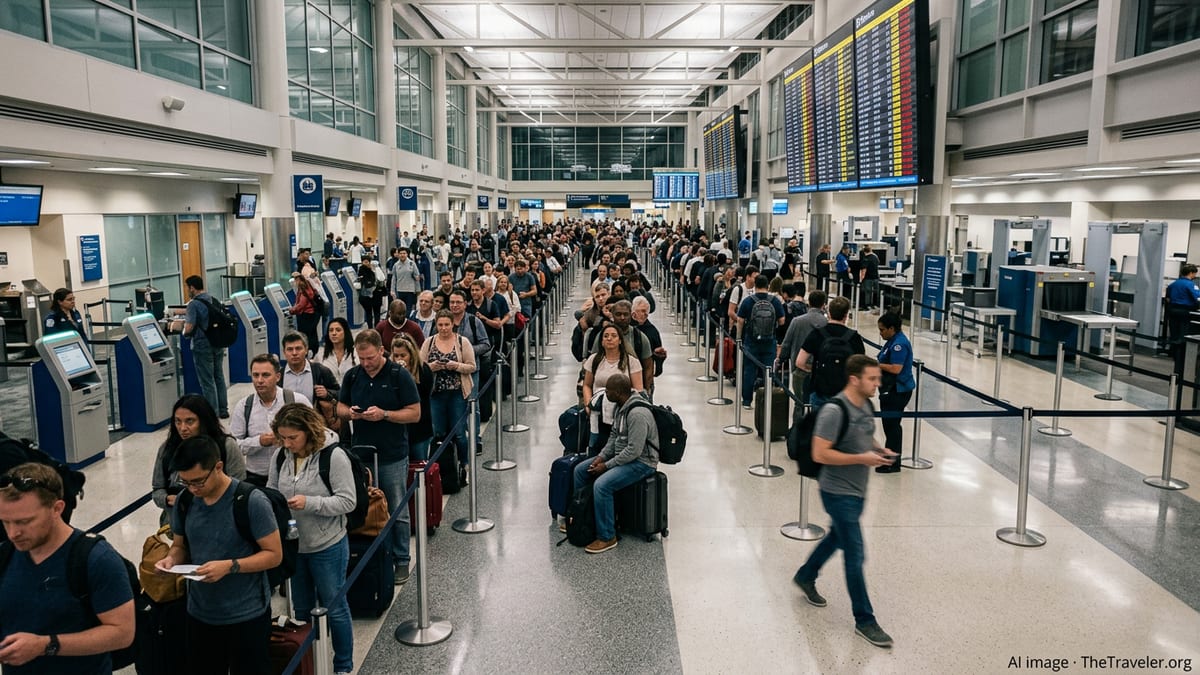
Major Hubs Struggle Under Heavy Operational Strain
The latest wave of disruptions was concentrated at some of the nation’s busiest airports, where any operational hiccup can quickly ripple across the national network. Reports from live tracking services show elevated levels of cancellations and delays at Dallas Fort Worth, Atlanta Hartsfield Jackson, Houston’s primary airports, Las Vegas Harry Reid and Orlando International, among others.
These large hubs function as central connection points for domestic and international travel, so even modest weather or traffic constraints can cascade into significant schedule changes. When arrivals are held or slowed, departures frequently lose their assigned slots, forcing airlines to reshuffle fleets and crews and compounding delays throughout the day.
With the U.S. summer travel season in full swing, passenger volumes remain near or above pre pandemic levels at many of these airports. That intensity leaves little room to absorb unexpected pressure on operations, making airports particularly vulnerable to clusters of delays when storms, staffing challenges or air traffic management initiatives converge.
Travelers at these hubs have reported crowded terminals, long lines at customer service counters and difficulty rebooking, especially during peak departure banks when aircraft and crews are already stretched to capacity.
American, SkyWest, JetBlue, PSA and Others See Schedules Disrupted
The impact of the latest disruptions has been felt across a cross section of carriers, including large mainline airlines and regional operators. Publicly available data indicates that American Airlines, SkyWest Airlines, JetBlue Airways and PSA Airlines were among the carriers experiencing notable cancellations and delays, reflecting how closely interconnected the U.S. route network has become.
Regional airlines such as SkyWest and PSA operate a significant share of flights under the brands of larger network airlines, particularly on shorter routes that feed traffic into major hubs. When those hubs slow down, regional partners are often forced to cancel or delay multiple segments, which can strand travelers in smaller cities with limited alternative options.
JetBlue and other point to point carriers have also been affected where their schedules intersect with constrained airspace or congested airports. Even when an airline has sufficient aircraft and crews available, traffic management initiatives or ground stops can sharply limit the number of departures allowed in a given hour, forcing rapid adjustments to planned operations.
Industry observers note that the distribution of disruption across both network and regional carriers underscores that current challenges are not confined to a single company, but instead reflect broader strains in the national aviation system.
Weather, Congested Airspace and Tight Capacity Combine
While specific causes vary by airport and time of day, operational data and media coverage point to a familiar combination of factors behind the latest cancellations and delays. Seasonal thunderstorms, low visibility and heat related constraints have all contributed at different hubs, prompting air traffic controllers to space out arrivals and departures for safety reasons.
When storms cluster along key flight corridors or near major hubs, aircraft can be forced into holding patterns, rerouted around cells or kept on the ground until a safe window opens. Each of these measures protects safety but reduces the effective capacity of busy airspace and runways, often triggering rolling delays that last for hours.
At the same time, airlines are operating packed summer schedules with high load factors, meaning there are relatively few empty seats available on later flights. As a result, when a flight is cancelled, rebooking can be difficult and may require travelers to accept lengthy layovers, alternate routings or even travel a day later than planned.
Some analysts have also highlighted the ongoing sensitivity of airline operations to crew availability. Even when overall staffing has improved compared with earlier in the pandemic recovery, tightly planned rosters can unravel quickly when crews are delayed reaching their next assignment, forcing additional cancellations to stay within duty time rules.
Travelers Face Missed Connections and Overnight Disruptions
For passengers caught up in the latest wave of disruptions, the practical impacts have ranged from missed connections and delayed vacations to unplanned overnight stays. When delays stack up at major hubs, travelers connecting from one flight to another often find their onward departure has already left, even if the initial delay appears minor at the origin.
Families heading to leisure destinations such as Orlando and Las Vegas are particularly vulnerable during peak holiday periods, when flights may depart full and same day alternatives are scarce. Business travelers connecting through Dallas, Atlanta or Houston have also reported challenges finding workable re routing options as evening schedules thin out.
Consumer advocates note that travelers facing cancellations or significant delays can often benefit from reviewing the specific policies of their carrier regarding rebooking, meal vouchers and overnight accommodations. Those policies vary by airline and depend in part on whether disruptions are categorized as within the airline’s control or the result of uncontrollable factors such as severe weather or air traffic control constraints.
At busy terminals, long lines at staffed counters can slow access to these options. Many passengers turn instead to mobile apps, airline websites or phone support to secure new itineraries, though hold times for customer service can lengthen sharply during large disruption events.
What the Latest Turbulence Signals for the Summer Travel Season
The day’s tally of more than 215 cancellations and over 4,200 delays within, into or out of the United States adds to a pattern of intermittent but significant air travel disruptions during the peak summer season. While overall on time performance can remain reasonable on many days, episodes of concentrated turbulence like this reveal how thin the margin for error has become in parts of the system.
Industry analysts suggest that similar events are likely to continue throughout the busy travel months whenever strong storms, extreme heat or other constraints intersect with already crowded schedules. The combination of robust passenger demand, tight capacity and complex hub operations leaves airlines and airports limited flexibility to absorb sudden shocks.
Some carriers have attempted to reduce vulnerability by trimming schedules slightly, adjusting connection times or adding spare aircraft where possible, while airport and federal aviation planners continue to work on longer term improvements to infrastructure and air traffic management. However, such measures take time to translate into noticeably smoother passenger experiences, particularly during high demand periods.
For now, the latest disruptions at Dallas, Atlanta, Houston, Las Vegas and Orlando serve as another reminder that U.S. air travel remains susceptible to sudden, system wide ripple effects, even when the overall number of cancellations is modest compared with historic extremes. As peak season continues, travelers may increasingly plan with that uncertainty in mind, allowing extra time and flexibility when flying through the country’s busiest hubs.