


More news on this day
Europe’s new biometric border checks are creating longer queues and missed connections for non-EU travellers, but careful planning can significantly reduce the time spent waiting at airport control lines.
Get the latest news straight to your inbox!
Know how the new EU border system works before you fly
Non-EU visitors entering the Schengen area are now processed through the bloc’s Entry/Exit System, a digital register that replaces passport stamping with biometric checks. Publicly available information shows that the system, rolled out from late 2025 and fully in force at all external Schengen borders from April 2026, records each traveller’s face, fingerprints, passport details and entry or exit dates.
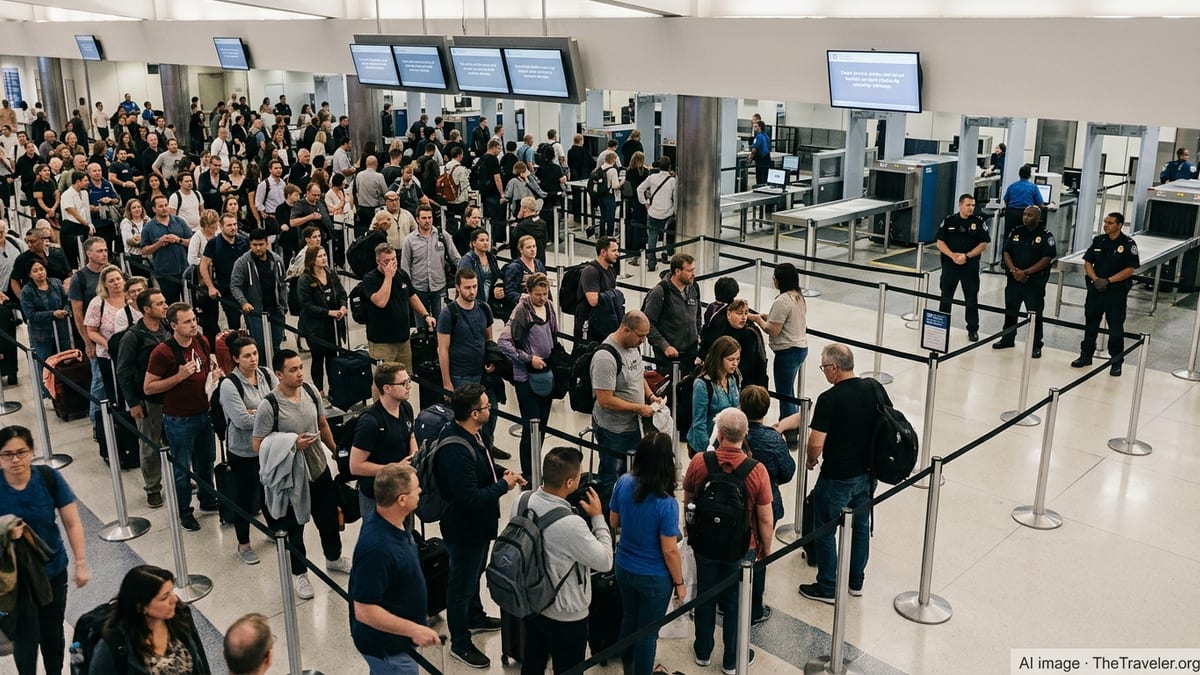
Reports from aviation bodies and European institutions indicate that the first time a traveller enrolls can take several minutes at the border kiosk, especially when combined with form-filling and repeated explanations from staff. At busy hubs where several wide-body flights arrive back-to-back, processing times are reported to have increased by up to 70 per cent, with queues at some airports stretching to two or three hours during peak bank-holiday periods.
The Entry/Exit System is also being introduced ahead of a new travel authorisation scheme, ETIAS, expected later in 2026 for citizens of visa-exempt countries such as the United States, Canada and the United Kingdom. While ETIAS will be completed online before departure, the current bottlenecks are happening at the physical border, where travellers must complete biometric capture in person. Understanding that this is no longer a quick passport stamp, but a full registration procedure, is the first step to planning extra time and reducing the risk of missed connections.
European policy briefings stress that border officers can temporarily scale back some biometric steps if waiting times become excessive, but the basic data entry remains compulsory for most non-EU nationals on short stays. For passengers, that means treating border control as a predictable pain point rather than an afterthought, especially on the first trip since the system went live.
Book smarter itineraries and add buffer time at critical airports
The most effective way to stop EU border checks from costing money is to adjust how and where trips are booked. Airport and airline trade groups have highlighted that the longest queues are forming at major Schengen entry points handling heavy long-haul traffic, particularly at early-morning and late-afternoon peaks. Travellers transiting through these hubs on tight connections are among the most likely to miss onward flights and face rebooking costs or lost hotel nights.
Travel industry guidance increasingly recommends adding at least 90 minutes of buffer time between scheduled landing and any onward European departure when the first leg arrives from outside Schengen. Some carriers and airport operators are advising even longer margins during summer holiday peaks, especially at airports already known for congestion or staffing shortages. While such padding may lengthen total journey time, it can be far cheaper than last-minute ticket changes or forfeited non-refundable reservations.
Routing choices also make a difference. Publicly available analyses of wait times suggest that spreading demand across less congested entry points, when possible, can shorten border lines. For instance, flying into a secondary Schengen airport that handles fewer simultaneous long-haul arrivals, then continuing on a short intra-EU flight, may mean faster processing than joining the queues at a flagship hub where several wide-body flights land within minutes of each other.
Travellers with flexibility can also look closely at arrival times. Data gathered by travel-technology firms and airport passenger groups indicates that late-night and very early-morning arrivals sometimes face shorter queues than mid-morning or evening waves, though patterns vary by destination. Choosing flights that avoid the heaviest arrival banks can shave valuable minutes off border checks and reduce the risk that delays ripple through the rest of an itinerary.
Prepare documents and use available pre-registration tools
Beyond itinerary planning, individual preparation can speed up processing and help keep queues moving. European Parliament briefing papers and airline advisories emphasise the importance of having all documents ready before reaching the front of the line. That means keeping passports, boarding passes and proof of accommodation or return travel within easy reach, rather than rummaging for them when an officer calls.
Consistency of information also matters. Travel advisories note that differences between passport details and airline booking records, such as reversed names or missing middle names, can trigger extra questions or manual corrections, slowing the line for everyone. Ensuring that the spelling and order of names on tickets match the machine-readable section of a passport, and checking that passport numbers have been entered correctly during booking, can reduce these minor but cumulative delays.
Some Schengen countries and airports have started rolling out pre-registration apps and self-service kiosks linked to the Entry/Exit System. Publicly available information indicates that uptake remains patchy, and not every border crossing offers the same tools, but where they are available, completing forms in advance can reduce the time spent at the staffed control desk. Travellers are being advised to check their departure airport’s website or their airline’s pre-travel guidance a few days before flying to see whether any such options exist on their route.
Finally, passenger groups stress the value of arriving at the airport earlier than in previous years, particularly for the outbound leg from Europe after a holiday. Reports from busy leisure destinations show that bottlenecks are occurring not only on arrival but also when tourists leave and must be processed again by the new system. Building extra time into the journey, and moving through check-in and security without delay, leaves a larger margin to absorb any unexpected hold-ups at border control without turning a queue into a missed flight.