


More news on this day
Airlines are accelerating a strategic shift on long-haul networks as new generations of long-range narrowbody jets move from niche experiment to a central tool for opening thinner routes and keeping widebody capacity in check.
Get the latest news straight to your inbox!
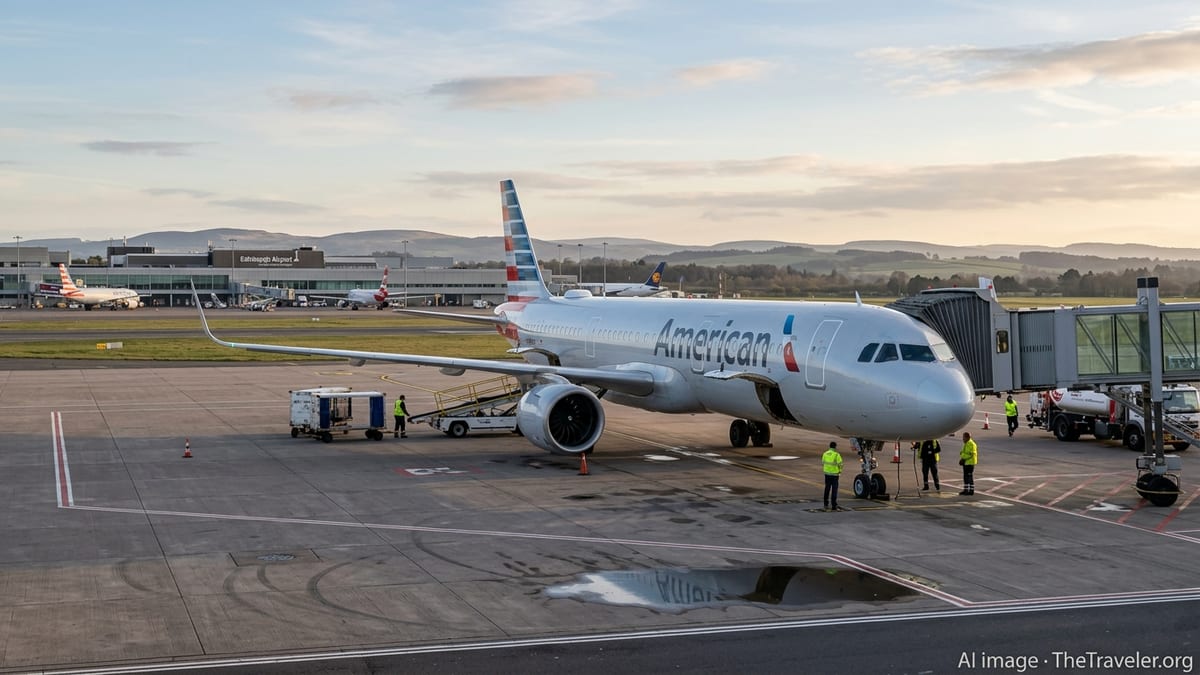
A New Generation of Long-Range Single-Aisle Jets
Long-haul flying was traditionally the domain of large twin-aisle aircraft, but improved engines, aerodynamics and auxiliary fuel tanks have extended the range of single-aisle models to well over 4,000 nautical miles. The Airbus A321LR and A321XLR, along with Boeing’s 737 MAX variants, are enabling airlines to cross the North Atlantic and link secondary cities that once required widebodies or a connecting itinerary.
Industry analyses indicate that the latest A321 long-range variants can cover missions of around eight hours or more, enough to link much of Western Europe with the eastern half of North America in a typical two-class configuration. Similar range figures cited for the 737 MAX family allow selected versions to perform transatlantic and deep intra-continental routes that would previously have stretched narrowbody capabilities.
Data published by airline and manufacturer sources suggest that these aircraft combine extended range with markedly lower fuel burn per seat compared with older narrowbodies and many mid-size widebodies. That efficiency is proving attractive at a time when carriers remain cautious about adding too much capacity while still rebuilding balance sheets and navigating volatile fuel prices.
While widebodies continue to dominate the global long-haul market in overall seat and capacity share, industry reports describe a clear trend toward using single-aisle aircraft to complement large jets on specific long, thin routes where demand is steady but not sufficient to fill a larger twin-aisle year-round.
Transatlantic Becomes a Testbed for Narrowbody Long-Haul
The North Atlantic corridor has emerged as the most visible laboratory for narrowbody long-haul strategies. Publicly available schedules and fleet data show that airlines such as JetBlue, Aer Lingus, TAP Air Portugal and Air Transat have built or expanded transatlantic offerings around long-range A321 variants, connecting cities like Boston, New York, Toronto, Dublin and Lisbon with major European destinations.
Analyses of transatlantic capacity published over the past year highlight that narrowbody seats, while still a minority of total supply, have grown sharply compared with pre-2019 levels. Industry commentaries point to a shift from earlier experiments using Boeing 757s to a more systematic deployment of new-generation single-aisles that offer longer range, modern cabins and lower operating costs.
Reports on network planning decisions indicate that airlines are using these aircraft to target so-called long, thin pairs, such as secondary cities in the northeastern United States linked directly to regional European hubs. On many of these routes, a 200- to 230-seat narrowbody can operate profitably where a 300-seat widebody might have required heavy discounting or seasonal withdrawals.
Consulting and industry studies suggest that narrowbody long-haul deployments are also giving carriers more flexibility with day-of-week patterns and seasonal adjustments. Instead of committing a widebody to daily service, airlines can operate three or four weekly frequencies on a narrowbody, testing demand before adding capacity or upgauging.
Cost, Sustainability and Fleet Strategy Drivers
Financial and environmental considerations sit at the heart of the shift from exclusive reliance on widebodies to a mixed long-haul fleet. Analyses from aviation consultancies and industry associations describe how new-generation narrowbodies typically burn significantly less fuel per seat than older twin-aisle aircraft on comparable stage lengths, especially when they replace aging mid-size widebodies.
This efficiency advantage allows airlines to lower unit costs on thinner routes, supporting competitive fares while preserving margins. It also contributes to emissions-reduction goals, because airlines can right-size capacity to demand rather than flying half-empty widebodies. Industry research on fleet composition shows that narrowbodies already dominate global aircraft counts and are steadily increasing their share of overall available seat kilometers, including on medium and selected long-haul sectors.
Published fleet plans at major airline groups reveal a growing emphasis on long-range narrowbodies as part of broader renewal programs. Orders for A321LR and A321XLR variants, as well as 737 MAX family aircraft, are framed as tools to replace older types, serve new city pairs and maintain connectivity where demand has shifted since the pandemic recovery period.
At the same time, analysts note that the trend does not signal the end of widebodies. Large twin-aisle jets remain essential on trunk routes, major hubs and ultra-long-haul services where premium demand and cargo revenue justify higher capacity. Instead, carriers appear to be fine-tuning fleet mix, pairing new widebody types with efficient narrowbodies to create a more flexible long-haul network.
Passenger Experience and Cabin Design on Narrowbody Long-Haul
The spread of long-haul narrowbody flying has prompted scrutiny of passenger comfort on single-aisle aircraft for flights approaching eight hours or more. Travel reviews and passenger accounts present a mixed picture, often drawing a distinction between legacy short-haul cabin layouts and new long-range configurations designed specifically for extended missions.
Several airlines operating A321LR and A321XLR aircraft across the Atlantic have introduced lie-flat business-class seats, larger seatback screens, in-seat power and upgraded soft products aimed at matching or approximating widebody standards. In economy, seating density and pitch vary by carrier, with some opting for more generous spacing to differentiate their product on longer flights.
Industry commentary suggests that the psychological perception of space plays an important role. Some travelers report that a single-aisle cabin feels more confined over long distances compared with a widebody, regardless of seat pitch, while others emphasize that modern interiors, quieter engines and improved lighting mitigate the difference.
Airlines are closely watching feedback as they refine layouts for upcoming deliveries of long-range single-aisles. Cabin plans disclosed in fleet announcements frequently highlight features such as higher proportion of premium seats, enhanced lavatory and galley arrangements, and connectivity upgrades aimed at making smaller aircraft more acceptable on overnight and business-focused long-haul segments.
What Comes Next for Long-Haul Networks
Looking ahead, network forecasts from aviation consultancies and manufacturer outlooks indicate that the role of long-range narrowbodies is likely to expand through the late 2020s. As more A321XLR aircraft enter service and additional 737 MAX deliveries materialize, airlines are expected to continue experimenting with new nonstop connections between secondary and tertiary cities.
Analysts predict particular growth in markets where population centers sit within roughly 4,000 to 4,700 nautical miles of each other, including further development of transatlantic services, longer intra-Asian routes and links spanning the Indian Ocean and Middle East to parts of Europe and Africa. These patterns could further erode the historic dominance of hub-to-hub flying, in favor of more point-to-point connectivity.
However, industry reports caution that infrastructure, crew planning and regulatory factors will shape how far the trend goes. Extended operations rules, diversion airport availability and airport facilities for international arrivals all influence whether a narrowbody long-haul route is viable in practice, even if the aircraft has the theoretical range.
For now, the broad direction is clear. With economic pressures, environmental targets and evolving traveler preferences all favoring more tailored capacity, long-range single-aisle aircraft are moving from the margins of airline strategy to a central role in how carriers design the next generation of long-haul networks.