


More news on this day
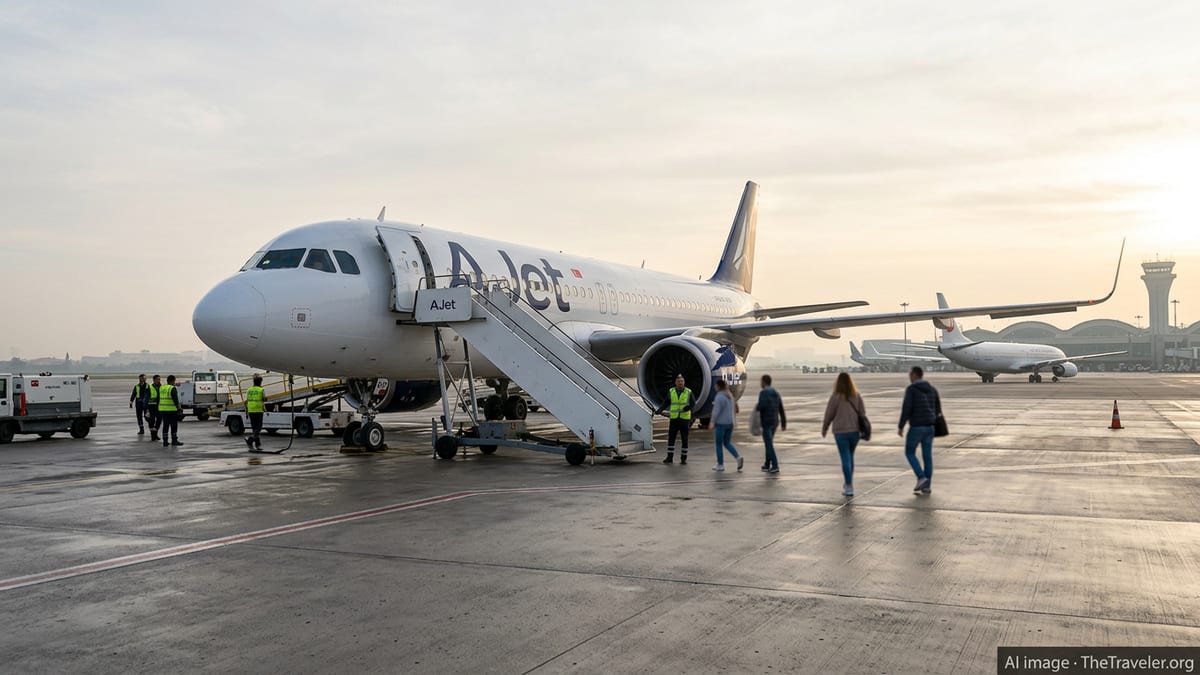
As European air networks adjust in 2026 and Ryanair reroutes parts of its schedule, including diversions to Luxembourg and new links into the Western Balkans, Tirana is using the moment to reposition itself as a low cost, eco focused gateway for European travelers.
Get the latest news straight to your inbox!
Airline Network Shifts Open a Window for the Western Balkans
Ryanair has continued to reconfigure its European network in 2025 and 2026, trimming capacity on some traditional routes while adding services to emerging markets and secondary hubs. Publicly available schedules indicate a pattern of reallocating aircraft to higher margin destinations and growing tourism markets, including new links to airports in the Western Balkans.
At the same time, capacity constraints and infrastructure works in parts of Central Europe have pushed some low cost capacity toward alternative airports such as Luxembourg, which has marketed itself as a convenient gateway for cross border travelers. These shifts are prompting passengers from Germany, France and the Benelux countries to consider new routing options, including connections onward to Southeastern Europe.
For destination marketers in the region, the shake up in flight patterns is less a disruption than an opportunity. Tirana is positioning itself as a logical next step for price sensitive travelers who are already using low cost flights into hubs like Luxembourg and then looking further afield for new, affordable destinations.
Tourism analysts note that low cost carriers have historically been a catalyst for opening lesser known cities to wider European audiences. With Ryanair and rival airlines rotating capacity across the continent, Albania’s capital is seeking to leverage its growing route map and proximity to major EU markets to win a greater share of this traffic.
Tirana Aligns With Albania’s 2030 Sustainable Tourism Vision
The push to attract more visitors through eco tourism is rooted in Albania’s wider policy framework. The country’s National Tourism Strategy for 2024 to 2030 sets out a vision of sustainable, diversified growth, with a strong emphasis on nature based experiences, rural development and protection of cultural and natural assets.
Government documents describe the creation of six tourism regions, including a dedicated Tirana region linked both to the capital and to nearby mountain and rural areas. The strategy highlights eco tourism, agritourism and outdoor recreation as priority products, alongside more traditional coastal and cultural offerings.
National development plans tied to the 2030 horizon also underline environmental sustainability as a core objective. They link tourism growth to broader climate and biodiversity commitments, including pledges to cut greenhouse gas emissions and manage protected areas more effectively. By tapping into these frameworks, Tirana’s tourism stakeholders are able to position new products as part of a long term transition rather than a short term marketing exercise.
Public information from the Ministry of Tourism and Environment and partner institutions points to an expanding set of pilot projects that combine tourism with environmental restoration, community development and climate resilience. These initiatives form the policy backdrop against which the capital is marketing itself to eco conscious European travelers.
Eco-Tourism Experiences Within Easy Reach of the Capital
Tirana’s growing eco tourism offer is shaped by its geography. Within a short drive of the city center, travelers can reach mountainous national parks, traditional villages and lakeside landscapes that have so far seen relatively light international visitor traffic compared with coastal hotspots on the Adriatic and Ionian seas.
Recent coverage from European environmental organizations highlights new forms of nature based tourism emerging across Albania, from hiking and cycling routes to so called astrotourism that makes use of some of the region’s darkest night skies. Many of these experiences are organized around small scale accommodation, local food and low impact activities that appeal to travelers seeking alternatives to crowded city breaks.
Development agencies active in Tirana report increased funding for projects that both protect ecosystems and upgrade basic tourism infrastructure, such as trails, visitor information and waste management systems. The aim is to ensure that a rise in visitor numbers does not damage the very forests, rivers and mountain landscapes that draw eco minded travelers in the first place.
For European visitors arriving on budget airlines, this proximity between an accessible capital city and relatively untouched nature is a key selling point. It allows for long weekend trips that combine urban culture and nightlife with day trips to protected areas, all within a compact footprint and without the need for domestic flights.
European Partnerships Drive Green Campaigns and Visitor Education
Tirana’s eco tourism ambitions are supported by a web of European partnerships. The European Union delegation in Albania has launched several environmental communication and education projects in recent years, including campaigns aimed at raising public awareness of biodiversity protection and sustainable everyday practices.
One recent initiative, branded as a nationwide effort to protect nature, is built around school based activities, public events and communications materials that explain the value of protected areas and responsible tourism. Surveys commissioned as part of these campaigns indicate that while infrastructure gaps remain, there is strong willingness among residents to adopt greener habits when systems are in place.
Italian development cooperation offices based in Tirana are also channeling funding into projects that explicitly link tourism development with environmental safeguards across Albania and neighboring Western Balkan countries. Program descriptions emphasize monitoring tourism impacts, improving local governance of natural resources and piloting green business models in rural areas.
For European travelers, these partnerships translate into a growing number of certified or supported initiatives on the ground, from eco lodges and farm stays to guided nature tours designed around conservation messages. Travel advisors note that such visibility helps visitors distinguish between marketing rhetoric and genuinely lower impact options.
Opportunity for Luxembourg and Connecting Hubs to Promote Greener Trips
The recent focus on Ryanair diversions and added capacity into Luxembourg has sparked debate in the Grand Duchy about its role within Europe’s wider transport network. While some travelers see the airport primarily as a pragmatic alternative during disruptions elsewhere, tourism observers point to a parallel opportunity to steer passengers toward greener itineraries.
As more Europeans piece together multi leg trips that start with a low cost flight into Luxembourg or other secondary hubs and continue onward by air, rail or coach, Tirana is emerging as one of several appealing endpoints. Its combination of competitive prices, visa free access for EU citizens and a clearly articulated sustainability agenda gives it a distinctive position among new city break destinations.
Regional tourism boards and private operators are beginning to market itineraries that frame the journey itself as part of a lower impact experience, for example by highlighting train connections from Luxembourg into larger European rail hubs before an onward flight to Albania, or by promoting longer stays that spread the environmental cost of flying across more days on the ground.
Industry analysts argue that these kinds of combined offers can help reconcile the reality of ongoing aviation demand with tourism strategies that prioritize eco conscious behavior once travelers arrive. In this emerging model, hubs such as Luxembourg function as flexible waypoints, while destinations like Tirana differentiate themselves through nature based products, local partnerships and measurable sustainability commitments.