


More news on this day
A fire burning along a stretch of railroad tracks in Fort Worth sent smoke across nearby roads and neighborhoods and briefly disrupted rail movement, drawing attention to how trackside blazes can quickly affect both local residents and travelers passing through the busy North Texas corridor.
Get the latest news straight to your inbox!
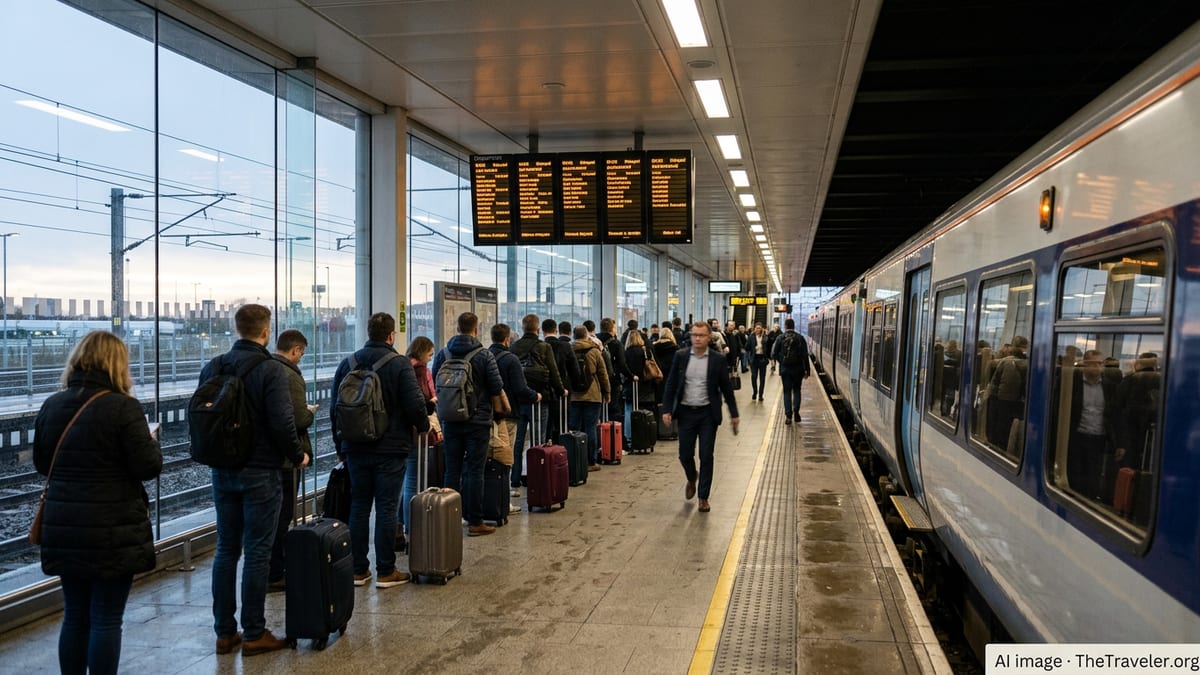
Fire Burns Beside Busy Rail Line in Fort Worth
Recent coverage from local media in North Texas describes a trackside blaze in Fort Worth that ignited in vegetation near the rail right of way, producing visible smoke and flames close to the tracks. The fire was contained to the corridor bordering the line but unfolded near major roadways where both local traffic and through travelers converge.
Reports indicate that the incident developed in hot, dry conditions that have become common in the region’s peak summer period. Brush and grass fires linked to rail corridors are not unusual in Texas during extended warm spells, when even small sparks can quickly ignite dry vegetation bordering the tracks.
Images and video shared in published coverage show smoke columns drifting across nearby streets and low flames running through grass and brush along the ballast at the edge of the tracks. The visual proximity of fire to passing rail equipment drew attention from drivers and residents, many of whom documented the incident on social media as it unfolded.
Early information from public reporting suggests that the fire was brought under control within a relatively short time frame, limiting its spread beyond the immediate trackside area. No major structural damage was described in initial accounts, and the focus remained on restoring both rail and road normalcy as quickly as possible.
Impacts on Rail Traffic and Nearby Roads
According to publicly available information, train movements through the affected section of track were slowed or temporarily halted while crews worked in the area. Even short disruptions in a busy freight and passenger corridor can lead to cascading delays, particularly where multiple lines intersect or where sidings are limited.
Drivers also experienced delays as smoke drifted across adjacent streets and as emergency access routes were prioritized. In some cases, congestion near level crossings can create bottlenecks as motorists wait for clearance or rerouting, a dynamic that can be especially noticeable for visitors unfamiliar with the local street network.
Travelers using Fort Worth as a rail hub or as part of a broader Texas road itinerary can be indirectly affected when trackside fires occur near key junctions. Schedule adjustments, temporary slow orders, and cautionary speed restrictions often remain in effect even after flames are out, as teams assess track integrity, signals, and overhead or wayside equipment.
These brief interruptions underscore how quickly an incident confined to open ground along the right of way can ripple into the wider transportation system. For visitors moving through the city by train or car, such events can translate into missed connections, rescheduled plans, or extended driving times in already congested corridors.
Seasonal Fire Risk Along North Texas Rail Corridors
Fort Worth sits within a part of Texas where seasonal heat and intermittent drought raise the likelihood of grass and brush fires along highways and rail lines. In late summer especially, vegetated strips beside tracks can dry out to the point where minor ignition sources are enough to trigger fast-moving flame fronts.
Rail-adjacent lands often combine tall grass, gravel, and scattered debris, creating a patchwork of fuels that can burn unevenly. When trains pass, mechanical friction, overheated components, or small sparks from braking and wheel interactions can interact with this dry vegetation, a pattern described in wildfire prevention advisories across multiple states.
Urbanized sections of Fort Worth add another layer of complexity. Trackside fires can occur within sight of residential neighborhoods, commercial strips, and major arterials, tightening the radius within which smoke and reduced visibility can affect daily life. For visitors staying in hotels near the city’s rail approaches, such activity may briefly color their experience of the area.
Publicly available data from Texas fire and emergency management agencies has noted a recurring presence of outdoor and grass fires along transportation corridors statewide. While each incident differs in scale, the pattern has encouraged regional planners and rail operators to keep seasonal conditions in mind when preparing for peak travel periods.
What Travelers Passing Through Fort Worth Should Know
For travelers moving through Fort Worth by rail, a trackside fire like this serves as a reminder to build flexibility into trip planning. Checking rail status updates before departure and allowing extra time for transfers can reduce the impact of unplanned slowdowns tied to weather or fire activity along the route.
Motorists driving parallel to or across rail lines in the region may also encounter short-term congestion when crews respond to fires near the tracks. Smoke, lane closures, or rerouted traffic can all add minutes to travel times, particularly around peak commuting hours.
Visitors staying in neighborhoods close to major rail corridors may notice train horns, sirens, or smoke when incidents occur, even if the fire itself is contained to a narrow strip of land. Choosing accommodations slightly removed from heavy industrial or trackside zones can offer a quieter experience for those sensitive to noise or disruptions.
Despite these occasional events, Fort Worth remains a primary gateway for exploring North Texas by both road and rail. Incidents like the recent trackside fire, while disruptive in the moment, are typically contained quickly and followed by safety checks that allow services to resume, keeping the city’s role as a transportation crossroads intact.