


More news on this day
Calgary’s south end experienced major disruption after a freight train derailed near the Shawnessy area, prompting a significant response from police and fire crews and forcing detours for drivers and transit users.
Get the latest news straight to your inbox!
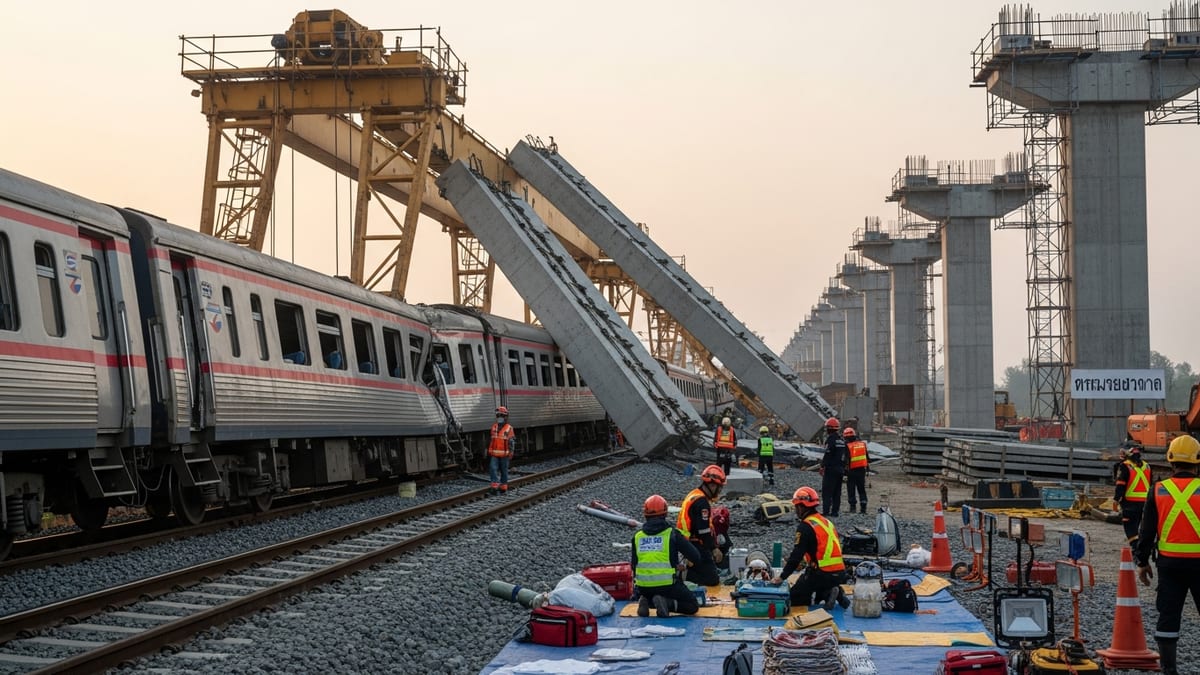
Emergency response near busy south Calgary corridor
Publicly available information indicates that the derailment occurred near the Priddis Slough area, between the communities of Silverado and Shawnessy in Calgary’s deep south. Early reports from local media and community observers describe several freight cars leaving the tracks close to a stormwater pond, with emergency vehicles converging on nearby roads and rail crossings.
Calgary police and fire crews responded to the incident as part of a coordinated emergency effort, with additional support from other city services to manage traffic and assess potential safety risks. Images and eyewitness accounts shared through local outlets show multiple emergency vehicles positioned near the tracks and roadways, creating a visible scene for nearby residents and commuters.
The derailment site sits not far from Macleod Trail and the Red Line CTrain corridor, a busy north–south axis that serves as a key route for both drivers and transit riders moving between the suburbs and central Calgary. The proximity of freight tracks, stormwater infrastructure and household neighbourhoods illustrates the complex mix of land uses that characterize this corner of the city.
Initial reports have not indicated any major fire or hazardous plume at the scene, but fire crews focused on ensuring there were no active leaks, ignition sources or immediate threats to public safety. As assessments continued, responders worked to stabilize the area and coordinate with rail personnel to plan for recovery operations.
Traffic delays and transit impacts for local travelers
The derailment quickly created ripple effects for travel in and around Shawnessy, a community that functions as a major hub for south Calgary commuters. Nearby rail crossings were partially closed or controlled by emergency personnel, forcing drivers to divert through residential streets or delay their journeys while crews worked.
For many locals, the incident compounded existing congestion tied to Calgary Stampede season and ongoing road works across the city. Motorists using Macleod Trail, Stoney Trail and feeder routes into Shawnessy and Silverado reported slower travel times and longer queues near key intersections and shopping areas.
While the CTrain system runs on separate tracks from the freight line involved, any significant rail incident in south Calgary tends to raise questions among commuters about possible service slowdowns or detours. According to travel updates shared publicly, regular CTrain service was expected to remain largely intact, but riders were advised to allow extra time in case of knock‑on delays near affected crossings or bus routes.
For visitors staying in south Calgary hotels or attending events across the city, including Stampede activities, the derailment served as a reminder to check local traffic and transit advisories before setting out. Alternate routes via James McKevitt Road, 162 Avenue and Stoney Trail provided options for travelers aiming to bypass the heaviest disruption near the derailment zone.
Environmental checks around Priddis Slough and nearby pond
The location of the derailment beside a stormwater pond and wetland area raised immediate questions about potential environmental impact. Priddis Slough and adjacent ponds form part of a network of water features and green spaces that collect runoff from surrounding communities, while also serving as informal recreation and wildlife viewing areas for residents.
According to published coverage and rail safety guidance, standard practice in similar incidents involves checking derailed cars for leaks, verifying the nature of any cargo and monitoring nearby water bodies for signs of contamination. In this case, early descriptions shared by local observers suggested that the scene appeared relatively stable, with no obvious odour or visible plume reported from the pond area.
Even when hazardous materials are not involved, heavy equipment operations, ballast disturbance and rail car recovery can affect sensitive edges of sloughs and storm ponds. Environmental teams typically track sediment disturbance and shoreline access as rail companies and contractors move cranes and work vehicles into position.
For travelers using walking paths or cycling routes around south Calgary’s ponds and greenbelts, temporary closures or detours are possible as cleanup and inspections proceed. Visitors are generally advised to respect any taped‑off zones and posted signage while work continues around the derailment site.
Rail safety context for travelers in and around Calgary
The Shawnessy‑area derailment adds to a wider national conversation about rail safety and infrastructure resilience across Canada. Recent derailments in other provinces, as covered by national outlets, have prompted renewed scrutiny of track conditions, train speeds and monitoring systems, particularly where freight lines pass close to residential communities and key transport corridors.
Rail corridors in Calgary’s south connect industrial districts with western and eastern gateways, threading through or alongside neighbourhoods that have grown rapidly over the past two decades. Publicly available planning documents highlight the challenge of balancing economic reliance on rail freight with concerns about noise, traffic blockages and the low‑probability but high‑impact risk of derailments.
For travelers, the incident underscores the importance of staying informed about local conditions when planning journeys that intersect with major rail and road networks. Checking real‑time traffic tools, transit alerts and municipal newsrooms can help visitors and residents alike adapt quickly when rail activity affects crossings, bus routes or arterial roads.
Travelers touring Alberta by car or motorhome may also wish to factor in potential rail bottlenecks when plotting routes through Calgary’s south end, particularly when combining day trips to foothills destinations with overnight stays in city neighbourhoods such as Shawnessy, Silverado, Legacy and nearby communities.
What visitors to south Calgary should know next
As rail crews and city responders continue their work near Shawnessy, recovery and investigation efforts are expected to extend beyond the initial emergency period. Publicly available information typically includes follow‑up details on cargo, cleanup milestones and any long‑term changes to rail operations or local traffic patterns once early assessments are complete.
Visitors planning to stay in Calgary over the coming days may encounter localized delays near the derailment corridor, particularly if heavy equipment remains on‑site or if temporary road closures are required for rail car removal. Hotels, short‑term rentals and event venues in south Calgary often share transportation updates with guests, and travelers can also monitor municipal advisories for evolving conditions.
For many residents, the visible presence of police cruisers, fire apparatus and rail maintenance vehicles near familiar walking routes and commercial areas can be unnerving, even in the absence of serious injuries or major environmental impact. The Shawnessy incident therefore functions not only as a transport disruption but as a reminder of the close interaction between freight infrastructure and everyday urban life.
As Calgary continues to grow southward, future planning discussions are likely to weigh this derailment alongside other recent events in shaping conversations about land use, emergency access and traveler experience in one of the city’s fastest‑developing regions.