


More news on this day
A freight train derailment in Bucyrus, a small city in northern Ohio, prompted evacuation orders late Sunday amid concerns that a damaged tanker car may be leaking hydrochloric acid, according to local media and public safety alerts.
Get the latest news straight to your inbox!
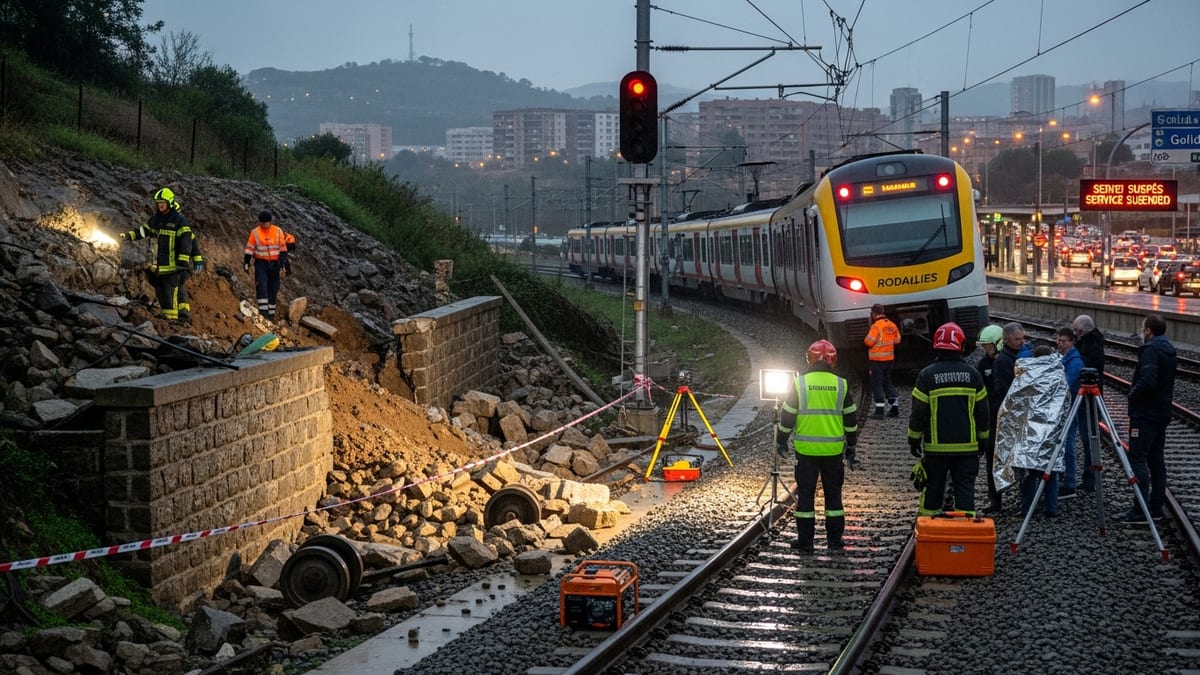
Evacuation Zone and Emergency Shelter Activated
Initial alerts issued late on July 5 indicated that residents living up to one mile from the derailment site near Whetstone Street and Auto Avenue were asked to leave their homes as a precaution. Local coverage described the situation as a hazardous materials response centered on a single tanker car that may be compromised.
Publicly available information shows that local emergency managers expanded on earlier, smaller advisories by specifying a one-mile evacuation radius around the scene. Residents within that zone were advised to move away from the area until further notice, while those outside the zone were urged to avoid traveling near the site to keep access open for response vehicles.
Reports from regional outlets indicate that Bucyrus High School, on West Perry Street, was opened as a temporary shelter for evacuees needing a safe place to stay. The school facility is being used to accommodate families displaced by the evacuation order while responders work to stabilize the train and assess any chemical risk.
Local advisories have emphasized that anyone in the affected area who is unable to self-evacuate should seek assistance from neighbors, relatives, or available community resources. Officials have also urged people to monitor local broadcast and online updates for changes to the evacuation zone or shelter availability.
Concerns Over Possible Hydrochloric Acid Leak
According to published coverage from regional news outlets, responders are focused on a tanker car that may be leaking hydrochloric acid. This corrosive substance is widely used in industry and can pose significant health and environmental risks if released in sufficient quantities.
Emergency messages circulated to residents have referenced a potential risk of explosion associated with the compromised tanker, a factor that contributed to the decision to move people away from the derailment. The wording in public alerts stresses that the hazard is potential and that crews are working to prevent any escalation.
Hydrochloric acid incidents are treated cautiously because the chemical can cause irritation to the eyes, skin, and respiratory system when present at elevated concentrations in the air. Public guidance typically urges people to leave the immediate area, avoid low-lying places where vapors may collect, and wait for instructions before returning.
As of early Monday, publicly available reports had not indicated any widespread injuries. However, the full extent of any release, as well as impacts on nearby soil, air, or waterways, is likely to be the subject of ongoing monitoring by specialized hazardous materials teams.
Rail Safety Scrutiny Heightens After Recent Incidents
The Bucyrus derailment comes at a time of heightened public scrutiny of freight rail operations in Ohio and across the United States. In recent years, high-profile accidents involving trains carrying hazardous materials have prompted renewed debate over track maintenance, train length, staffing levels, and tank car design.
Ohio in particular has been at the center of national attention since a major derailment involving hazardous chemicals in East Palestine in 2023. Subsequent state and federal reviews have highlighted the need for clearer information sharing, more robust emergency planning, and faster notification procedures in the event of a chemical release.
Legislative reports and after-action reviews have recommended improvements such as enhanced monitoring systems for railcars, better training and equipment for local responders, and clearer guidance for when to issue shelter-in-place versus evacuation orders. The latest incident in Bucyrus is likely to feed into ongoing policy discussions about how to reduce risk along busy freight corridors in northern and eastern Ohio.
Advocates for stricter rail regulations argue that recurring derailments, even those without significant injuries, illustrate systemic vulnerabilities. Industry representatives, by contrast, often point to overall declines in accident rates over the long term, while acknowledging that hazardous materials events can have outsized consequences for affected communities.
Community Response and Travel Disruptions
Local media coverage from Bucyrus describes a swift reaction among residents once alerts circulated about the derailment and potential acid leak. People living nearest the tracks moved quickly to pack essentials and head to friends’ homes, hotels, or the designated shelter as the scale of the evacuation zone became clearer.
The derailment site lies near key neighborhood streets, creating knock-on effects for traffic patterns within the city. Advisories have urged drivers to stay away from Whetstone Street, Auto Avenue, and adjacent roads to reduce congestion and allow heavy equipment, hazmat units, and rail crews to access the area.
For travelers transiting northern Ohio by road, detours and delays are possible around Bucyrus while the response continues. Those planning regional trips are being advised by local outlets to check current traffic and news updates before setting out, particularly if routes pass close to the city’s rail lines.
From a tourism perspective, Bucyrus and surrounding Crawford County markets rely on summer events, small-town festivals, and regional travel. While the current focus is firmly on safety and response, visitor numbers could be affected in the short term if road closures or lingering concerns about air quality persist.
What Happens Next for Bucyrus and the Rail Corridor
In the coming days, the priority is expected to remain hazard mitigation at the derailment site. This typically includes stabilizing railcars, confirming whether any hydrochloric acid has escaped from the tanker, and removing damaged equipment from the tracks. Environmental specialists are likely to sample air and, if needed, soil and surface water near the scene to document any contamination.
Once the immediate risk is reduced, attention will shift toward reopening the evacuation zone and enabling residents to return home. Past incidents suggest that this timeline can vary widely, depending on the severity of any leak, weather conditions, and the complexity of cleanup work along the tracks.
Publicly available information from previous Ohio derailments indicates that follow-up investigations often consider train speed, track condition, equipment failure, and operating practices as potential contributing factors. Findings from those inquiries can influence everything from local emergency planning to broader state and federal safety rules.
For now, Bucyrus remains the latest community along a busy Midwestern freight corridor to experience the disruptive effects of a derailment involving possible hazardous materials. As rail traffic continues to play a central role in the movement of chemicals and manufactured goods across northern Ohio, the events unfolding in this small city are likely to resonate far beyond its immediate city limits.