


More news on this day
A freight train fire in rural Crawford County led to the closure of two local roads for several hours over the weekend, disrupting travel while responders worked to secure the scene and assess potential hazards.
Get the latest news straight to your inbox!
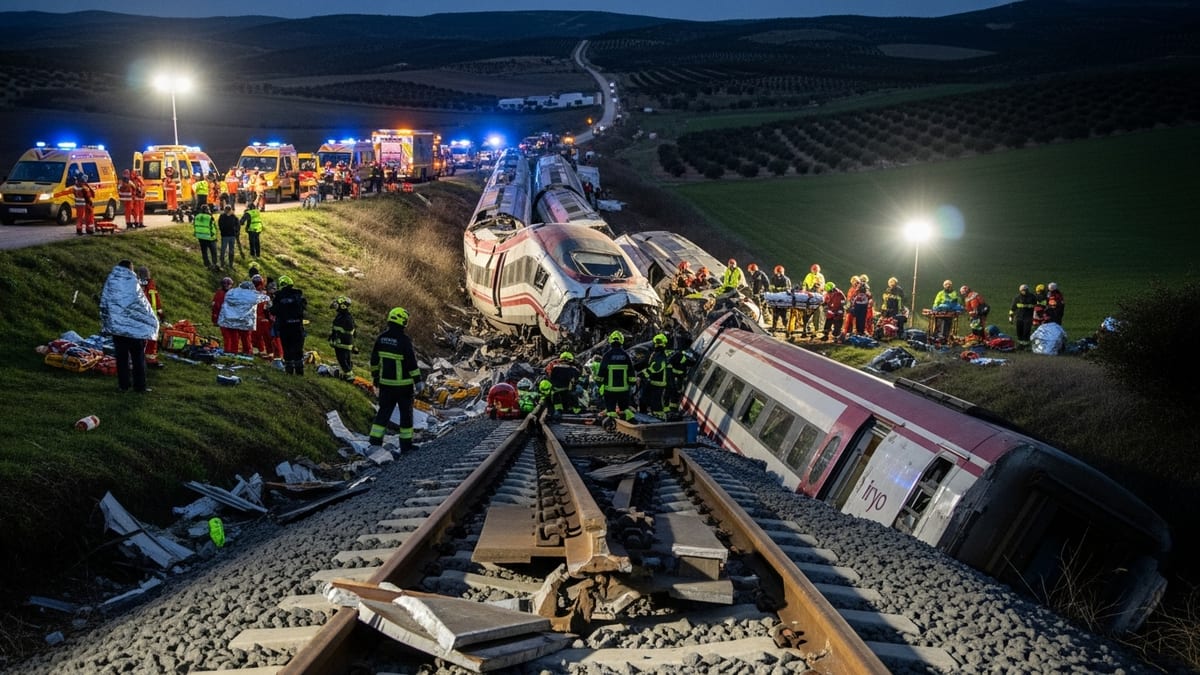
Fire Breaks Out on Stationary Freight Train
Publicly available information indicates that the incident occurred Saturday afternoon when a freight train traveling through Crawford County came to a stop and a fire was reported on a section of the train. Coverage from regional broadcasters describes the blaze as limited to part of the consist, with no immediate reports of injuries among crew or nearby residents.
Early reports suggest the train was carrying mixed freight, and initial accounts did not highlight any large-scale hazardous material release. Even so, images shared by local outlets show heavy smoke rising from at least one railcar, prompting a sizable response and precautionary safety measures in the surrounding area.
The location of the incident appears to be in a rural part of the county where rail lines run close to local roads and farmland. The setting, while away from major population centers, still sees regular traffic from residents, farm vehicles, and visitors using back roads to reach nearby communities and recreation sites.
The fire was brought under control after crews accessed the affected cars along the line, with responders remaining on scene for an extended period to monitor hot spots and evaluate the train and track for damage.
Limery Road and County Road K Closed to Traffic
Reports from local newsrooms state that portions of Limery Road and County Road K in Crawford County were closed for several hours as a result of the fire. Barricades were placed on both approaches to the tracks, cutting off through traffic while emergency personnel operated in and around the rail corridor.
The closures affected residents who rely on these roads to reach homes, farms, and local businesses. Drivers were directed to use alternate rural routes, adding time and distance to what are normally short cross-county trips. Given the narrow, winding nature of many back roads, even a relatively small disruption can have a noticeable impact on daily routines.
Travelers passing through the region, including those en route to outdoor recreation areas along the Mississippi River and nearby small towns, also faced delays. With no quick parallel detours in some stretches of the county road network, many found themselves turning around and consulting navigation apps or roadside advice to find alternate paths.
The closures were lifted only after crews indicated that the scene was stable and that heavy equipment and emergency vehicles no longer required full access to the roadway.
Managing Risk Around Rail Corridors
While the Crawford County fire appears to have been contained to a limited portion of the train, the incident highlights broader concerns about rail safety and road access in rural communities. Across the United States, several recent rail-related fires and derailments have prompted extended road closures and detours, particularly where county roads intersect busy freight corridors.
Rail lines in areas like Crawford County frequently run near rivers, bluffs, and agricultural land, with local roads threaded through steep terrain and floodplains. In such locations, a single blocked crossing or safety perimeter can sever convenient connections between neighboring townships, making route planning more complex for residents and visitors alike.
Public documents on county emergency planning emphasize the importance of maintaining alternate access routes when rail or highway incidents occur. Even when hazardous materials are not involved, smoke, heat, and firefighting activities can make it necessary to keep people and vehicles at a distance until inspections confirm that bridges, crossings, and adjacent infrastructure remain safe.
Events like the Crawford County train fire underscore why travelers in rural regions are frequently encouraged to check regional traffic alerts and local news before setting out, particularly on weekends and holidays when response activity and recreational travel can coincide.
Travel Impacts for Visitors and Through Drivers
The timing and location of the Crawford County train fire had particular implications for travelers using scenic back roads to connect between state highways and river towns. Many visitors to this part of the Midwest drive Limery Road, County Road K, and similar routes as part of day trips that combine small-town stops with outdoor activities.
When closures are enacted with little warning, GPS routes can quickly become outdated, directing drivers toward blocked crossings or into narrow, unfamiliar detours. For those towing trailers, hauling boats, or driving larger recreational vehicles, turning around on small county roads can be especially challenging.
Travel reports linked to the Crawford County incident describe a mix of frustration and patience among motorists who arrived at barricades and were forced to backtrack. Some travelers opted to pause in nearby towns, using the delay to explore local shops and eateries while waiting for roads to reopen, a pattern seen in other rural closures tied to transportation incidents.
The episode serves as a reminder that, in regions where railroads intersect lightly trafficked but essential local roads, a single freight incident can ripple through the broader travel experience, even when the underlying emergency remains geographically contained.
Ongoing Attention to Rail Safety and Rural Infrastructure
As rail traffic continues to be a backbone of freight movement across the central United States, communities like those in Crawford County face the continuing task of balancing economic benefits with safety considerations. Recent planning documents and hazard assessments in the region point to rail corridors, major highways, and local bridges as critical nodes in both everyday life and emergency response.
While the Crawford County train fire did not appear to result in widespread environmental damage or a long-term transportation shutdown, it joins a pattern of incidents that prompt renewed attention to inspection routines, access to water supplies along rail lines, and coordination between rail operators and local responders.
For travelers, the takeaway is practical: rural drives that follow rail lines or depend on a small number of county road crossings can be subject to sudden disruption. Checking for current advisories, allowing extra time on multi-hour routes, and remaining flexible with stops and overnight plans can help mitigate the impact of unexpected closures.
As summer travel continues and freight operations remain steady, Crawford County’s recent experience illustrates how even a localized train fire can shape movement through a wider region, briefly redirecting the flow of cars, trucks, and vacationers across the rural landscape.