


Southern Italy is where Italy slows down, flavors get bolder, and everyday life spills into piazzas late into the night. From the volcanic drama of Naples and the Amalfi Coast to the whitewashed lanes of Puglia and the rugged beauty of Calabria and Basilicata, this part of the country rewards travelers who are willing to go beyond postcard views and lean into real local life. This guide brings together current practical insights, standout destinations, and concrete examples of food and experiences to help you plan a memorable trip in 2026 and beyond.
Get the latest updates straight to your inbox!
Understanding Southern Italy in 2026
Southern Italy generally refers to the regions of Campania, Puglia, Basilicata, Calabria, and often Sicily. For many visitors, Naples is the main gateway, with high speed Frecciarossa and Italo trains linking it to Rome in around 1 hour 10 minutes and Florence in about 3 hours. From Naples you can continue by fast trains down the Tyrrhenian coast to Salerno and Reggio Calabria, or across to Bari and the Adriatic side, which is being progressively upgraded to cut travel times to roughly 2 hours between Naples and Bari over the coming years.
Infrastructure is improving but travel here still feels different from northern Italy. Expect more regional trains, buses and ferries, and a slower overall pace once you leave major hubs. For example, a fast train from Naples to Salerno can take about 40 minutes, while a regional train across Calabria’s coast might average under 60 kilometers per hour and stop at every small town. Building some slack into your schedule makes it easier to enjoy last minute invitations for coffee, an extra gelato stop, or a spontaneous detour to a village festival.
Prices in the south remain relatively good value compared with cities like Milan or Venice, especially outside peak summer. In many midsize towns a good espresso at the bar still costs around 1.20 to 1.50 euro, a wood fired pizza in a simple local pizzeria can be 7 to 10 euro, and a glass of house wine in a trattoria is often 3 to 5 euro. Accommodation ranges from family run B&Bs from roughly 70 to 120 euro per night for a double room in shoulder season, to boutique hotels and agriturismi that might average 140 to 220 euro, depending on the location.
Seasonality matters. Late May to June and September offer warm seas, long days, and fewer crowds than late July and August, when coastal areas from the Amalfi Coast to Salento and the Aeolian Islands can feel packed and prices climb sharply. In winter many coastal resort towns partially shut down, but cities like Naples, Bari, Lecce, and Palermo remain lively year round and can be excellent bases for food focused trips.
Key Destinations You Should Not Miss
Naples remains the chaotic, compelling heart of Southern Italy. It is the place to base yourself if you want easy day trips to Pompeii, Herculaneum, Mount Vesuvius, and the islands of Capri and Ischia. Staying in the historic center around Spaccanapoli or the Spanish Quarter puts you within walking distance of old style pizzerie, tiny pastry shops selling sfogliatelle, and buzzing nightlife around Piazza Bellini. Many visitors now pair three nights in Naples with two in a quieter base like Sorrento or Salerno to balance big city energy with coastal relaxation.
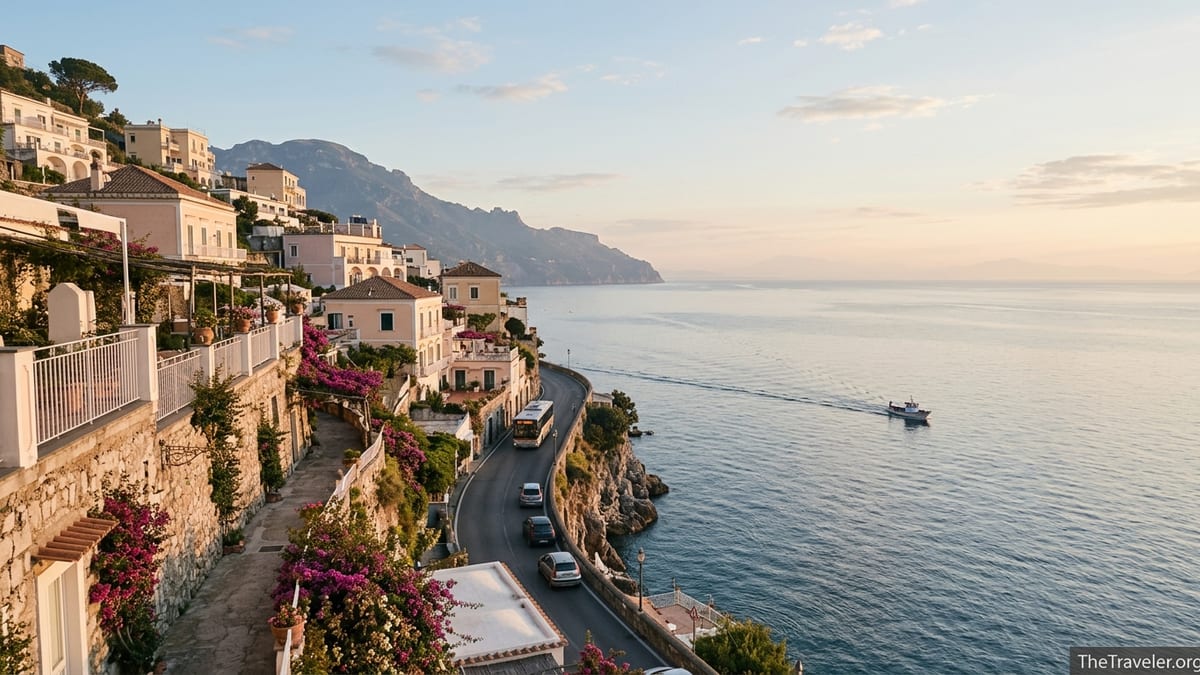
The Amalfi Coast, stretching roughly from Positano through Amalfi to Ravello, remains one of Italy’s most famous coastal drives. In 2026 it is still beautiful but increasingly regulated to manage traffic. During peak months sections of the main coastal road operate on an alternating license plate system on certain days, and buses can be extremely crowded from late morning. Many travelers now arrive by ferry from Salerno or Sorrento to Positano or Amalfi, then use local buses or private transfers. A typical double room in a sea view boutique hotel in Positano in July might start around 350 to 450 euro per night, while nearby Praiano or Minori can be significantly more affordable.
Puglia on the Adriatic side has matured from a “hidden gem” into a mainstream destination, but it still offers excellent value if you step beyond the most famous spots. The trulli houses of Alberobello, the hill towns of the Valle d’Itria such as Locorotondo and Martina Franca, and the baroque architecture of Lecce are perennial highlights. Many visitors now base themselves in an agriturismo or masseria near Ostuni or Fasano, renting a small car for exploring beaches and towns. Daily car rental in shoulder season often starts around 45 to 60 euro for a compact manual transmission booked in advance.
Less talked about, but increasingly appreciated, are the quieter inland regions of Basilicata and the coastal stretches of Calabria. Matera in Basilicata, with its cave dwellings carved into the Sassi, has seen renewed interest since its stint as a European Capital of Culture. Many of the old caves are now boutique hotels, where rooms carved into stone walls might run from 150 euro per night in low season to above 250 in peak months. In Calabria, beach towns like Tropea and Pizzo offer turquoise water, dramatic cliffs, and a largely Italian holiday crowd, with room rates and restaurant prices that are often 20 to 30 percent lower than those on the Amalfi Coast at similar times of year.
How to Travel Around: Trains, Buses, Cars and Ferries
For most itineraries in Southern Italy, trains form the backbone of long distance travel, with regional buses and ferries filling in the gaps. High speed services such as Frecciarossa and Frecciargento link Rome and Naples to Salerno, and continue down the Tyrrhenian coast as far as Reggio Calabria and across to Taranto and Lecce. On these trains, advance fares between Rome and Naples can sometimes be found from around 20 to 35 euro if booked early for off peak times, while last minute tickets in busy periods are usually higher.
The line between Naples and Bari on the Adriatic is being upgraded to a faster, higher capacity route, and more services are appearing that cut journey times to roughly 2 hours for the full run. This makes it increasingly practical to combine, for example, three nights in Naples with four nights in Bari and the Valle d’Itria without flying. Regional trains between Bari, Polignano a Mare, Monopoli, and Lecce are frequent and relatively inexpensive, often in the 6 to 15 euro range depending on distance and whether you use regional or InterCity services.
In more rural areas, buses are indispensable. On the Amalfi Coast, the SITA Sud buses connect Sorrento, Positano, Amalfi, and Salerno along spectacular clifftop roads, with single tickets generally costing just a few euro. However, in July and August it is common to see queues at stops and some buses passing by full. Many travelers now plan early morning departures from Sorrento or Amalfi, arriving at beach towns before 9.30 am, and then returning by late afternoon, or they hire a private driver for one or two key days to avoid the crowds.
Renting a car can open up lesser known areas such as inland Puglia, Basilicata’s Pollino National Park, and parts of rural Calabria, but it comes with trade offs. Town centers often have ZTL restricted zones where fines are issued automatically, and parking in historic centers can be limited. A practical compromise is to rent a car only for a segment of your trip. For example, arrive in Bari by train, pick up a rental car for four days to explore Alberobello, Ostuni, and beaches around Torre Guaceto, then return the car before heading into Lecce’s old town on foot.
Ferries remain a quintessential Southern Italy experience. From Naples and Salerno, frequent hydrofoils and slower ferries fan out to Capri, Ischia, and Procida, with one way prices typically in the 20 to 30 euro range for hydrofoils and slightly less for slower vessels. Booking summer morning crossings a few days ahead can be wise, especially for Capri. Around Sicily and Calabria, summer boat connections link Milazzo with the Aeolian Islands and Reggio Calabria or Villa San Giovanni with Messina, making it easy to integrate island time into a broader southern itinerary.
Essential Foods and Drinks to Try
Southern Italian food is especially rooted in simple ingredients treated with care. In Campania, pizza is the headline act. At classic pizzerias in central Naples, a proper Neapolitan margherita baked in a wood fired oven often costs in the range of 6 to 8 euro, while specialty toppings might reach 10 to 14 euro. Ordering a margherita and a marinara to share, a couple of small beers, and finishing with a chilled limoncello is a typical local night out that rarely feels expensive.
Seafood is central all along the coasts. In the Amalfi area, grilled fish of the day, served simply with olive oil and lemon, is a staple in family run trattorie. Along the Puglian coast in towns like Polignano a Mare or Gallipoli, raw seafood platters with red prawns, mussels, and clams are popular, especially at informal bars near the harbor. Prices vary, but it is common to find a fixed price “menu di mare” at lunchtime including antipasti, a pasta course, and grilled fish for around 30 to 45 euro per person in smaller towns.
Puglia’s signature pasta is orecchiette, often served with cime di rapa, a slightly bitter turnip green, garlic, anchovies, and chili. In Bari’s old town, you can still see women hand shaping orecchiette at small tables in narrow lanes in the late morning. Many of them now package their pasta for visitors, and a bag to cook later in your apartment kitchen might cost 3 to 5 euro. Pair it with a bottle of local Primitivo or Negroamaro from a neighborhood wine shop, where decent everyday bottles start around 7 to 10 euro.
Calabria and Basilicata are known for bolder flavors and hearty dishes. In Calabria, nduja, a spreadable spicy pork salumi, appears on bruschetta, on top of pizza, or stirred into tomato sauces. Tropea red onions, sweeter than most, find their way into salads and tarts. Basilicata is proud of its peperoni cruschi, sun dried sweet peppers that are flash fried until crisp and eaten as a snack or crumbled over pasta. In both regions, agriturismi often include generous multi course dinners with house wine in their nightly rate, which can make rural stays especially good value.
Local Experiences That Make a Trip Memorable
Beyond ticking off major sights, Southern Italy rewards travelers who seek out small scale, local experiences. Food and wine activities are a strong foundation. Around Sorrento and the Amalfi Coast, you can join half day lemon grove tours that end with tastings of limoncello and lemon desserts, or take a small group cooking class in a local home where you prepare gnocchi alla sorrentina, eggplant parmigiana, and tiramisu before sitting down together to eat. Prices for half day classes including lunch typically start around 90 to 130 euro per person, depending on group size and what is included.
Puglia’s countryside is dotted with masserie, fortified farm estates that now host guests and run experiences. A common option is an olive oil tasting combined with a walk through ancient groves of twisted trees, some over 500 years old, followed by a light lunch of local cheeses, vegetables, and focaccia. Many properties also rent bicycles for gentle rides between stone walled lanes and vineyards. Booking directly with the masseria often yields better rates, and tastings alone can run from 20 to 40 euro per person, with discounts for guests staying on site.
In Calabria, week long “cooking and lifestyle” trips are gaining popularity, where participants stay in a family run agriturismo, join hands on cooking classes for dishes like homemade fileja pasta, visit local markets, and take excursions to nearby coastal towns such as Pizzo to taste tartufo gelato in the main square. These packages, often running in late spring or early autumn, typically bundle accommodation, most meals, and activities, offering good value for travelers who prefer a set program rather than planning each day independently.
Cultural experiences are just as important. In Matera, guided evening walks through the Sassi explain how cave dwellings evolved from poverty to prized heritage, often ending at scenic viewpoints as the city lights switch on. In smaller Puglian and Calabrian towns, many churches and palazzi now host contemporary art exhibits or local music events in summer. Checking the local tourist office or municipal social media a few days before arriving can reveal festivals, outdoor film screenings, or patron saint celebrations that give a stronger sense of everyday life than any monument.
Practical Tips for Planning a Southern Italy Itinerary
Trip planning for Southern Italy starts with choosing a realistic number of bases. Distances on a map can be misleading, because winding coastal roads and slower regional trains make travel days longer than in northern Italy. For a 10 to 12 day trip, many travelers limit themselves to two or three main bases, such as Naples and the Amalfi Coast plus Matera, or Bari plus the Valle d’Itria and Lecce. For a two week itinerary, it becomes feasible to add a Calabrian beach town or a few days in Sicily reached by train and ferry.
Accommodation choices can shape your experience. In cities, apartments and guesthouses in central neighborhoods like Naples’ Decumani, Bari Vecchia, or Lecce’s historic center keep you steps from cafes and evening strolls, but may involve more street noise. In the countryside, masserie and agriturismi usually offer spacious rooms, breakfast with local ingredients, and optional dinners. Booking a cancellable rate for at least the first and last nights of your trip is wise, then filling in the middle once flights and train schedules are set.
Budgeting for daily expenses helps avoid surprises. Travelers who stay in midrange accommodation, have a sit down lunch or dinner most days, and include a few guided tours or cooking classes can expect daily costs in the ballpark of 120 to 200 euro per person, excluding international flights. You can save by eating main meals at lunchtime, when fixed menus are often better value, and choosing simple bars for breakfast with a cappuccino and cornetto for 3 to 4 euro rather than hotel buffets.
Finally, pay attention to local habits. Many small shops in smaller towns still close for a few hours in the early afternoon, especially outside high season, and some restaurants in Puglia and Calabria open only for dinner on certain weekdays. Making dinner reservations in popular spots, particularly on Friday and Saturday nights in places like Trani, Polignano, or Tropea, can prevent long waits. Keeping some cash on hand is useful for small purchases, though cards are increasingly accepted even in street markets and kiosks.
The Takeaway
Southern Italy in 2026 is both more connected and more itself than ever. High speed trains and upgraded lines make it easier to link Naples, Bari, and the deep south in a single itinerary, yet much of the region still runs on neighborhood rhythms, long family lunches, and evening strolls through old streets. Traveling here is less about racing through a checklist of sights and more about allowing time for coffee counters, market stalls, beaches, and slow dinners.
Whether you are drawn to the cliffs of the Amalfi Coast, the olive groves of Puglia, the caves of Matera, or the beaches and bold flavors of Calabria, the key is to combine a few big name destinations with quieter towns and hands on local experiences. Build your plans around realistic travel times, shoulder season weather, and a willingness to be flexible once you are on the ground. If you do, Southern Italy will reward you with distinctive food, genuine hospitality, and memories that stretch far beyond the usual postcards.
FAQ
Q1. How many days do I need for a first trip to Southern Italy?
For a first visit, 10 to 14 days works well, allowing two or three bases such as Naples, the Amalfi Coast or Puglia, and perhaps Matera or Calabria without rushing.
Q2. Is renting a car necessary in Southern Italy?
No, it is not strictly necessary. Trains and buses cover most main routes, but a car is very helpful for rural Puglia, Basilicata, and parts of Calabria if you are comfortable driving.
Q3. What is the best time of year to visit Southern Italy?
Late May to June and September usually offer warm weather, swimmable seas, and fewer crowds than July and August, with lower prices and easier restaurant and ferry bookings.
Q4. Are the Amalfi Coast and Puglia very expensive?
The Amalfi Coast can be costly in peak summer, especially in Positano and Amalfi, while Puglia and Calabria generally offer better value, particularly in smaller towns and inland areas.
Q5. Do I need to book trains and ferries in advance?
Booking high speed trains and popular summer ferries a few weeks in advance is sensible, especially for weekends, but regional trains and many local buses can usually be bought on the day.
Q6. Is Southern Italy safe for solo travelers?
Yes, Southern Italy is generally safe for solo travelers who use normal precautions, such as avoiding poorly lit areas late at night and watching belongings in crowded buses and markets.
Q7. Can I travel in Southern Italy without speaking Italian?
Yes, you can manage with English in tourist areas, hotels, and many restaurants, but learning basic Italian phrases helps with buses, small shops, and more local neighborhoods.
Q8. What should I budget per day in Southern Italy?
A comfortable midrange budget including accommodation, food, local transport, and some activities is often around 120 to 200 euro per person per day, excluding arrival flights.
Q9. Are vegetarian and gluten free options easy to find?
Vegetarian choices like vegetable antipasti, pizza, and pasta with tomato or vegetable sauces are common, while gluten free options exist but may require more planning and clear communication.
Q10. How far in advance should I book accommodation?
For July and August on the Amalfi Coast and in popular Puglian beach towns, booking 4 to 6 months in advance is wise, while shoulder season stays can often be arranged 1 to 3 months ahead.