


More news on this day
Travelers moving through Hartsfield-Jackson Atlanta International Airport on May 14 faced another bruising day, as tracking portals showed 137 delayed flights and two cancellations rippling across major U.S. routes and airline networks.
Get the latest news straight to your inbox!
Stormy Weather and System Strains Collide in Atlanta
Publicly available aviation data for Thursday indicated that Hartsfield-Jackson, the nation’s busiest passenger hub, was again at the center of widespread disruption. A line of thunderstorms in the Southeast combined with lingering operational strains to slow departures and arrivals through much of the day, extending the pattern of volatile travel conditions that has marked the spring season.
Reports from flight-status services pointed to rolling ground holds and metered departures that periodically constrained movements in and out of Atlanta. Short pauses on the ramp and at the gate translated into mounting delays across morning and midday banks, with some departures pushed back multiple times before leaving the gate.
Observers tracking the disruptions noted that even modest schedule adjustments at Atlanta can quickly reverberate across the country because of the airport’s role as a primary connection point. With dozens of banks scheduled each day and a heavy concentration of connecting traffic, delay minutes acquired in Georgia often propagate to later services as aircraft and crews struggle to return to their planned rotations.
The 137 delays and two cancellations recorded on May 14 represented only a slice of the national picture, but they underscored how sensitive the system remains to local weather and operational bottlenecks. Data compiled from multiple hubs showed that Atlanta once again ranked among the top U.S. airports for same-day disruptions.
Delta, Southwest and Frontier Bear the Brunt
Atlanta-based Delta Air Lines, the dominant carrier at Hartsfield-Jackson, accounted for a substantial share of the disrupted services as it worked flights through storm cells and congestion. Tracking pages for individual routes between Atlanta and Dallas, New York and Florida showed departure times slipping behind schedule as aircraft awaited slots to taxi and depart.
Southwest Airlines, which maintains a significant schedule of point-to-point flights through Atlanta, also experienced knock-on delays. Publicly available information for routes such as Atlanta to San Antonio and Atlanta to Austin showed schedule padding being consumed early in the day, with later departures facing rolling revisions as the network adjusted to earlier hold-ups.
Frontier Airlines flights through Hartsfield-Jackson likewise appeared in delay tallies, reflecting the vulnerability of low-cost point-to-point operations when a key hub slows down. Even a small number of aircraft out of position can cascade across an all-economy leisure network, particularly on routes to secondary and vacation destinations.
Other domestic and international carriers with Atlanta operations reported smaller pockets of disruption, often tied to shared weather challenges along the East Coast and in the central United States. Flight-status portals showed delays spreading to services operated by legacy and overseas airlines connecting Atlanta with coastal gateways and overseas hubs.
Impact Spreads to New York, Dallas and Other Key Hubs
The ripple effects from Atlanta’s congestion were felt across several major markets, including New York and Dallas, two of the country’s most important aviation nodes. Flights linking Hartsfield-Jackson with New York-area airports experienced schedule slippages, with the afternoon and evening banks in particular showing extended taxi and arrival times.
Services between Atlanta and Dallas were also affected as thunderstorms in the Southeast interacted with unsettled conditions in parts of Texas. Real-time tracking for high-frequency routes between the two states highlighted aircraft departing later than scheduled from Atlanta and arriving behind time into Dallas, compressing turnaround windows and forcing adjustments to subsequent departures.
Disruption was not limited to these corridors. Public data showed delays on routes from Atlanta to cities including Chicago, Denver, Phoenix, Las Vegas and several Florida destinations. In many cases, connecting travelers found that even when their own flights were operating, missed or tight connections triggered involuntary rebookings onto later services.
The wider U.S. network also showed signs of strain, as delays at other busy hubs interacted with the Atlanta issues. Published coverage on national travel conditions for May 14 pointed to elevated delay and cancellation totals at airports from Boston to Seattle, creating a challenging environment for carriers already working to stabilize schedules.
Travelers Confront Long Lines and Changing Guidance
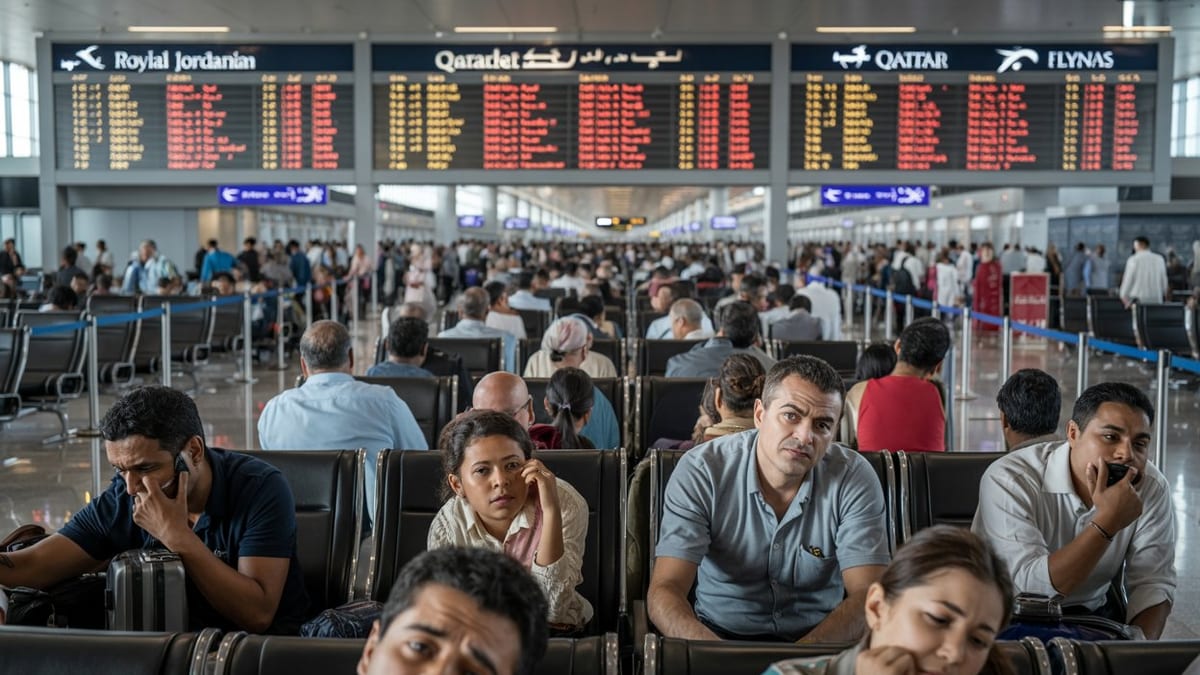
Inside Hartsfield-Jackson, passengers reported busy concourses, shifting gate assignments and longer-than-usual waits at security and check-in counters as airlines sought to regroup. While operations remained far from a full shutdown, the accumulation of minor delays produced visible congestion at peak times, particularly around key Delta and Southwest gate areas.
Travel advisories and airport guidance emphasized the importance of monitoring flight status closely on days with unstable weather. Travelers were urged through publicly available materials to rely on airline apps and airport information displays for near-real-time updates on departure times, gate changes and potential rebookings when connections fell below minimum thresholds.
Recent guidance from travel-industry sources has increasingly highlighted the need for extra buffer time at major hubs such as Atlanta during periods of heightened disruption. Recommendations commonly include arriving earlier than the traditional two-hour domestic standard, carrying essentials in hand luggage in case of missed connections, and being prepared to consider alternative routings if severe weather threatens a primary hub.
For many travelers on May 14, the day’s experience at Hartsfield-Jackson served as another reminder of how vulnerable even routine trips remain to the combination of volatile weather and tightly wound airline schedules. As the busy summer travel period approaches, industry observers expect airlines and airports to remain under close scrutiny over how they manage similar episodes of concentrated delay pressure.
Persistent Vulnerabilities at the Nation’s Busiest Airport
Hartsfield-Jackson’s status as the world’s busiest airport by passenger volume has long made it a focal point for broader questions about U.S. aviation resilience. High throughput, dense connection banks and a dominant hub carrier create efficiencies on good days but also magnify the impact when storms, staffing constraints or system issues emerge.
Operational reports and past traffic statistics show that Delta, Southwest and Frontier together account for a large share of movements at the airport, with Delta alone responsible for a clear majority of passengers. This concentration means that any disruption affecting one of these carriers, whether from weather or internal operational challenges, is likely to have system-wide consequences across the hub.
Analysts following Atlanta’s performance note that while infrastructure improvements and procedural updates have helped reduce some bottlenecks, the underlying structure of the U.S. hub-and-spoke network continues to leave major airports susceptible to shock events. A thunderstorm line over north Georgia or a brief ground stop ordered by air-traffic authorities can still produce multi-hour delays that reverberate across the evening schedule.
On May 14, the 137 delays and two cancellations tied to Hartsfield-Jackson underlined how even a relatively contained disruption can affect thousands of travelers when concentrated at a central hub. With more unsettled spring weather expected and peak summer travel demand approaching, attention is likely to remain fixed on how airlines and airports coordinate to keep Atlanta, New York, Dallas and other key nodes moving.