


More news on this day
Travelers moving through Minneapolis–St. Paul International Airport on Thursday encountered an unusual midweek bottleneck, with scores of departures delayed and several flights canceled on busy routes to major U.S. hubs.
Get the latest news straight to your inbox!
Delays Mount Across Major Domestic Routes
Publicly available flight tracking data for Minneapolis–St. Paul International Airport showed a wave of disruption affecting departures and arrivals on Thursday, with around 88 flights delayed and a handful canceled as airlines worked to stabilize schedules. The operational snarl hit services to key business and leisure destinations, including Chicago, Dallas and Denver, as well as other large U.S. cities that depend on Minneapolis as a connecting point.
Carriers operating at the airport, among them SkyWest, Delta Air Lines, Southwest, United, Alaska Airlines and Frontier, all appeared on delay boards as aircraft pushed back later than scheduled or held at gates while crews, aircraft and ground operations were realigned. While the overall number of cancellations remained limited at about five flights, extended delays of 45 minutes or more left many passengers facing missed connections and rebooked itineraries.
Reports from aviation data platforms indicated that delays were scattered across the day rather than concentrated in a single peak period, suggesting a knock-on effect from earlier operational challenges. With Minneapolis functioning as a major connecting hub, even a modest number of disrupted departures can quickly ripple outward into other regions of the country, increasing the overall number of affected travelers.
Despite the localized disruption in Minneapolis, national systems data continued to characterize overall U.S. air traffic as manageable, highlighting how a relatively small cluster of delays at a key hub can still translate into significant inconvenience for those using it as a transfer point.
Multiple Airlines, One Bottleneck
The congestion at Minneapolis–St. Paul underscored the interconnected nature of airline operations, particularly for regional carriers such as SkyWest that operate flights on behalf of larger network airlines. Public flight records showed SkyWest-operated services under major brands, including Delta and United, among the delayed departures, reinforcing the shared exposure across multiple airline groups when crew or aircraft resources fall out of position.
Mainline carriers were not spared. Delta, which uses Minneapolis as a key hub, showed delays on several domestic routes, while United and Southwest also appeared with late departures on competitive corridors to cities such as Chicago and Denver. Alaska Airlines and Frontier, both smaller players at the airport compared with Delta, each registered delayed departures as they navigated the constrained operating environment.
Published performance data from the U.S. Department of Transportation indicates that these carriers generally maintain on-time records in line with or above national averages over longer periods. However, the Minneapolis disruption highlighted how even generally reliable operators can experience concentrated pockets of irregular operations when weather, congestion or earlier delays converge on a specific airport.
For travelers on the ground, the distinction between regional and mainline airline brands is often less important than the cascading effect on their individual itineraries, as alliance partners and codeshare agreements spread the impact across multiple ticketing channels and loyalty programs.
Ripple Effects for Chicago, Dallas, Denver and Beyond
Minneapolis–St. Paul’s role as a north-central connecting point amplified the impact of Thursday’s disruption on routes to other major hubs. Flight tracking on the corridor between Minneapolis and Chicago showed multiple delayed departures, affecting both business travelers and those using Chicago as a secondary connecting gateway to East Coast and international destinations.
Similar patterns appeared on services between Minneapolis and Dallas, where delayed departures compressed connection windows for onward flights into the South and Mountain West. Routes to Denver and other central U.S. hubs also recorded late pushes, raising the likelihood of missed links for passengers bound for smaller regional airports that rely on hub-and-spoke connectivity.
In practical terms, even a delay of 60 to 90 minutes out of Minneapolis can cause downstream complications for aircraft and crew assignments at receiving airports. Aircraft arriving late into Chicago, Dallas or Denver may then depart late on their next legs, extending the impact into the evening and, in some cases, into Friday morning schedules.
Travel industry observers note that this pattern has become increasingly visible as airlines operate tighter schedules with fewer spare aircraft and leaner staffing. When an issue develops at one node in the network, there is less slack available to absorb the disruption, making ripple effects more likely and more pronounced.
Passengers Face Rebooking, Missed Connections and Crowded Gates
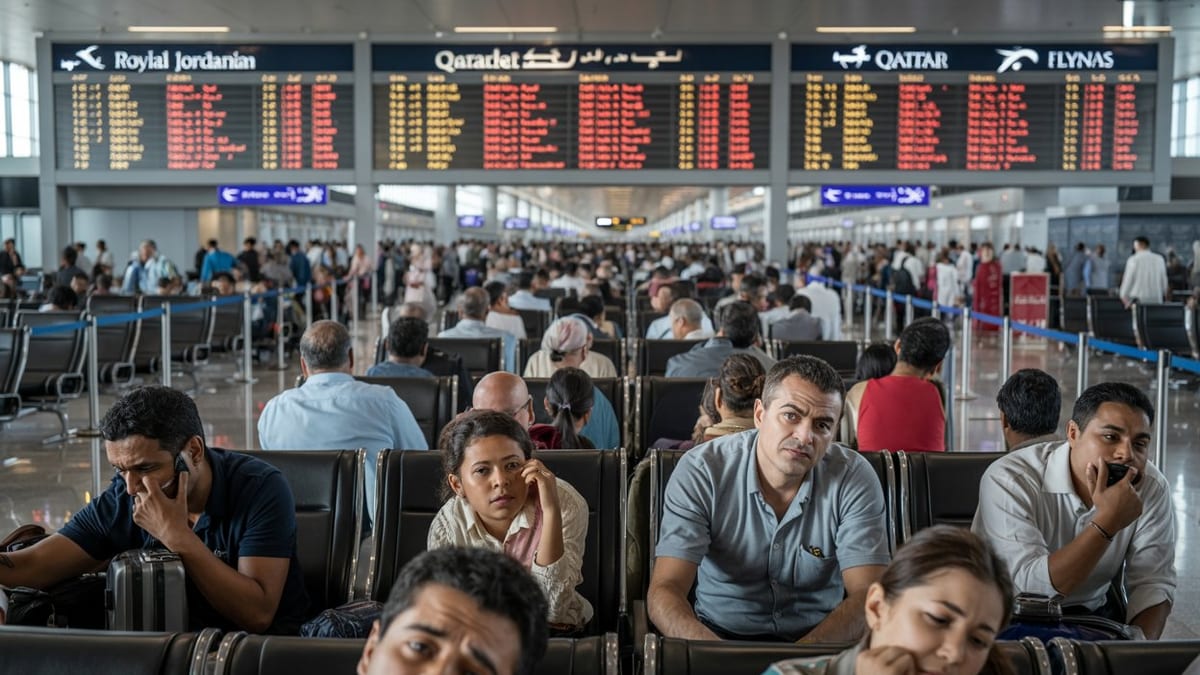
For passengers, Thursday’s irregular operations translated into familiar scenes at Minneapolis–St. Paul: crowded gate areas, rolling delay estimates on departure boards and lines at customer service counters as travelers sought rebooking options. Those traveling to or through Chicago, Dallas and Denver were particularly vulnerable, given the role of those airports as onward connection points.
According to airline customer guidance available online, most major U.S. carriers encourage passengers to use mobile apps or websites to monitor real-time flight status and, when eligible, to accept automated rebooking on alternative flights. In disruption events like the one in Minneapolis, these tools can sometimes secure earlier or more convenient options than waiting in line at the airport.
However, limited same-day seat availability on peak routes can constrain rebooking choices, especially when a delay leads to a missed last connection of the evening. Travelers with tightly timed commitments or international connections out of Chicago or other hubs may face overnight stays or significant schedule changes when disruptions cascade through multiple legs.
Air travel consumer advocates routinely recommend that passengers build extra buffer time into itineraries that rely on connections through busy hubs during high-volume travel periods. Events like Thursday’s in Minneapolis offer another reminder of the risks associated with short connection windows, particularly in winter and shoulder seasons when weather and congestion can alter schedules quickly.
What Travelers Can Expect in the Coming Hours
As of late afternoon, operations in Minneapolis appeared to be gradually stabilizing, with airlines working to move delayed aircraft and crews back into their intended rotations. Industry experience suggests that most of the immediate disruption should ease as the evening progresses, although some lingering delays and isolated cancellations may persist as schedules reset.
National aviation data indicates that, on most days, the vast majority of U.S. flights still operate on time or with only minor delays. Nevertheless, concentrated events such as the one at Minneapolis can cause outsized frustration when they intersect with personal travel plans, holiday periods or critical business trips.
Passengers departing Minneapolis or connecting through the airport into Friday are advised, according to standard airline guidance, to monitor their flight status frequently, check in early and be prepared for gate changes or last-minute adjustments. Those with flexible travel plans may benefit from considering earlier or later departures if options are offered at no additional cost during the recovery period.
While Thursday’s disruption at Minneapolis–St. Paul remains limited in scale compared with major nationwide meltdowns seen in prior years, it highlights the continuing sensitivity of the U.S. air travel system to localized pressure points and the importance for travelers of staying informed as conditions evolve.