

More news on this day
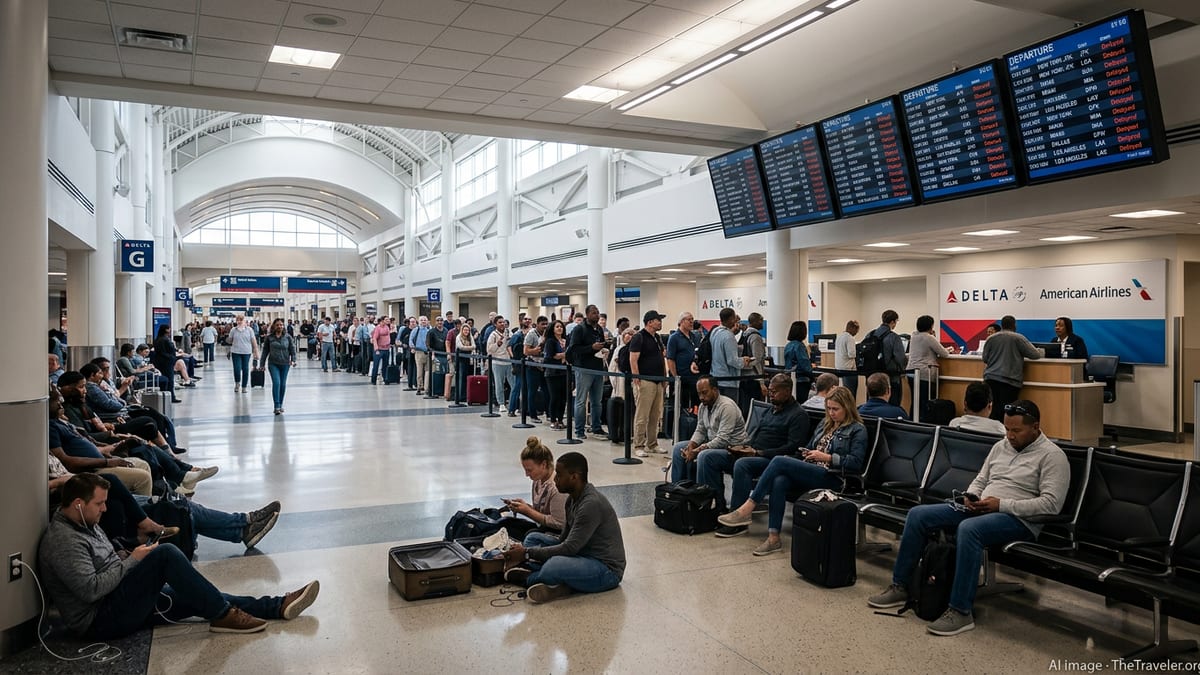
Hundreds of travelers were left stranded at Hartsfield-Jackson Atlanta International Airport on Wednesday as a fresh wave of disruption triggered more than 180 flight delays and at least 13 cancellations, disrupting connections to Chicago, Las Vegas, Punta Cana, Cancún, Seoul Incheon and other major destinations across North America, the Caribbean and Asia.
Get the latest news straight to your inbox!
Wide Ripple Effect Across Major U.S. and Leisure Routes
Publicly available tracking data and local coverage indicate that the disruption at Atlanta is affecting a broad mix of domestic and international routes, with particular strain on high-demand corridors to Chicago and Las Vegas as well as beach and resort destinations popular with summer travelers. Flights to Chicago’s O’Hare and Midway airports, key onward hubs for business and Midwest connections, were among those facing rolling delays, forcing passengers to rebook and reroute through alternative cities where possible.
Leisure travelers were especially hard hit. Services to Las Vegas, Punta Cana and Cancún, which normally carry large volumes of vacationers, honeymooners and group bookings out of Atlanta, encountered knock-on schedule changes that left many passengers waiting at departure gates or in long customer service lines. Some were offered later departures in the day, while others were placed on next day services as available seat capacity tightened.
The disruption also extended beyond the Americas. Flights linking Atlanta with Seoul’s Incheon International Airport, a key transpacific gateway, saw schedule shifts that jeopardized onward connections throughout Asia. For travelers crossing multiple time zones, missed links meant unplanned overnight stays and complex rebooking decisions as airlines worked to recover their operations.
Although individual flight status varied, the cumulative effect was a crowded terminal environment in Atlanta, with passengers seeking updated departure times, alternative routings and information on their rights when flights are significantly delayed or canceled.
Southwest, Delta and Republic Among Carriers Affected
The latest disruption involved a mix of major U.S. carriers, including Delta Air Lines, Southwest Airlines and Republic-operated regional services that feed into and out of Atlanta. As Delta is the dominant hub carrier at Hartsfield-Jackson, even a limited number of its delayed departures quickly reverberated across the network, complicating schedules for partner and codeshare flights serving destinations such as Cancún and Punta Cana.
Southwest, which operates a dense schedule on domestic routes like Atlanta to Chicago and Las Vegas, also saw its operations slowed as aircraft and crews fell out of position. When departures out of Atlanta missed scheduled slots, subsequent flights in other parts of the country encountered timing issues, contributing to additional delays downline.
Republic, which flies regional routes under major airline brands, was drawn into the disruption through its feeder services. These flights connect smaller cities to Atlanta, and any hold-up at the hub can strand travelers mid-journey. With aircraft and crews reliant on tight turnaround times, a backlog at Atlanta made it harder to maintain published timetables across the regional network.
Operational recovery typically requires several hours of stabilized conditions, and industry observers noted that even after the number of delayed flights at Atlanta begins to drop, travelers may continue to encounter irregular schedules, limited seat availability and altered connection times for at least the rest of the operating day.
Underlying Pressures: Weather, Crewing and a Busy Summer Peak
While detailed causal data for each individual disruption are not yet consolidated, recent patterns at major U.S. hubs suggest a familiar mix of contributing factors. Published aviation and weather reports show that Atlanta has experienced repeated bouts of unsettled weather in recent months, with thunderstorms and low clouds periodically disrupting arrival and departure flows, and leading to congestion on runways and taxiways.
At the same time, publicly available aviation consumer reports indicate that airlines continue to operate close to capacity in the busy summer period. When schedules are tight and aircraft utilization is high, even minor delays can cascade quickly through the system. Crews may reach duty-hour limits waiting out earlier disruptions, making it harder for airlines to staff later flights without triggering further cancellations or extended delays.
Industry data for 2026 also show that Delta, Southwest and regional partners such as Republic have all been managing elevated operational complexity at Hartsfield-Jackson, which remains one of the world’s busiest passenger airports. High volumes of connecting traffic mean that each delayed departure can lead to missed onward flights, requiring rebooking support and, in some cases, hotel accommodation for stranded passengers.
Travel analysts note that as airlines push to capture strong demand on routes from Atlanta to major leisure destinations like Cancún, Punta Cana and Las Vegas, the margin for error grows thinner, making the hub more vulnerable to sudden spikes in disruption such as the one seen on Wednesday.
Passengers Confront Long Lines, Missed Connections and Limited Options
As delays accumulated through the day, travelers at Atlanta faced familiar scenes of crowded departure lounges, long lines at ticket counters and packed concourses. With more than 180 flights showing as delayed on tracking platforms, the number of people waiting for updated departure times climbed quickly, especially during peak morning and afternoon banks when hub activity is most intense.
For passengers booked on complex itineraries, particularly those involving connections in Chicago, Las Vegas or Incheon, missed links became a pressing concern. Once an initial flight out of Atlanta slipped beyond a certain threshold, onward flights often departed without them, leaving travelers to compete for a limited number of remaining seats on later services. In some cases, rebooked journeys involved additional stops or overnight layovers that significantly lengthened total travel time.
Families heading to resort destinations in the Caribbean and Mexico faced the added frustration of potentially losing prepaid hotel nights or activities in Punta Cana and Cancún. Business travelers, meanwhile, contended with disrupted meeting schedules and the possibility of having to join events virtually from airport lounges or hotel rooms far from their original destinations.
With airline call centers and mobile apps handling high volumes of change requests, some passengers turned to in-person assistance at the airport, which further extended wait times at customer service desks. Others chose to cancel trips altogether rather than accept lengthy reroutes or next-day departures.
What Stranded Travelers Can Do Next
Travel advocacy organizations and consumer resources recommend that stranded passengers begin by checking their flight status directly through airline channels and reputable tracking platforms before heading to the airport or leaving secure areas within the terminal. When a delay or cancellation is confirmed, travelers are advised to review their airline’s published policies on rebooking, refunds and overnight accommodations, which differ by carrier and by cause of disruption.
For those with critical connections to long haul flights, such as services from Atlanta to Incheon or onward to Europe and Asia, same-day alternatives may be scarce once disruption is widespread. In such cases, travelers may improve their chances by asking about reroutes through secondary hubs, including Dallas, Houston or other cities with available capacity, even if the itinerary becomes less direct.
Passengers heading to leisure destinations from Atlanta may also benefit from contacting hotels or tour operators as soon as it becomes clear they will arrive late. Many resorts in Cancún and Punta Cana will adjust check-in plans when given advance notice, and travel insurance providers may require prompt documentation of delays or cancellations to consider claims.
As airlines work through the backlog caused by the disruption at Hartsfield-Jackson, publicly available information suggests that conditions can remain uneven for several operational cycles. Travelers with flights scheduled through Atlanta in the coming hours are being urged, via multiple public channels, to monitor their itineraries closely and allow extra time at the airport while carriers including Delta, Southwest and Republic endeavor to restore regular service.