


More news on this day
People booking trips, checking in for flights, or catching up on work from hotel rooms are being targeted in a surge of tech support scams, with publicly available enforcement data indicating at least $1.7 million has been lost since February in schemes where criminals pose as Microsoft customer or technical support.
Get the latest news straight to your inbox!
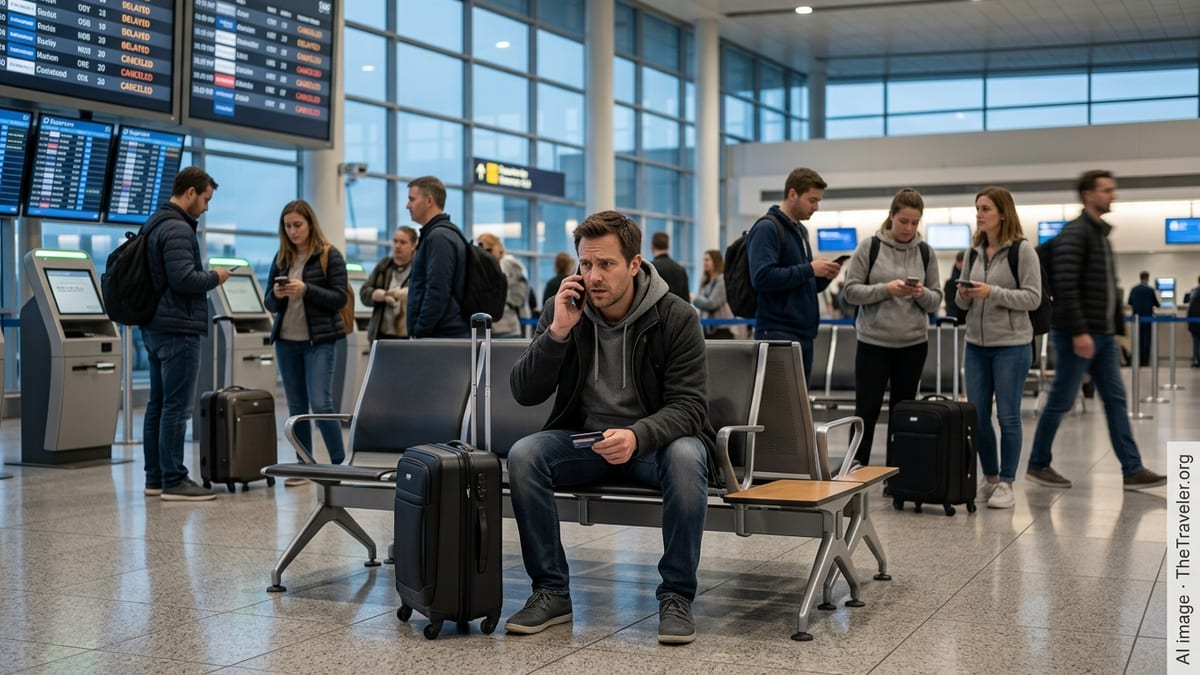
Fresh Warnings Over Microsoft Impersonation Scams
Recent enforcement actions and data releases from consumer protection and law-enforcement bodies show that fraudsters continue to use the Microsoft name to trick people into surrendering money and control of their devices. Tech support fraud has evolved for more than a decade, but current figures suggest that criminals remain highly successful at convincing victims that a supposed Microsoft representative must urgently fix a problem on their computer.
Consumer protection databases highlight Microsoft as one of the most frequently impersonated brands in support-related scams. Newly published analysis of impersonation fraud shows that while some companies generate more reports overall, losses involving Microsoft imposters have been among the highest, with tens of millions of dollars reported in a single year of data. This backdrop helps explain how a concentrated wave of cases since February could add up to at least $1.7 million in reported losses tied specifically to fake Microsoft tech support.
Public case files also describe past enforcement actions in which U.S. regulators shut down call centers and online operations that pretended to be from Microsoft and other major technology companies. In one action, agencies reported court-approved refunds totaling more than $1.7 million to consumers who had been deceived into paying for unnecessary or bogus repairs after pop-up alerts and search ads falsely claimed to be official Microsoft or Apple support. Although these refunds related to earlier activity, they closely mirror the patterns being seen again in 2025 and 2026.
Security analysts point out that many victims never file complaints, suggesting that the true figure for current Microsoft impersonation losses is likely higher than the documented total. Shame, confusion over how to report, and the difficulty of tracing overseas call centers all contribute to significant underreporting.
How the Fake Tech Support Playbook Works
Technical support scams typically begin with an unexpected alert on a phone or screen. It might appear as a browser pop-up claiming that Windows has detected a serious virus, or a message warning that the user’s Microsoft account is about to be closed. In other cases, victims receive a call or text that appears to come from a well-known number, thanks to spoofed caller ID information, urging them to contact “Microsoft support” immediately.
Once a victim engages, scammers usually insist that the problem is urgent and walk them through installing remote-access software or giving permission through built-in tools. This access allows the fraudster to manipulate on-screen information, lock devices, or display fabricated scan results that falsely show hundreds of “critical” infections or hacking attempts, reinforcing the illusion that professional intervention is needed.
Payment is often demanded in forms that are difficult to reverse, such as gift cards, wire transfers, or transfers out of bank and retirement accounts. Investigations summarized in public advisories describe cases in which individuals drained life savings after being persuaded that Microsoft and “fraud department” staff were helping them protect funds from supposed hackers.
In more sophisticated cases, scammers combine Microsoft impersonation with fake bank or government contacts, bouncing victims between multiple supposed departments. Each step adds credibility to the scheme while increasing the pressure to act quickly, making travelers juggling flights, time zones, and connectivity particularly vulnerable to snap decisions.
Why Travelers Are Uniquely at Risk
People on the move rely heavily on laptops, tablets, and phones for everything from boarding passes to access to online banking. That dependence, combined with frequent use of public Wi-Fi networks in airports, cafes, and hotels, creates the kind of distracted, time-pressed environment that tech support scammers exploit.
Publicly available advice from consumer and security agencies warns that malicious pop-ups often appear as people browse travel booking sites, search for hotel deals, or check email on unfamiliar networks. A sudden on-screen alert claiming that a Windows device has been compromised can feel especially plausible at that moment, nudging travelers to call a phone number or click a button without double-checking whether it is genuine.
Because travelers may be far from their usual bank branch or home internet provider, resolving suspected fraud feels more complicated. This makes the offer of instant remote assistance from someone claiming to be a Microsoft technician sound appealing. Scammers exploit that sense of urgency to bypass normal skepticism, encouraging people to provide remote access and financial details right away rather than waiting to confirm the contact through official channels.
Business travelers and digital nomads who carry work laptops face additional risks. A successful tech support scam can expose sensitive corporate information or give criminals leverage to attempt further attacks against employers, turning an individual traveler’s mistake into a wider cybersecurity incident.
Warning Signs and Safer Habits on the Road
Public guidance from organizations that track fraud emphasizes a few consistent red flags. Genuine Microsoft customer support does not cold-call customers to report problems that have not been requested, nor does it demand payment in gift cards or cryptocurrency. Any message insisting that a user must immediately call a number on a pop-up to avoid account closure or legal consequences should be treated with extreme skepticism.
Travelers are encouraged to close suspicious browser windows using system tools rather than clicking “Cancel” or “OK” inside the pop-up itself. If a warning cannot be closed, powering the device off and restarting is often safer than engaging with phone numbers or chat links shown on the alert. Once the device restarts, users can run a trusted security program or contact support using official contact details found independently through a device’s settings or a known company website.
Security recommendations also highlight the importance of using virtual private network services or personal mobile hotspots instead of unsecured public Wi-Fi, particularly when accessing accounts that contain payment information or travel bookings. Keeping operating systems and antivirus software up to date reduces the chance that malicious scripts behind scam pop-ups can exploit known vulnerabilities.
For people who suspect they may already have engaged with a fraudulent Microsoft support operation, public resources advise acting quickly: disconnecting from the internet, removing any remote-access tools that the caller requested to install, contacting banks or card issuers, and monitoring accounts for unauthorized transactions. Reporting the incident to national fraud-reporting portals and consumer agencies helps build the data that underpins figures such as the 1.7 million dollars in recent documented losses.
Global Scam Networks Target a Trusted Brand
Investigations summarized in court documents and data reports indicate that many Microsoft impersonation scams originate from organized call centers outside the United States, often using scripts that have been refined over years. Enforcers in North America, Europe, and Asia have coordinated actions against some of these operations, seizing domains and freezing assets, yet new pop-up campaigns and phone trees frequently spring up in their place.
Microsoft’s prominence in the consumer and business software market makes its brand a perennial target for misuses of this kind. Data from recent years shows that while scammers also impersonate retailers, delivery services, and sweepstakes organizers, the perceived authority of a “Microsoft technician” gives fraudsters a uniquely powerful hook. That trust translates into higher average losses when victims believe their primary device and data are at risk.
Publicly reported judgments and settlements in tech support cases have run into the tens of millions of dollars, illustrating both the scale of the problem and the profits available to fraudsters. Enforcement and consumer education campaigns have led to temporary dips in specific scam variants, but new tactics, such as blending fake Microsoft support with bogus investment or cryptocurrency recovery offers, continue to surface.
For travelers planning trips in 2026, the renewed focus on at least $1.7 million in losses since February serves as a reminder that cybercrime does not pause when people leave home. Treating any unsolicited Microsoft-related alert as suspicious, and taking a moment to verify support contacts before responding, can be the difference between a routine login on hotel Wi-Fi and a costly detour into fraud.