


More news on this day
President Donald Trump’s public encouragement for Americans to visit Lebanon, paired with his move to reopen direct U.S. flights to Beirut after more than four decades, is colliding with his own administration’s standing advice that U.S. citizens should avoid the country entirely.
Get the latest news straight to your inbox!
Presidential pitch for a “beautiful land”
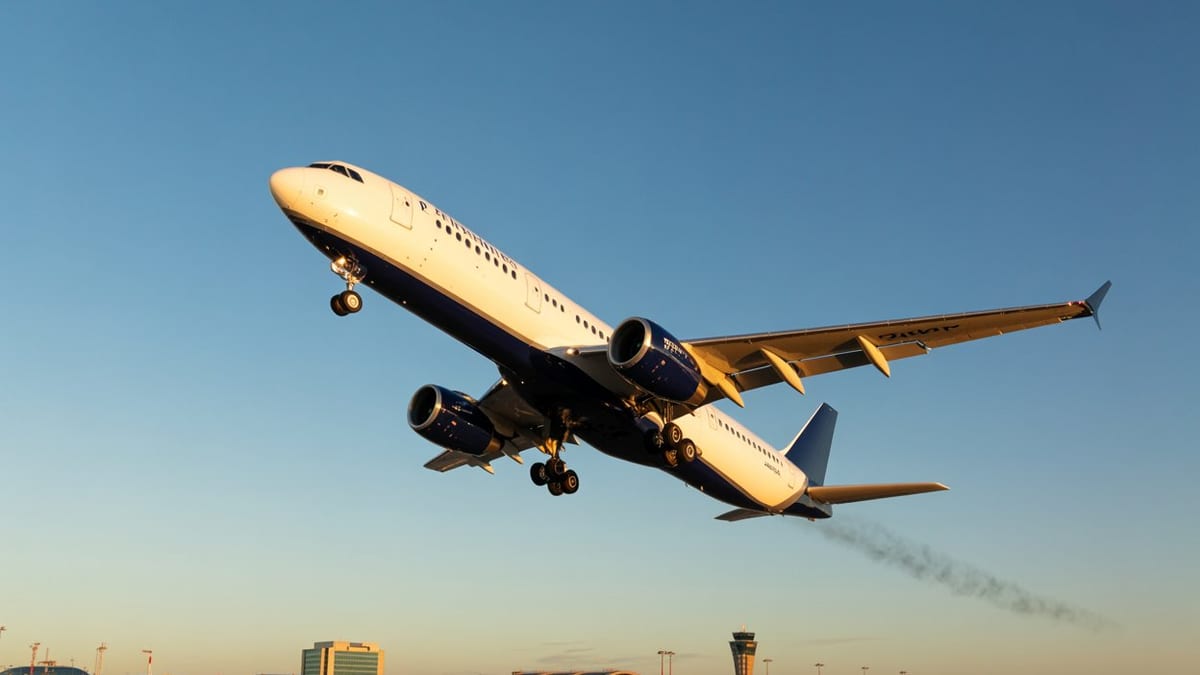
After meeting Lebanese President Joseph Aoun at the White House on July 21, 2026, Trump announced that he was directing his administration to allow all U.S. airlines to operate direct flights to Lebanon so that Americans could “easily visit this beautiful land.” The move would reverse a ban on U.S. carrier flights to Lebanon that dates back more than 40 years, reflecting long running concerns over hijackings, terrorism and regional conflict.
Trump’s message framed Lebanon primarily as an underappreciated destination and a partner in need of support, praising Aoun for what he described as efforts to transform the country. Publicly available coverage of the White House meeting indicates that Trump also linked the decision to broader U.S. backing for reconstruction and stability following months of intense fighting between Israel and Hezbollah.
The announcement has been welcomed in Beirut as a potential economic lifeline. Lebanese leaders have described the prospect of direct links with the United States as a “historic” opening for tourism, business and the Lebanese diaspora, which for decades has relied on connections through European and Gulf hubs to reach the country.
State Department keeps Lebanon at Level 4
Trump’s upbeat description of Lebanon sharply contrasts with the formal guidance issued to U.S. citizens by his own administration. The State Department maintains a Level 4 “Do Not Travel” advisory for Lebanon, the highest warning level in the system, citing risks that include terrorism, armed conflict, civil unrest, kidnapping and limited consular access in an emergency.
Public advisories stress that Americans and other foreign visitors may be viewed as targets of opportunity and warn that the security situation can deteriorate with little notice. The guidance notes recent episodes of cross border strikes, clashes involving Hezbollah and other armed groups, and the presence of unexploded ordnance in some areas outside Beirut.
Earlier this year, the department ordered non emergency U.S. government personnel and family members to depart Lebanon due to the security environment, underscoring how seriously officials view the risks. The advisory also urges any remaining U.S. citizens in the country to keep contingency plans and to depart via commercial options when conditions permit.
As of late July, there has been no indication that the formal travel advisory is being downgraded in tandem with Trump’s push to resume flights, leaving Americans to navigate conflicting signals from within the same government.
Security realities on the ground
Lebanon’s appeal as a travel destination is widely acknowledged, from its Mediterranean coastline and mountain resorts to a reputation for food, nightlife and cultural diversity. In calmer periods, Beirut in particular has drawn visitors from across the region and the global Lebanese diaspora, with tourism providing a key source of hard currency for an economy battered by years of crisis.
Yet the security picture remains fragile. Reports from international organizations and regional media describe periodic exchanges of fire along the border with Israel, political tensions in Beirut and the presence of heavily armed non state actors. The risk of spillover from wider confrontations involving Iran aligned groups continues to shape Western risk assessments.
Infrastructure and basic services also face ongoing strain. Lebanon’s financial collapse, recurring power cuts and pressure on health facilities all factor into travel planning, particularly for visitors with medical needs or limited budgets. Insurance coverage for travel to countries under a Level 4 advisory can be restricted, adding another layer of complexity for would be tourists.
These realities help explain why professional security analysts and foreign ministries have been cautious about easing travel warnings, even as political leaders highlight diplomatic breakthroughs and reconstruction opportunities.
Tourism hopes meet risk management
For Lebanon’s government and tourism sector, direct flights from the United States represent far more than a symbolic political gesture. Easier air links could lower costs for members of the Lebanese American community visiting family, encourage educational and cultural exchanges, and attract a niche segment of adventurous travelers who are familiar with the country and willing to accept higher levels of risk.
Industry observers note, however, that airlines themselves will have to weigh multiple factors before launching any new routes. These include security requirements for Beirut’s airport, overflight permissions, insurance rates and the financial viability of long haul services at a time when Lebanon’s outbound travel market is constrained by economic hardship.
Travel planners and risk consultants are already signaling that any U.S. carrier considering service to Beirut would likely begin with limited frequencies, flexible scheduling and detailed contingency arrangements. Some predict that initial demand would come mainly from dual nationals, diaspora families and business travelers with preexisting ties to the country, rather than casual tourists responding to a presidential social media post.
In the meantime, the gap between Trump’s invitation and the State Department’s warning leaves individual travelers to make highly personal calculations. Many are expected to balance longstanding family or cultural connections with a close reading of official advisories and independent security assessments.
Americans caught between policy signals
The unusual split between the White House narrative and the formal travel advisory system is creating uncertainty for U.S. citizens who have ties to Lebanon or had been considering a trip. Those contemplating travel must reconcile a presidential message that portrays Lebanon as ready to welcome more American visitors with an official risk assessment that treats any such trip as inadvisable.
Legal experts point out that a presidential directive enabling airlines to fly to a destination does not, by itself, change the responsibilities of travelers or the government’s capacity to assist them in a crisis. If problems arise in a country under a Level 4 advisory, consular support may be limited and evacuation options constrained, regardless of how travelers interpreted political statements made in Washington.
For now, publicly available information suggests that any resumption of direct U.S. flights to Lebanon would proceed alongside strong written cautions about the dangers of nonessential travel. That combination is likely to keep Lebanon a niche choice for experienced travelers rather than a mainstream American vacation spot, even as jet bridges and runways prepare for the return of U.S. flagged aircraft.